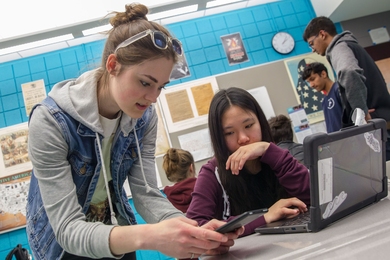
Preparing high schoolers for a tech-driven future
MIT researchers joined Cambridge Rindge and Latin School students for a two-day event focused on future-ready skills.
MIT researchers joined Cambridge Rindge and Latin School students for a two-day event focused on future-ready skills.
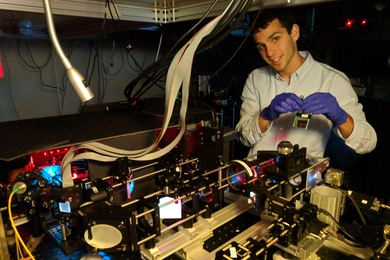
Award funds graduate studies to advance groundbreaking applied science.

Working Group on Curricula and Degrees co-chairs discuss their progress toward establishing credentials and courses for the college.

EECS faculty member is recognized for technical innovation, educational excellence, and efforts to advance women and underrepresented minorities in her field.
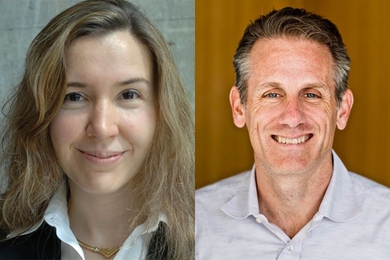
Co-chairs of the Organizational Structure working group discuss their goals and progress.
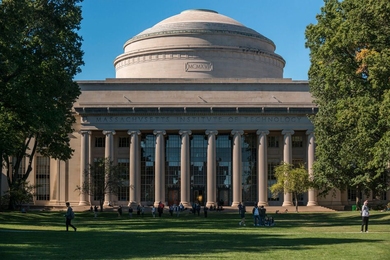
Prestigious honor society announces more than 200 new members.
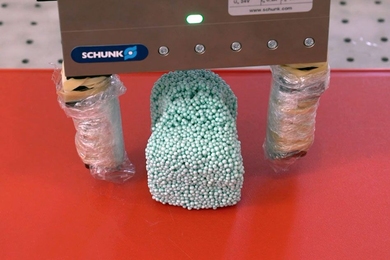
Model improves a robot’s ability to mold materials into shapes and interact with liquids and solid objects.
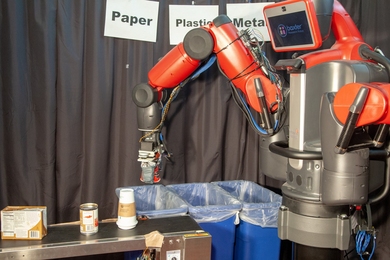
CSAIL’s "RoCycle" system uses in-hand sensors to detect if an object is paper, metal or plastic.

Researchers free up more bandwidth by compressing “objects” within the memory hierarchy.

Award funds graduate studies for talented immigrants and children of immigrants.

Satellite operator's visualization tool could help prevent space collisions.
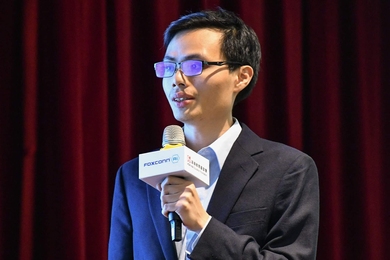
Through MIT Professional Education’s Advanced Study Program, Ernie Ho found the tools — and the community — he needed to realize his vision and launch his career.
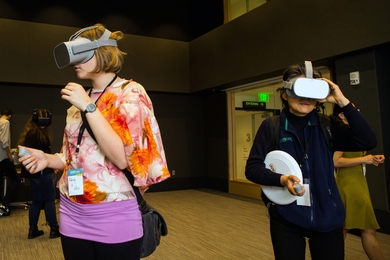
Video game developer NCSOFT joins with MIT.nano to apply the language of gaming to technology research and education.

Counting search queries isn’t easy, but MIT CSAIL’s new LearnedSketch system for “frequency-estimation” aims to help.

New architecture promises to cut in half the energy and physical space required to store and manage user data.