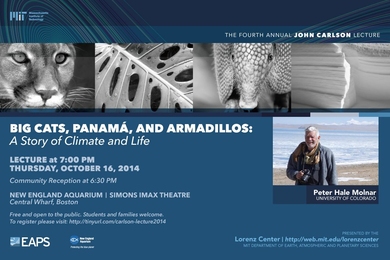
Peter Molnar to speak on big cats, Panama, and armadillos with "A Story of Climate and Life"
Geologist and 2014 Crafoord Prize-winner will deliver the 4th annual John Carlson Lecture.
Geologist and 2014 Crafoord Prize-winner will deliver the 4th annual John Carlson Lecture.
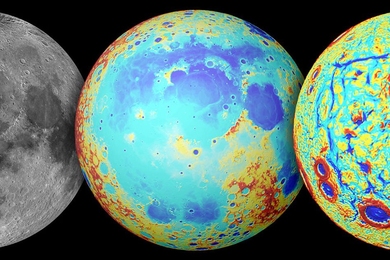
MIT researchers find that a volcanic plume, not an asteroid, likely created the moon’s largest basin.

Some 70 MIT students, researchers, and alumni marched in the largest climate rally in history.
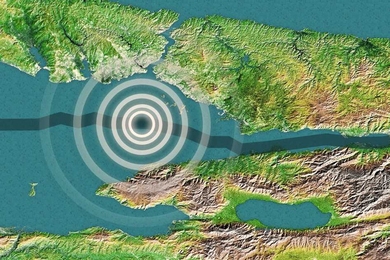
After tracking seismic shifts, researchers say a major quake may occur off the coast of Istanbul.
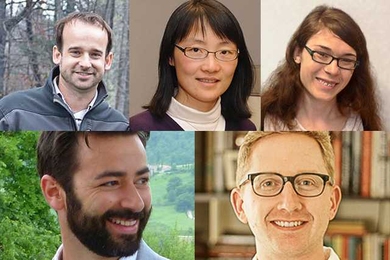
New faculty members will join the departments of Chemistry, Mathematics, and Earth, Atmospheric and Planetary Sciences.
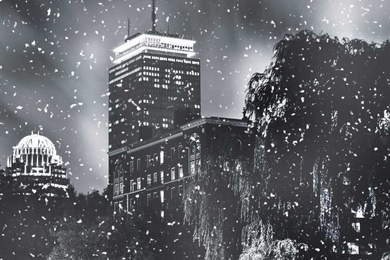
Study finds big snowstorms will still occur in the Northern Hemisphere following global warming.
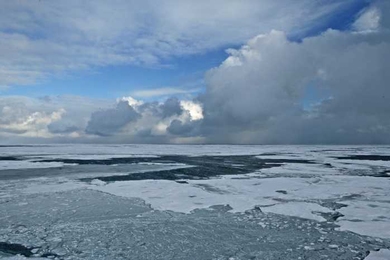
According to MIT researchers, ocean circulation explains why the Arctic feels the effects of global warming much more than the Antarctic.
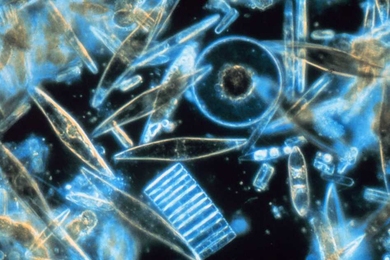
With an infusion of funds from the Simons Foundation, a collaboration between MIT researchers and colleagues will break new ground in the study of marine microbes.
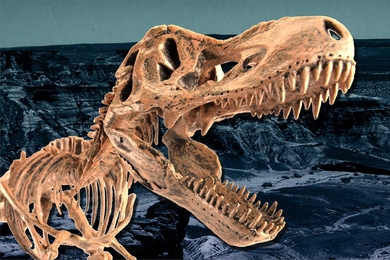
MIT study provides first direct evidence of plants in the Neanderthal diet.
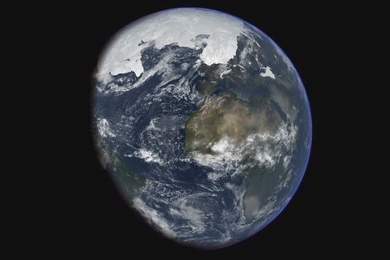
Researchers look to the Southern Ocean for an explanation of the “Last Glacial Maximum.”