Department
Chemical Engineering
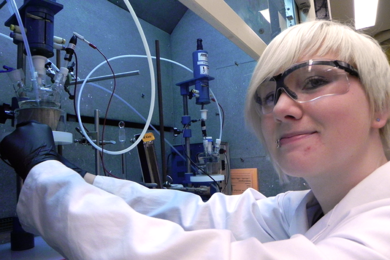
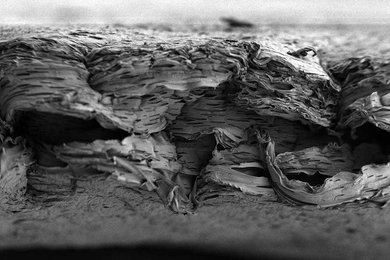
Engineering new bone growth
Coated tissue scaffolds help the body grow new bone to repair injuries or congenital defects.
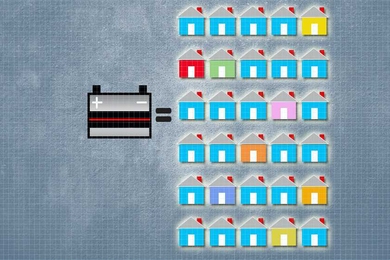
Recycling old batteries into solar cells
Proposal could divert a dangerous waste stream while producing low-cost photovoltaics.
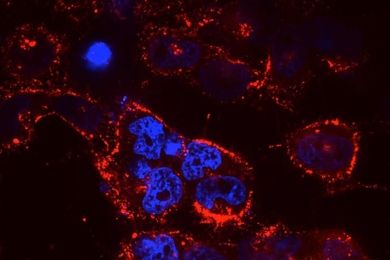
RNA combination therapy for lung cancer offers promise for personalized medicine
Researchers improve therapeutic response in clinically relevant model of lung-tumor growth.
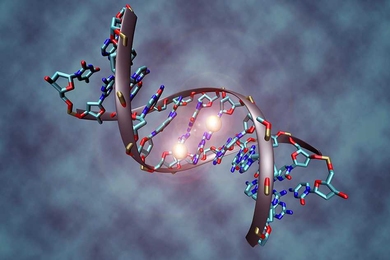
New analysis reveals tumor weaknesses
Identifying epigenetic markers in cancer cells could improve patient treatment.
Advanced thin-film technique could deliver long-lasting medication
Nanoscale, biodegradable drug-delivery method could provide a year or more of steady doses.

Following biological clues to better materials
Brad Olsen creates bioinspired and biofunctional materials for widely diverse applications.
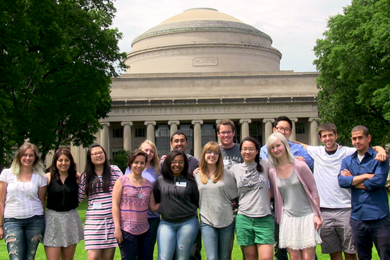
Let the research begin
Materials Processing Center and the Center for Materials Science and Engineering host 14 summer interns for undergraduate research experiences.
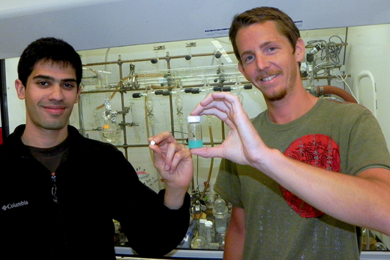
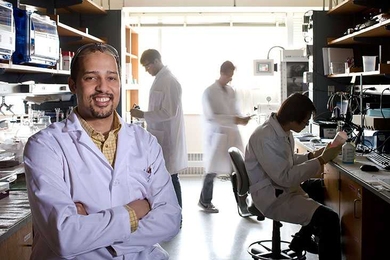
Advancing medicine, layer by layer
Studies by graduate students Stephen Morton and Nisarg Shah show progress toward better cancer treatment and bone replacement.

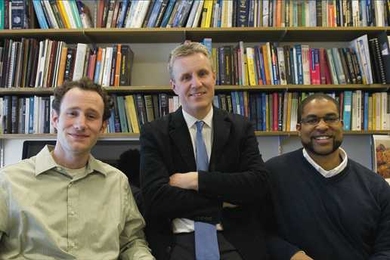
Novel bromine battery: Small-scale demo, large-scale promise
Low-cost, high-capacity, rechargeable battery could one day enable widespread adoption of intermittent energy sources such as solar and wind.
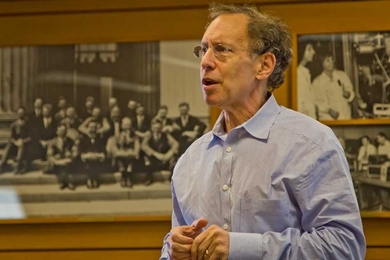
Robert Langer receives Kyoto Prize
Institute Professor cited as "a founder of the field of tissue engineering."
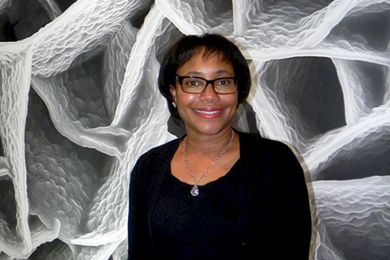
Faculty highlight: Paula Hammond
Engineering tiny paths to cancer treatment, bone regrowth, and wound healing, Paula Hammond serves as an exemplary researcher-educator within the MIT community.
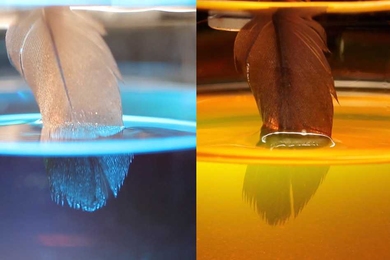
How cormorants emerge dry after deep dives
Study reveals how shape and chemistry let feathers shed water after emerging from great depths.