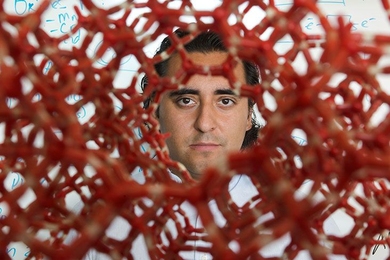
Catalyzing greener products
Yuriy Román knew that to change the future of catalysis he’d have to cross the boundary between chemical engineering and materials science.
Yuriy Román knew that to change the future of catalysis he’d have to cross the boundary between chemical engineering and materials science.
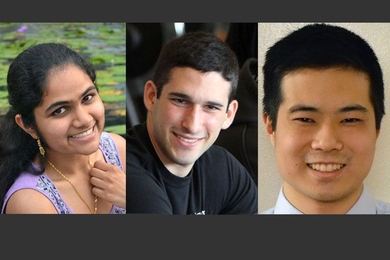
Elliot Akama-Garren ’15, Anisha Gururaj ’15, and Noam Angrist ’13 are among 32 winners nationwide.
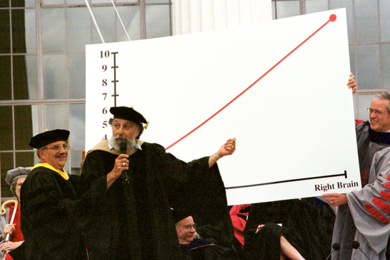
Tom Magliozzi ’58, who died Nov. 3, was a famed co-host of NPR's "Car Talk" with his brother, Ray Magliozzi '73, as well as a professor, consultant, and MIT Commencement speaker.
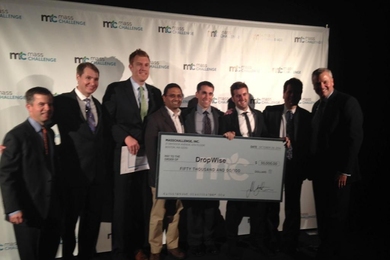
DropWise manufactures hydrophobic coating for power plants that can significantly decrease CO2 emissions.
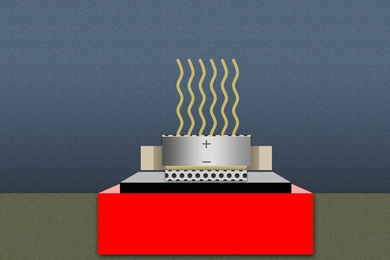
Coating prevents electrical current from damaging the digestive tract after battery ingestion.

In annual competition, 12 MIT-affiliated teams earn grants and prizes to launch their businesses.
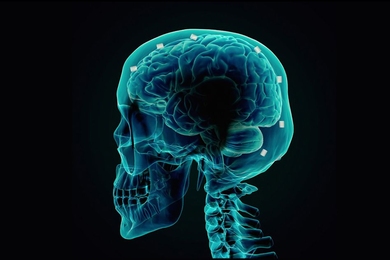
New approach could kill tumor cells in the brain more effectively and avoid side effects.
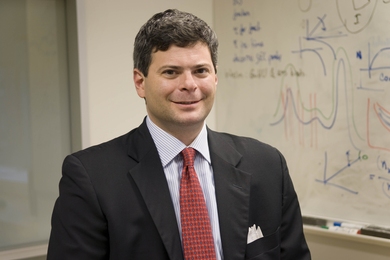
Bernhardt Trout becomes first Raymond F. Baddour (1949) Professor of Chemical Engineering.
First set of grants support projects designed to improve diagnostic accuracy and cost-effectiveness.
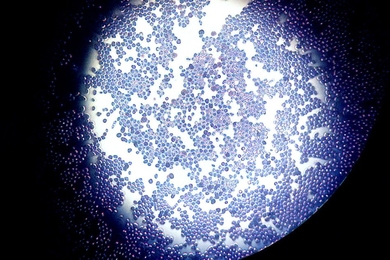
Different environment helps yeast tolerate high levels of ethanol, making them more productive.
Materials scientist Mike Rubner’s collaboration with chemical engineer Robert Cohen yields anti-fog coatings, synthetic "backpacks" for living cells.
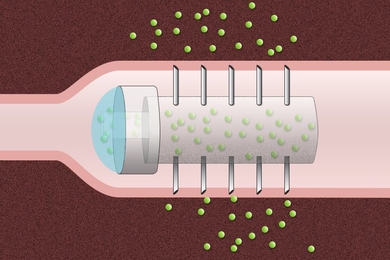
Pill coated with tiny needles can deliver drugs directly into the lining of the digestive tract.
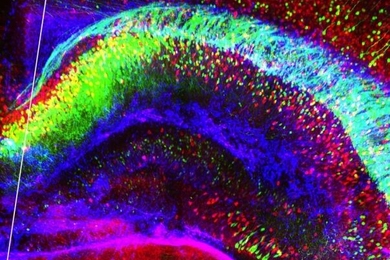
Researchers will advance our understanding of the human mind and discover new ways to treat, prevent, and cure neurological disorders.
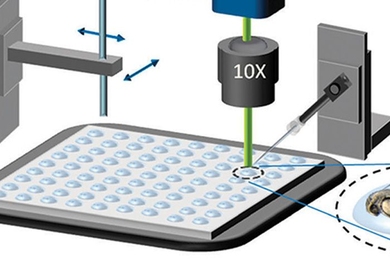
Engineers devise technology for rapidly testing drug-delivery vehicles in zebrafish.