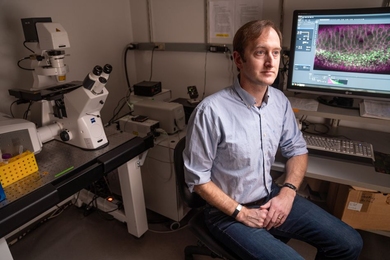
Biologist Adam Martin studies the mechanics of tissue folding
The dynamic process is critical to embryonic development and other cellular phenomena.
The dynamic process is critical to embryonic development and other cellular phenomena.
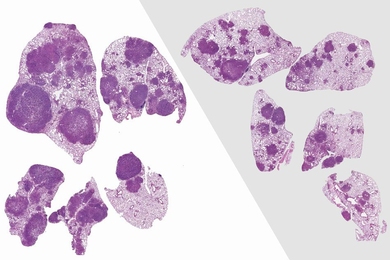
Antibiotics or anti-inflammatory drugs may help combat lung cancer.

Institute Professor honored for discovering Prochlorococcus, the most abundant photosynthesizing organism on Earth.
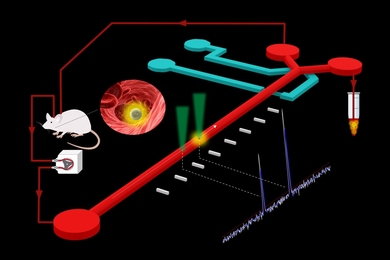
New platform enables longitudinal studies of circulating tumor cells in mouse models of cancer.
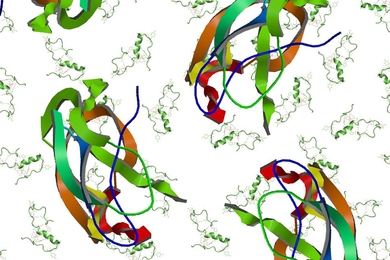
Technique could yield insights into complex proteins involved in Alzheimer’s and other diseases.
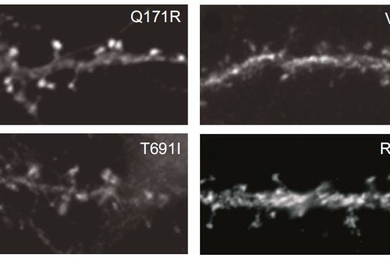
Findings could help inform new therapies, improve diagnosis.
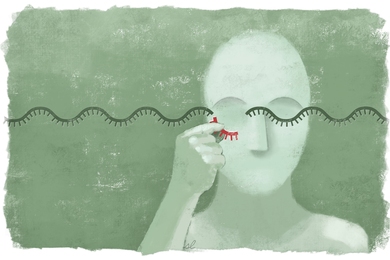
Whitehead Institute researchers uncover a group of introns in yeast that possess surprising stability and function.

Five winners are recognized for their outstanding contributions to colleagues, the school, and the Institute.
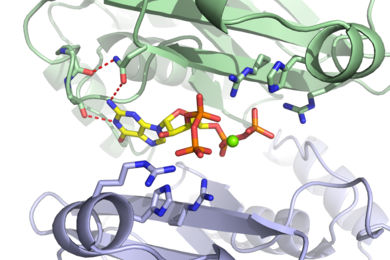
Researchers develop a method to investigate how bacteria respond to starvation and to identify which proteins bind to the “magic spot” — ppGpp.
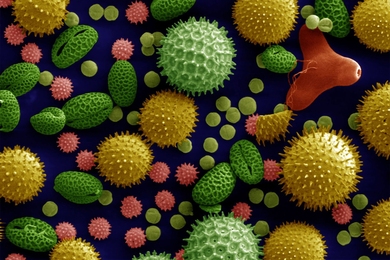
Whitehead Institute and MIT researchers uncover the detailed molecular structure of the sporopollenin polymer, an inert material key for the emergence of land plants.
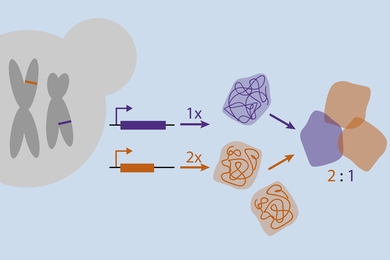
Researchers refine a method to quantify protein production, show that the precision with which bacteria and eukaryotes tune their gene expression is remarkably similar.

Radha Mastandrea, Katie O’Nell, Anna Sappington, Kyle Swanson, and Crystal Winston will begin graduate studies in the UK next fall.
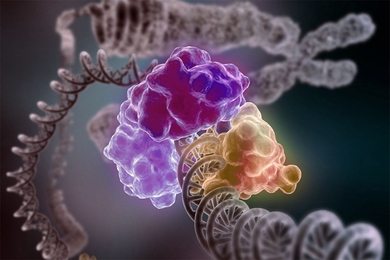
A new study linking RNA processing to DNA repair may open new avenues to cancer therapy.

Startup PlateJoy sends users personalized meal plans to help them achieve health goals.

Study reveals the role of the activation domain, a part of transcription factors previously shrouded in mystery.