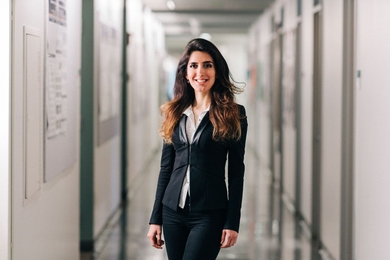
At MIT, a culture of innovation "never gets old"
With support she received at the Institute, Leila Pirhaji wants to bring computational systems biology to the marketplace.
With support she received at the Institute, Leila Pirhaji wants to bring computational systems biology to the marketplace.
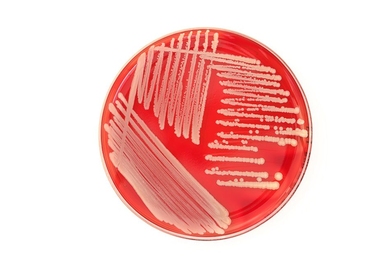
Scientists program C2c2, discovered in bacteria as a viral defense mechanism, to manipulate cellular RNA.

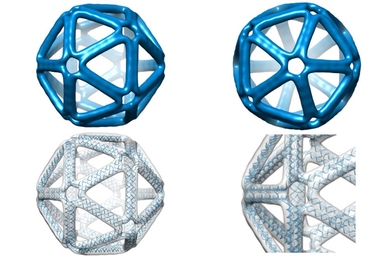
Like 3-D printing did for larger objects, method makes it easy to build nanoparticles out of DNA.
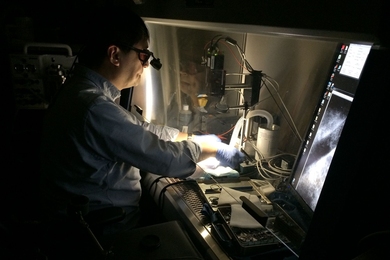
Mechanism developed at MIT and Massachusetts General Hospital shows promising results for improved ovarian cancer detection and removal.
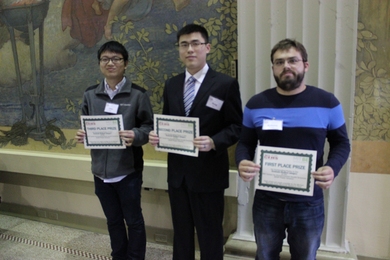
Annual poster session showcases recent work on biological effects of exposure to environmental agents.
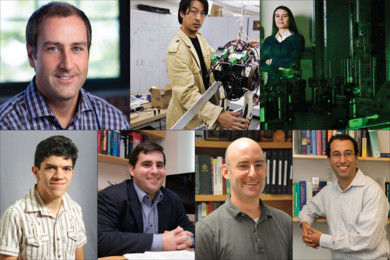

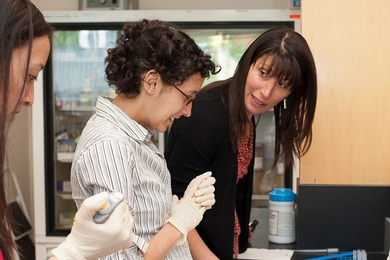
New program provides funding for three projects working to improve STEM education.
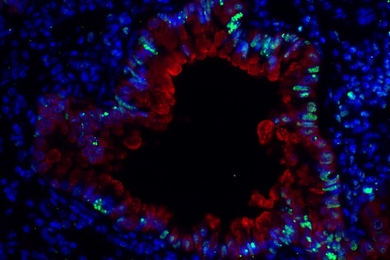

Awards fund graduate studies for immigrants and children of immigrants.
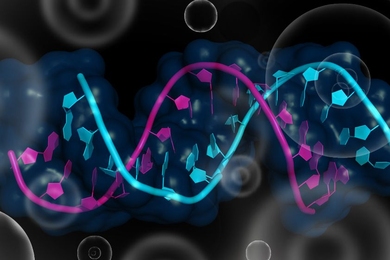
Modular, programmable proteins can be used to track or manipulate gene expression.

Katharina Ribbeck and Jesse Thaler named recipients of the Harold E. Edgerton Award.

Award will support the engineering of safe, frequently consumed bacteria to detect and kill dangerous bacteria such as those causing drug-resistant infections.
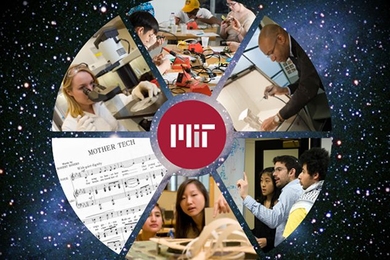
Beyond 2016: MIT’s Frontiers of the Future event offers a playful introduction to research at MIT.