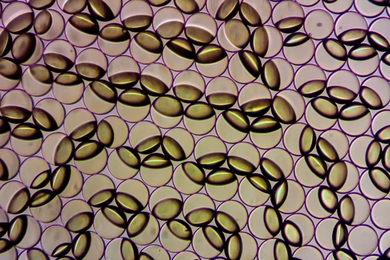
MIT spinout seeks to transform food safety testing
An affordable, easy-to-use handheld sensor, soon to enter the market, can indicate the presence of bacterial contaminants in food in seconds.
An affordable, easy-to-use handheld sensor, soon to enter the market, can indicate the presence of bacterial contaminants in food in seconds.
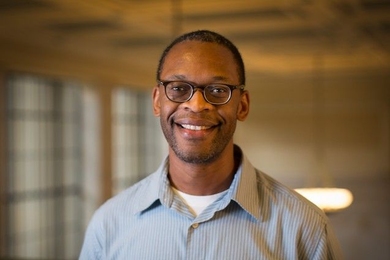
Niles, an associate professor of biological engineering and infectious disease expert, succeeds John M. Essigmann.
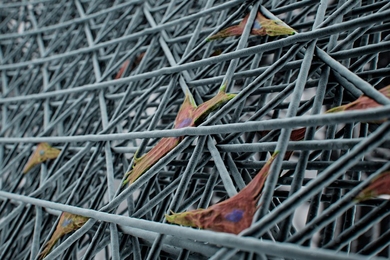
System could provide fine-scale meshes for growing highly uniform cultures of cells with desired properties.
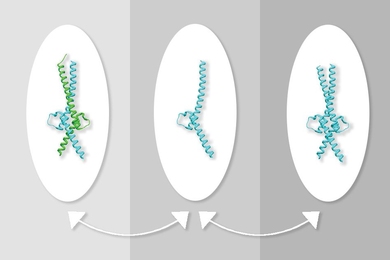
Study suggests an alternative way to treat tumors that are dependent on the cancer-promoting Myc protein.
Graduate engineering program is No. 1 in the nation; MIT Sloan is No. 3.

Professor of biology Ernest Fraenkel and visiting scientist Judah Cohen win the Sub-Seasonal Climate Forecast Rodeo competition.
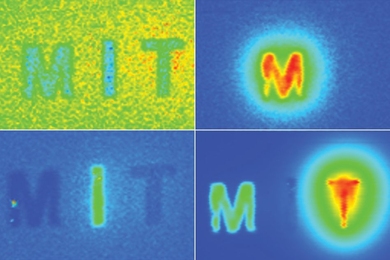
Near-infrared technology pinpoints fluorescent probes deep within living tissue; may be used to detect cancer earlier.
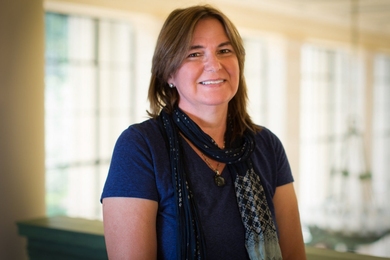
Biomedical engineering and energy expert to succeed Doug Lauffenburger; with her appointment, half of MIT engineering departments will be headed by women.
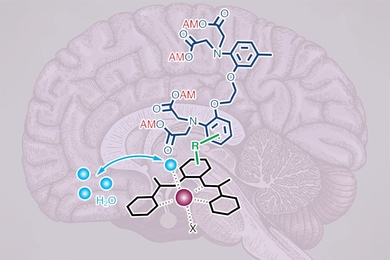
Noninvasive measurements of calcium could reveal neurons’ roles in different types of behavior.
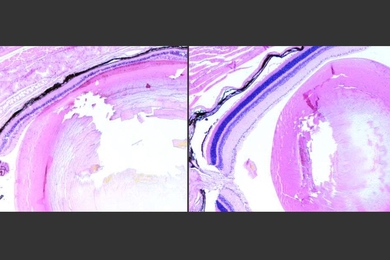
Overactive repair system promotes cell death following DNA damage by certain toxins, study shows.
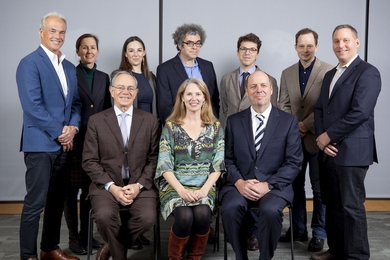
The prestigious awards are supporting five innovative projects that challenge established norms and have the potential to be world-changing.

Technique sheds light on cells’ health and development; may be useful for precision medicine.
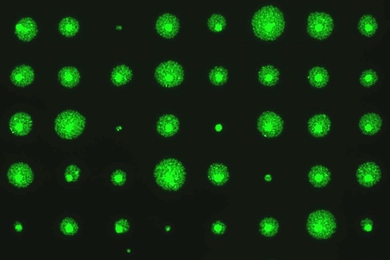
New test rapidly evaluates the effect of drugs and potentially toxic compounds on cells.

Undergraduate researchers discussed their projects at a well-attended poster session.
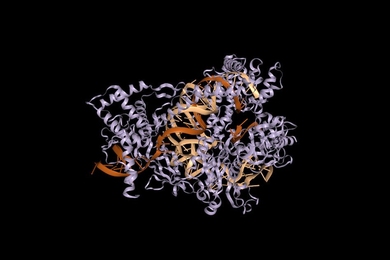
CRISPR team harnesses new Cas12b enzyme for use in eukaryotic cells, adding to the CRISPR toolbox.