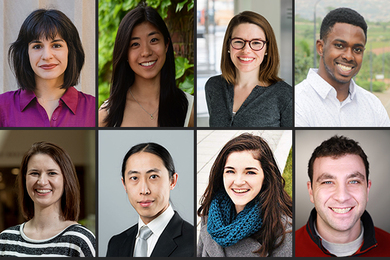
A legacy of curiosity in the name of Hugh Hampton Young
Eight 2020 graduate fellows pursue diverse paths.
Eight 2020 graduate fellows pursue diverse paths.
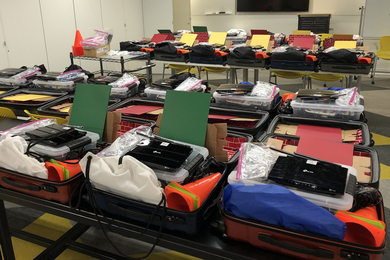
Students from across the nation collaborate online during a four-week, hands-on STEM experience.
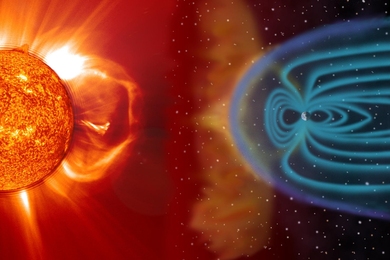
National Science Foundation awards proposal for space weather modeling.

On the ground, windy conditions strengthen these electrical flashes, but new experiments tell a different story for flying objects.
MIT Task Force on the Work of the Future examines job changes in the AV transition and how training can help workers move into careers that support mobility systems.
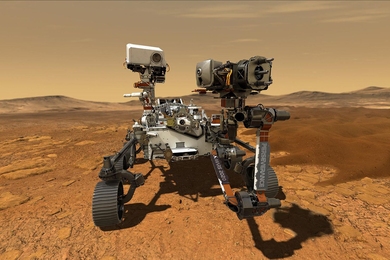
Led by MIT researchers, one of the experiments aboard the next mission to the Red Planet aims to generate oxygen from Martian air.
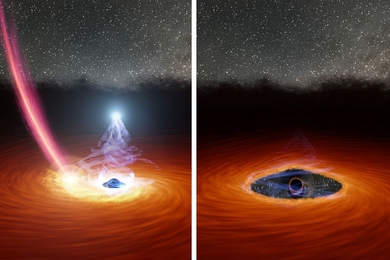
A colliding star may have triggered the drastic transformation.
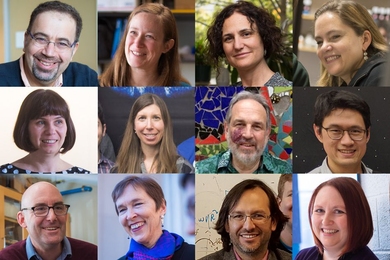
Honor recognizes faculty mentors who devote true attention to students’ well-being.
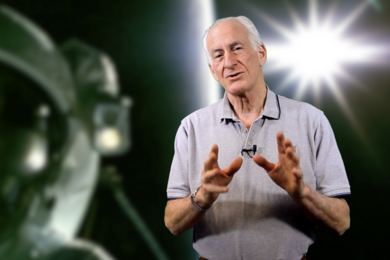
Whether seeking a career change or rediscovering intellectual pursuits, learners worldwide turn to MITx courses.
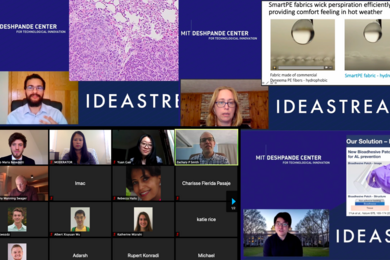
From machine learning to devices to Covid-19 testing, Deshpande Center projects aim to make a positive impact on the world.
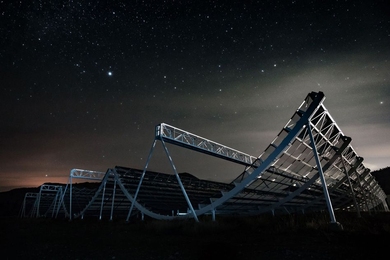
Signal from 500 million light years away is the first periodic pattern of radio bursts detected.
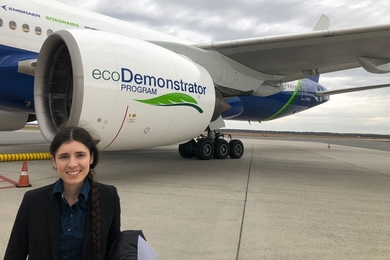
Jacqueline Thomas PhD ’20 recounts her final academic year at MIT, from once-in-a-lifetime field work to a virtual thesis defense.

Ranked at the top for the ninth straight year, the Institute also places first in 12 subject areas.
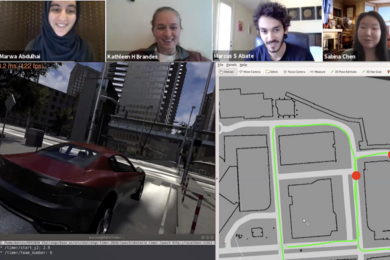
Teaching assistants in Robotics: Science and Systems pulled out all the stops to help engineering students race across the finish line this spring.
MIT Task Force on the Work of the Future responds to rapid changes brought by the pandemic.