The MIT-Japan Program at the Center for International Studies (CIS) has received a grant for the MIT Japan 3.11 Initiative from The Japan Foundation's Center for Global Partnership.
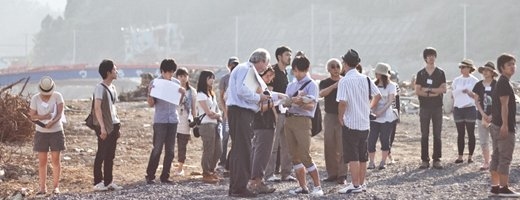
The Initiative is MIT's response to the devastating March 2011 earthquakes and tsunami in the Tohoku region of Japan. The $69,000, one-year grant will be used for planning costs connected with the creation of a symposium and a community center in Minami Sanriku, Japan, a village virtually destroyed during last year's disaster.
This multi-use interim town center will be planned in conjunction with the residents of Minami Sanriku's largest temporary housing site. The center will provide a vital gathering space for this displaced community, offer a wide range of services to the village, and help residents return to their daily routines and draw strength from each other during the rebuilding process.
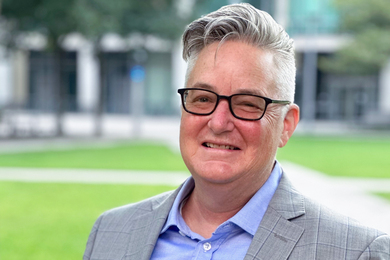
Richard Samuels — MIT-Japan Program director, Ford International Professor of Political Science, and CIS director — expressed his enthusiasm for the opportunity to bring political scientists, architects and planners together in this project.
MIT is also creating a university curriculum as part of a wider effort to study and promote disaster-resilient town planning, design and reconstruction.
Shun Kanda, Senior Lecturer, MIT School of Architecture + Planning, discusses the Japan 3.11 project.
The Initiative is MIT's response to the devastating March 2011 earthquakes and tsunami in the Tohoku region of Japan. The $69,000, one-year grant will be used for planning costs connected with the creation of a symposium and a community center in Minami Sanriku, Japan, a village virtually destroyed during last year's disaster.
This multi-use interim town center will be planned in conjunction with the residents of Minami Sanriku's largest temporary housing site. The center will provide a vital gathering space for this displaced community, offer a wide range of services to the village, and help residents return to their daily routines and draw strength from each other during the rebuilding process.
Richard Samuels — MIT-Japan Program director, Ford International Professor of Political Science, and CIS director — expressed his enthusiasm for the opportunity to bring political scientists, architects and planners together in this project.
MIT is also creating a university curriculum as part of a wider effort to study and promote disaster-resilient town planning, design and reconstruction.
Shun Kanda, Senior Lecturer, MIT School of Architecture + Planning, discusses the Japan 3.11 project.