Learning to teach, learning to discover
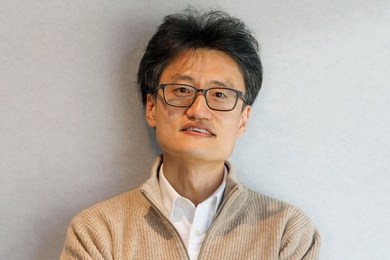
MIT senior Nik Sandu bridges scientific research with a strong commitment to teaching and community.
Countries with developing economies provide at least some public water, but safety may lag because it’s less visible, researchers say.
Twenty-five years ago, MIT opened its curriculum to the world with the launch of OpenCourseWare. MIT Open Learning continues to build on the legacy of that bold decision.
Students in a Department of Urban Studies and Planning course work with leaders from Vinnytsia, Ukraine, exploring innovation ecosystems, infrastructure, and workforce development amid constraints of war.
Expect energy disruptions and economic damage, especially in developing countries, and prepare to build a more resilient, sustainable energy system, says International Energy Agency executive director.
Akorfa Dagadu, an MIT senior in chemical engineering, learns the importance of community-engaged research and innovation through the PKG Center for Social Impact.
Dimitris Bertsimas and Megan Mitchell discuss the motivation behind Universal Learning, and what sets the new MIT Open Learning educational initiative apart.
New AI education program from MIT Open Learning debuts with AI-powered personalization and a free introductory course for learners everywhere.
At the 25th IDEAS Social Innovation Incubator Showcase and Awards, 21 student-led ventures joined 1,200 alumni-led ventures tackling the world’s most pressing problems through social entrepreneurship.
Associate Professor Dwai Banerjee’s new book examines the visionaries who wanted to turn India into a world power at making computers.
Students in a MISTI Global Classroom confronted the challenges of climate change, one farm and co-op visit at a time.
Center for Real Estate student Cherry Tang reflects on an internship in Panama, where building a financial model became a broader lesson in how development, community, and environment intersect in practice.
In “Priority Technologies,” MIT faculty examine key areas of innovation that can drive American prosperity and security — now and in the decades ahead.
Scientists say an exception in the Montreal Protocol for the use of ozone-depleting feedstocks could set the ozone recovery back seven years.
Build for Ukraine 2.0 united students, researchers, and Ukrainian collaborators to prototype solutions shaped by wartime conditions.