
How healthy is the U.S. voting system?
Professor Charles Stewart III explains why the U.S. electoral system is strong and how MIT research is making the voting process even more seamless.
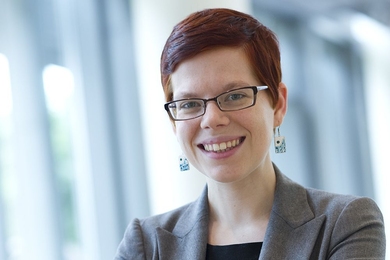
Electing to vote — or not
Assistant Professor Ariel White is looking to understanding how government, policies, and people affect voting behavior.
Analyzing the 2016 election: Insights from 12 MIT scholars
Experts from the School of Humanities, Arts, and Social Sciences weigh in on topics from polling to rhetoric to individual campaign issues.
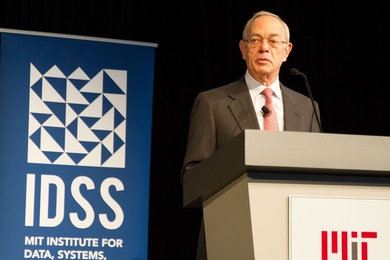
How data can help change the world
At IDSS celebration, speakers explore how data can be brought to bear on global challenges.

Q&A: How Twitter explains the 2016 election
“Electome” project charts the national conversation in unique detail.

Students' web app seeks to simplify, modernize voter registration
A solution for millennials by millennials, votemate takes the frustration out of registering to vote.
Primary factors
Political scientists Charles Stewart III and Devin Caughey weigh in on the 2016 U.S. presidential primaries.
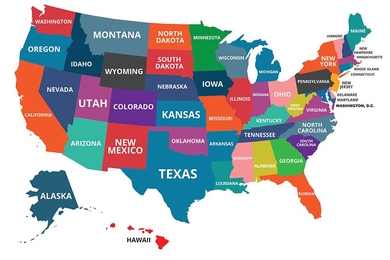
3 Questions: David Autor on global trade and political polarization
Study finds relationship between U.S. job losses due to trade, and political polarization in Congress.

Examining accountability through the lens of local politics
PhD student Justin de Benedictis-Kessner helps explain political behavior at the federal level.
A cleaner ballot box
In Brazil, auditing voter rolls has shrunk the electorate — to the dismay of incumbents.

New insights on political participation in Sub-Sahara Africa
PhD student Leah Rosenzweig's electoral insights shed light on reasons for citizen participation in authoritarian and transitional countries in Sub-Sahara Africa.
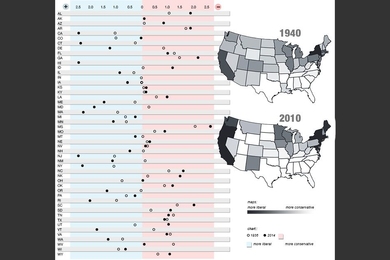
Mapping the history of U.S. state politics
Unique new study shows political orientation of all 50 U.S. states over time.

3 Questions: Jennifer Light on new media and democracy
MIT historian of technology discusses new work examining “digital citizenship.”