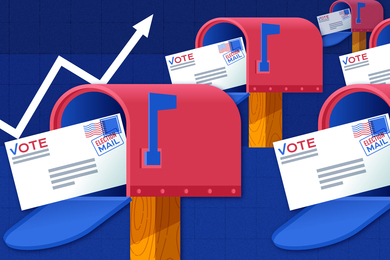
How many votes will be counted after election night?
Study measures the “blue shift” from absentee and provisional ballots, underscores uncertainties of 2020 vote.
Study measures the “blue shift” from absentee and provisional ballots, underscores uncertainties of 2020 vote.
Bolstered by campus partnerships and TurboVote, the student-led group MITvote is working to increase voter turnout.
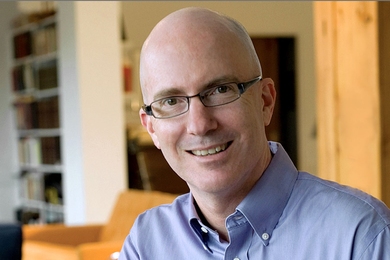
Head of the MIT Election Data and Science Lab discusses the greatest risks, voting by mail, zombies, and asteroids.

MIT cryptography expert and election technology developer explains how to verify an election outcome.
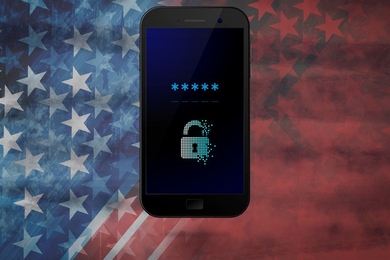
Mobile voting application could allow hackers to alter individual votes and may pose privacy issues for users.

U.S. elections have become more “unstable,” sometimes swinging in the opposite direction from the greater electorate’s preferences.

The political consequence of even short jail terms is disproportionately pushing African-American voters out of the electorate.
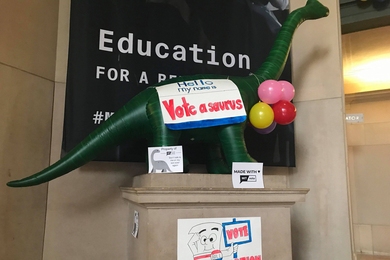
New technologies and campus engagement helped to spur a 26.4 percent increase in voting rates from 2014 to 2018.
!["In my view," says MIT Professor Elizabeth Wood, "the core motivation behind [election] interference is Russia's two-fold belief a) that the most important goal of the Russian state is world power status and b) that such status cannot be achieved without recourse to espionage and manipulation."](/sites/default/files/styles/term_page__news_article/public/images/201910/MIT-SHASS-elizabeth-wood.jpg?itok=eHrV6DI4)
How do we understand Russia’s multi-layered interference in the 2016 elections? A Russia expert and professor of history analyzes Russia’s motives.
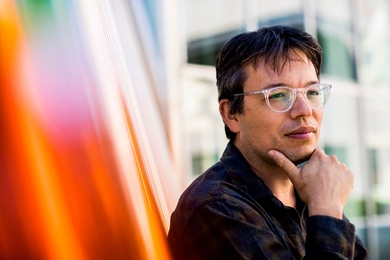
Associate Professor Danny Hidalgo’s work reveals some difficult truths about money, elections, and political influence.
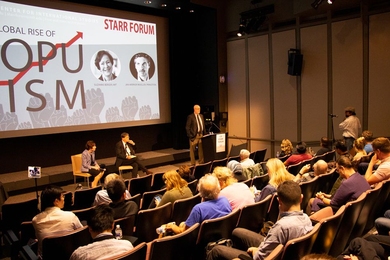
At MIT forum, scholars wrestle with the dynamics of a global political trend.
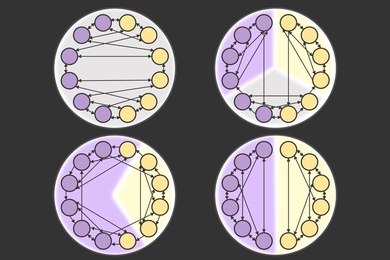
Study analyzes how networks can distort voters’ perceptions and change election results.
Media historian and expert on conservatism considers the end of rational dialog.
MIT study finds partisan news coverage has a bigger impact on viewers without strong media preferences.