
Lincoln Laboratory honored for transfer of security-enhancing technologies
FLC Excellence in Technology Transfer Award recognizes two innovations that have transitioned to commercial use.
FLC Excellence in Technology Transfer Award recognizes two innovations that have transitioned to commercial use.
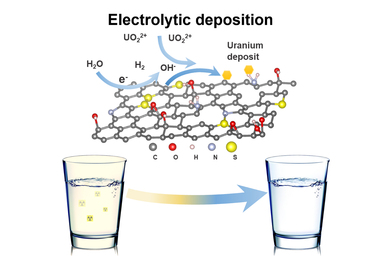
MIT-led research team fashions graphene foam into device that can extract uranium and other heavy metals from tap water.

How 3D-printed models of neuronal axons could accelerate development of new therapies to treat neurodegenerative disorders.
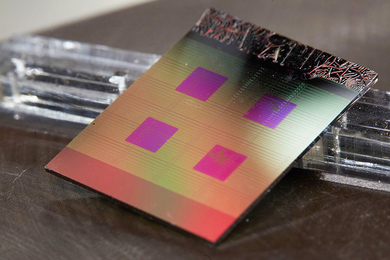
MIT offers first courses on the platform, which aims to serve cutting-edge manufacturing education to more Americans.
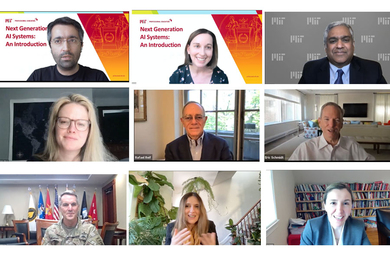
Nearly 300 government and military members participated in a new course designed to explore the next generation of artificial intelligence and related technologies.

Society for Industrial and Applied Mathematics recognizes Kepner, a pivotal member of the team that established Lincoln Laboratory's Supercomputing Center, for his innovative work in computing.
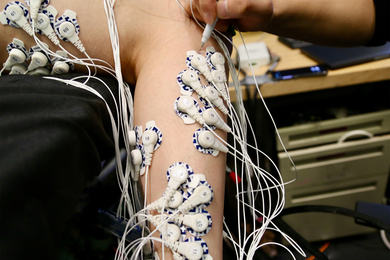
Reconnecting muscle pairs during amputation gives patients more sensory feedback from the limb.
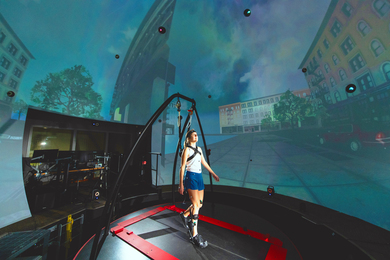
Will focus on responding to disasters and humanitarian crises, defending against biothreats, addressing climate change, and improving human health and performance.
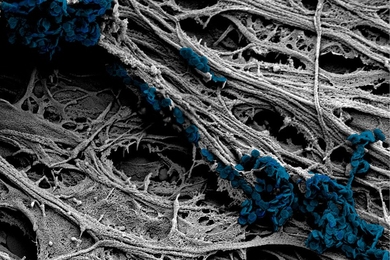
Magnetic nanodiscs can be activated by an external magnetic field, providing a research tool for studying neural responses.
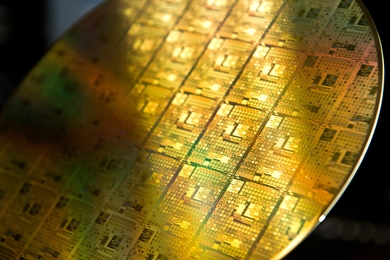
Fabrication technique will enable SkyWater Technology to manufacture a range of electronics that can withstand harsh radiation environments.
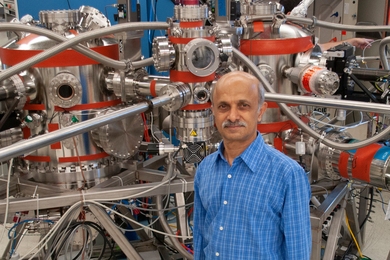
Jagadeesh Moodera and colleagues to investigate interface-driven phenomena in quantum materials in the quest for energy-efficient quantum electronics.
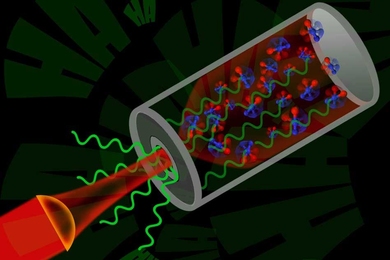
Device may enable “T-ray vision” and better wireless communication.

Facility modernization plan includes a new compound semiconductor laboratory and microsystem integration facility that will enable modern innovation.

NAVAIR is upgrading its acquisition capabilities using an MIT online course in model-based systems engineering.
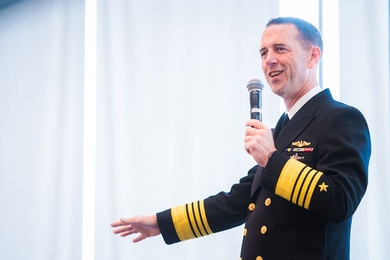
Chief of Naval Operations Admiral John Richardson SM ’89, EE ’89, ENG ’89 poses global challenges to academe.