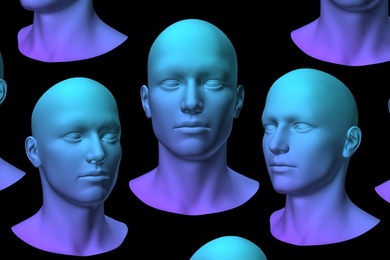
How the brain recognizes faces
Machine-learning system spontaneously reproduces aspects of human neurology.
Machine-learning system spontaneously reproduces aspects of human neurology.
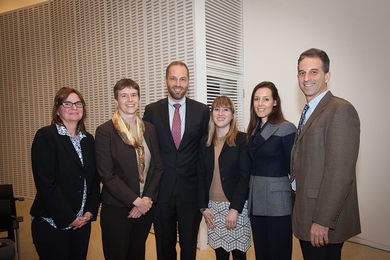
Four proposals from six MIT faculty members to receive Professor Amar G. Bose Research Grants.

Upgrades make detectors more sensitive to gravitational waves.

Study finds accounting for year-to-year variability enables more accurate projections of climate change and its impacts.

Inspired by writing his novel, "Nanjing Never Cries," Cheng hopes scholarship helps MIT students work toward a better world.
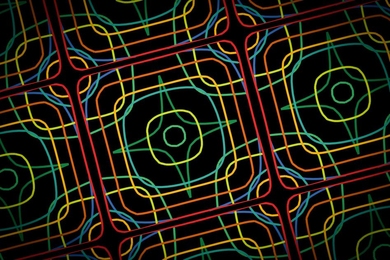
Exotic materials called photonic crystals reveal their internal characteristics with new method.
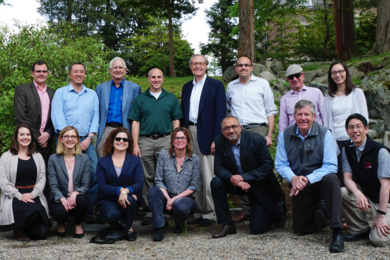
Two new initiatives take an in-depth look at learning.

Scientists find huge reduction in African dust plume led to stronger Saharan monsoons 11,000 years ago.
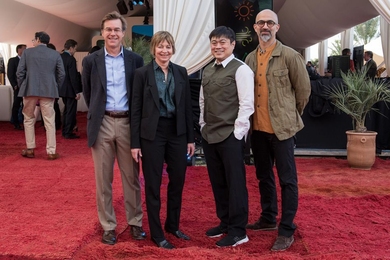
At UN Climate Change Conference, MIT researchers share insights on implementing climate commitments.

Biologists link levels of Mena protein to breast cancer cells’ sensitivity to chemotherapy.
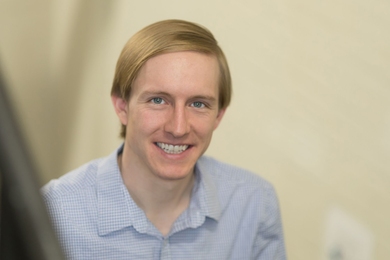
Nuclear Science and Engineering Stanton Fellow Brian Henderson brings his physics experience to bear on nuclear weapons disarmament policies.

Study finds decreasing activity in the eye can help overcome visual impairment.

Why is it so hard for human beings to address climate change? What can motivate effective action?
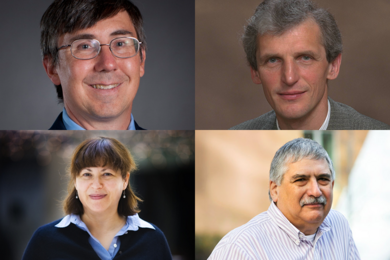
Green, Ketterle, Nedivi, and Shrobe are among those recognized for their efforts toward advancing science.
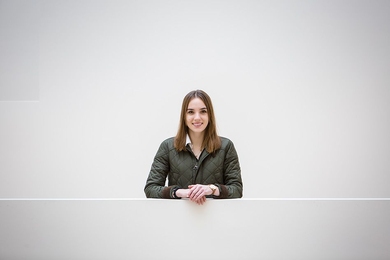
MIT senior studies cognitive science and medicine from the vantage point of a person with dyslexia.