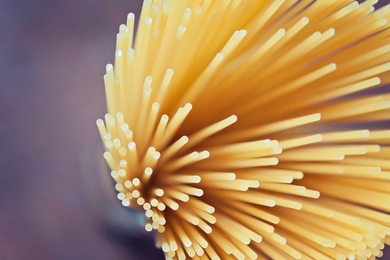
MIT mathematicians solve age-old spaghetti mystery
It’s nearly impossible to break a dry spaghetti noodle into only two pieces. A new MIT study shows how and why it can be done.
It’s nearly impossible to break a dry spaghetti noodle into only two pieces. A new MIT study shows how and why it can be done.
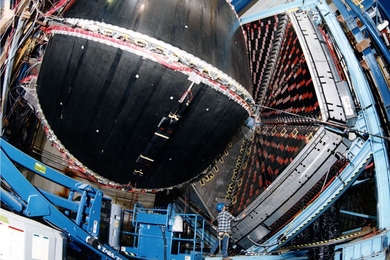
The positively charged particles may have an outsize influence on the properties of neutron stars and other neutron-rich objects.
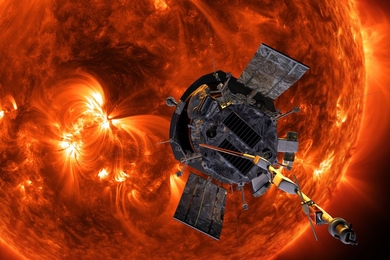
MIT’s John Belcher discusses the launch of the Parker Solar Probe, which will fly directly into the sun’s atmosphere.
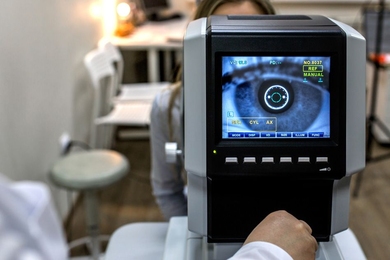
Unexpected findings show that the body’s own immune system destroys retinal cells.
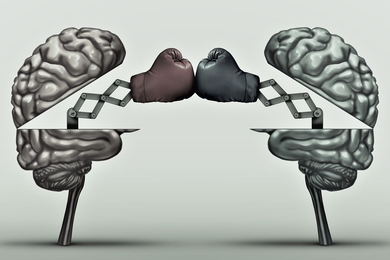
Scientists present dueling theories in the high-stakes quest to understand how we hold and juggle multiple pieces of information in mind.

Stimulating the brain’s caudate nucleus generates a negative outlook that clouds decision-making.
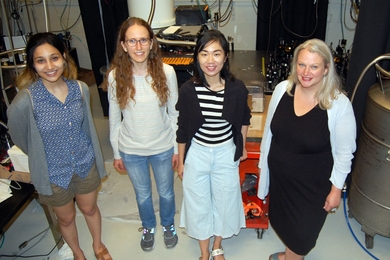
Four students are first beneficiaries of grant program established by Assistant Professor Lindley Winslow with support from the Heising-Simons Foundation.
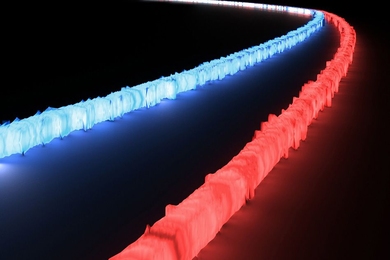
Silicon-based system offers smaller, cheaper alternative to other “broadband” filters; could improve a variety of photonic devices.
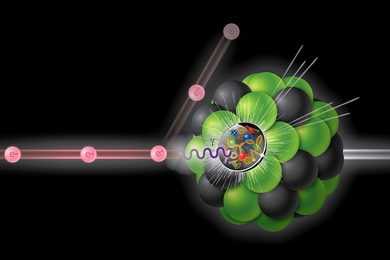
Proposal for powerful particle collider gets National Academies’ go-ahead.
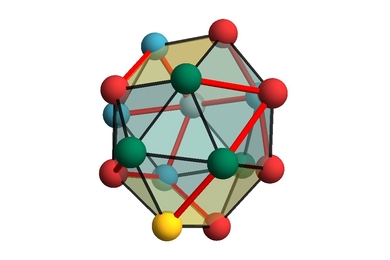
Joint research from MIT and Princeton shows the mathematics behind biological cell positioning.
The McKnight technology award supports scientists using novel and creative approaches to understanding brain function.

Expert in landscape evolution will build upon the work of outgoing associate department head Tim Grove, supporting the EAPS education mission.

Six brain regions participate in a more blended way than has been appreciated.
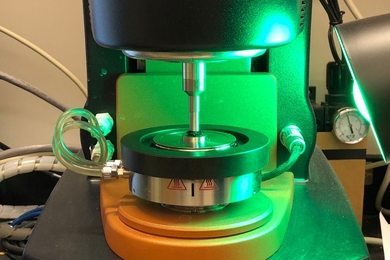
New material reversibly changes its structure in response to different wavelengths of light.