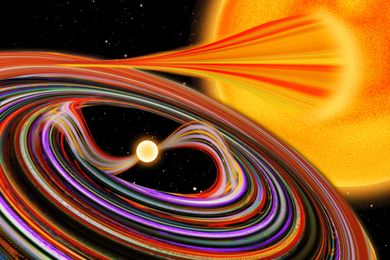
Scientists get a first look at the innermost region of a white dwarf system
X-ray observations reveal surprising features of the dying star’s most energetic environment.
X-ray observations reveal surprising features of the dying star’s most energetic environment.
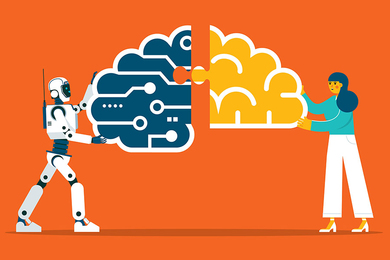
MIT neuroscientists find a surprising parallel in the ways humans and new AI models solve complex problems.
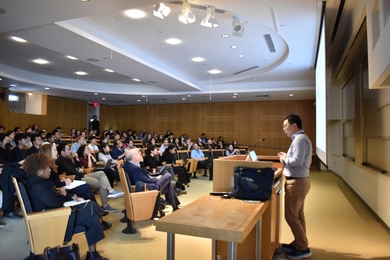
Seven speakers from around the country convened at MIT to describe some of the latest research on the neural mechanisms that we need to survive.
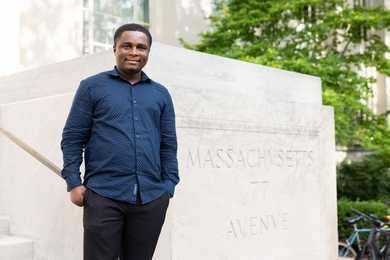
Quantum chemist and School of Science Dean’s Postdoctoral Fellow Ernest Opoku is working on computational methods to study how electrons behave.
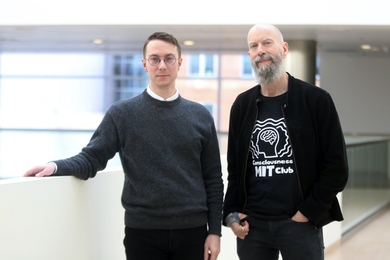
Through the MIT Consciousness Club, professors Matthias Michel and Earl Miller are exploring how neurological activity gives rise to human experience.
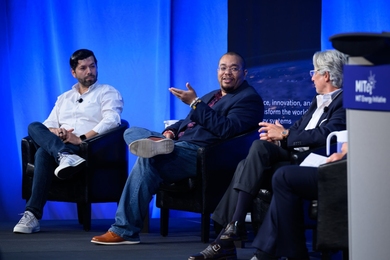
Industry leaders agree collaboration is key to advancing critical technologies.
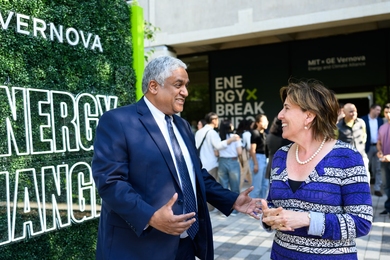
Five-year collaboration between MIT and GE Vernova aims to accelerate the energy transition and scale new innovations.
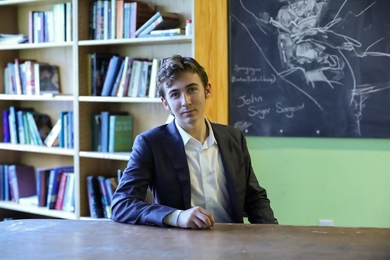
Jack Carson, an MIT second-year undergraduate and EECS major, is the recent winner of the Elie Wiesel Prize in Ethics.

Five volunteers received 40Hz stimulation for around two years after an early-stage clinical study. Those with late-onset Alzheimer’s performed better on assessments than Alzheimer’s patients outside the trial.
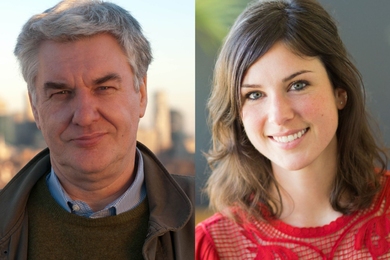
Faculty recognized for the exceptional professional and personal guidance they provide postdocs.
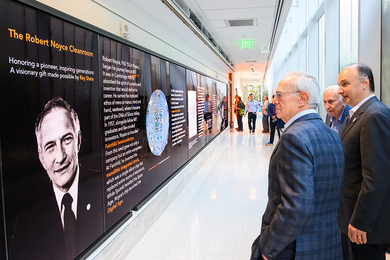
MIT.nano cleanroom complex named after Robert Noyce PhD ’53 at the 2025 Nano Summit.
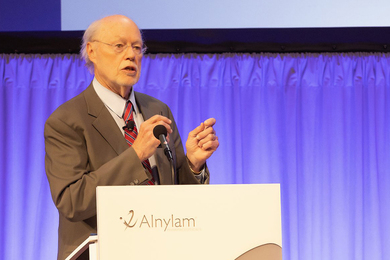
Alnylam Pharmaceuticals establishes named fund in honor of its co-founder, an MIT Institute Professor and Nobel laureate.

The MIT Quantum Initiative is taking shape, leveraging quantum breakthroughs to drive the future of scientific and technological progress.
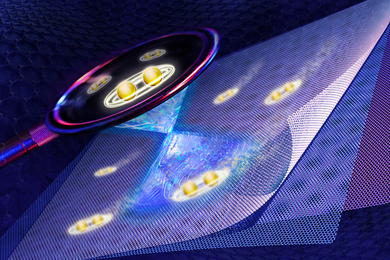
The findings could open a route to new forms of higher-temperature superconductors.
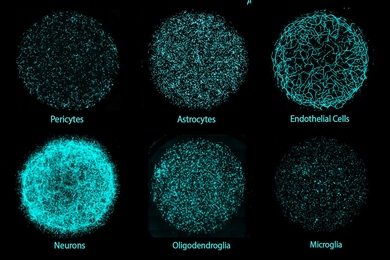
Cultured from induced pluripotent stem cells, “miBrains” integrate all major brain cell types and model brain structures, cellular interactions, activity, and pathological features.