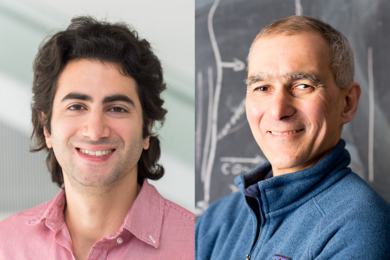
Two from MIT honored at World Technology Awards
PhD candidate Maher Damak and Professor Moungi Bawendi recognized for advances in engineering and chemistry.
PhD candidate Maher Damak and Professor Moungi Bawendi recognized for advances in engineering and chemistry.

System that automatically handles database caching in server farms increases speed and reliability.
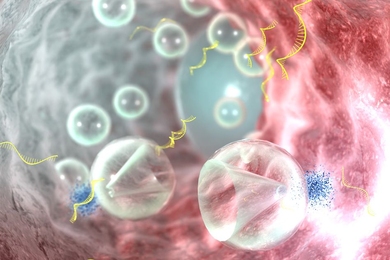
Technique enables rapid delivery of RNA to treat colon inflammation.
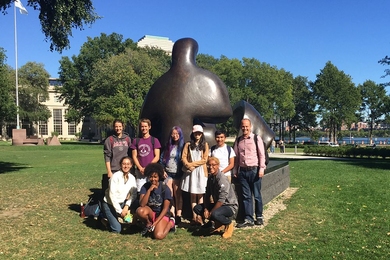
Freshman seminar inspires students to see the world with fresh eyes.
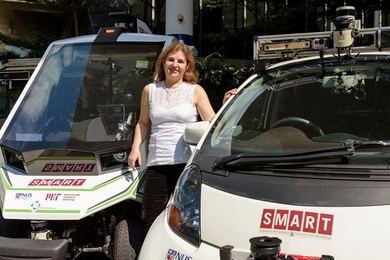
MIT Professor Daniela Rus combines automation and mobility to create a smarter world.

System finds and links related data scattered across digital files, for easy querying and filtering.
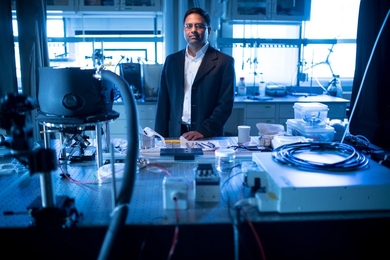
MIT engineer’s research on surfaces is improving everything from power plants to ketchup bottles.
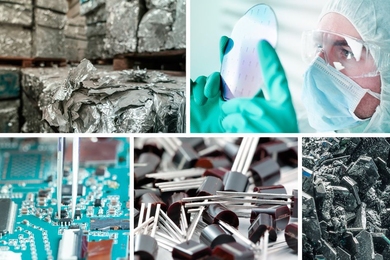
Researchers find no evidence of an overall reduction in the world’s consumption of materials.
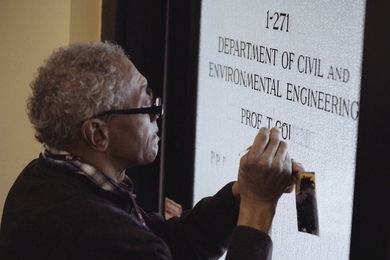
Meet Glenn Silva, the man who's been hand-painting names and numbers on MIT doors for over two decades.
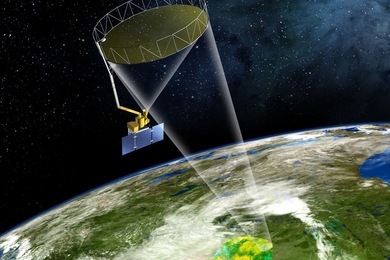
First year of data from SMAP satellite provides new insights for weather, agriculture, and climate.
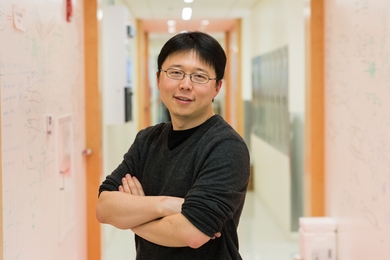
CRISPR pioneer named to inaugural chair created by Patricia and James Poitras '63, founders of MIT’s Poitras Center for Affective Disorders Research.
Professor James Fujimoto, Eric Swanson SM '84, and collaborators lauded for optical coherence tomography.
![“The whole goal of my life is to fix all the people problems. I sincerely think that the biggest problems we have are how we deal with each other, and how we treat each other. [We need to be] promoting empathy and understanding, and technology is an enormous power to influence that in a good way,” senior Garrett Parrish says.](/sites/default/files/styles/term_page__news_article/public/images/201701/A1-MIT-Garrett-Parrish-02.jpg?itok=Dny0_GHc)
Senior Garrett Parrish combines art and technology, with dramatic effects.