
Helping policy and technology work together
Engineering grad student Keertan Kini is working to strengthen the intersection of policy and technology.
Engineering grad student Keertan Kini is working to strengthen the intersection of policy and technology.
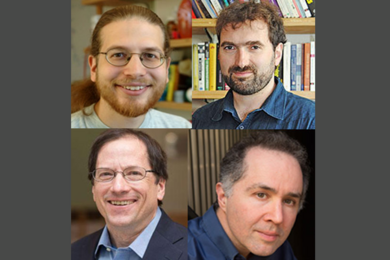
Association for Computer Machinery cites Erik Demaine, Fredo Durand, William Freeman, and Daniel Jackson for having "provided key knowledge" to computing.
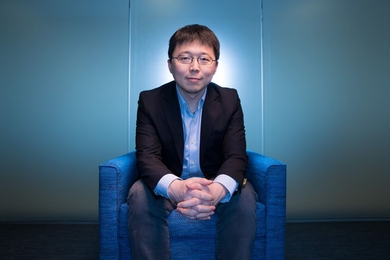
MIT and Broad Institute scientist shares recognition with four other scientists for developing CRISPR gene-editing systems.
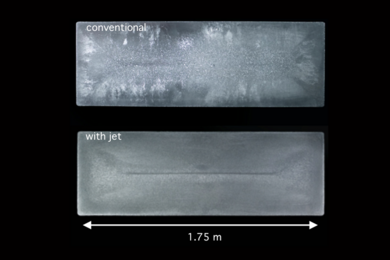
MIT researchers demonstrate that strong churning during hot liquid state can produce stronger, more uniformly structured large aluminum casts.
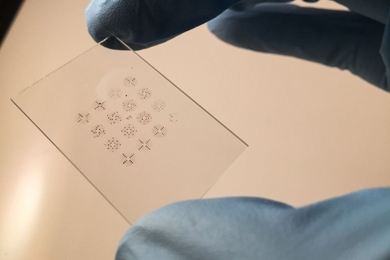
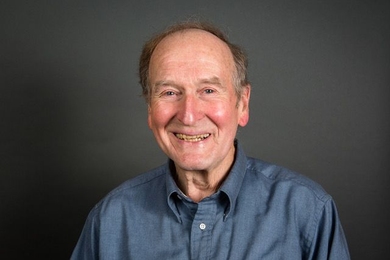
Professor emeritus of electrical engineering recognized for contributions to field of nanofabrication.
![“…[I]f humans behave similarly to mice in response to this treatment, I would say the potential is just enormous, because it’s so noninvasive, and it’s so accessible,” says Li-Huei Tsai, the Picower Professor of Neuroscience, when describing a new treatment for Alzheimer’s disease.](/sites/default/files/styles/term_page__news_article/public/images/201612/MIT-li-huei-tsai.jpg?itok=eVlLbwfP)
Noninvasive technique reduces beta amyloid plaques in mouse models of Alzheimer’s disease.
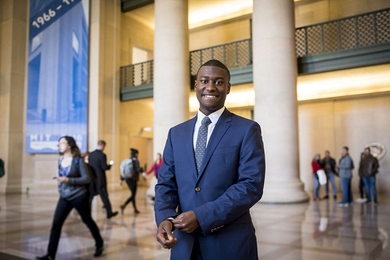
Senior Rasheed Auguste is fueled by passions for science, policy, and creating a more inclusive MIT.
Cloud-based platform assists in managing, sharing data facilitates research.

System correlates recorded speech with images, could lead to fully automated speech recognition.
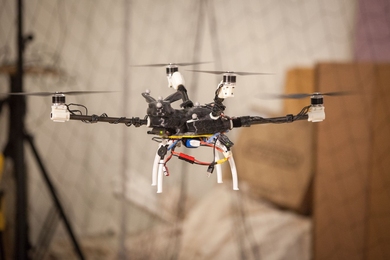
CSAIL system lets users design and fabricate drones with a wide range of shapes and structures.
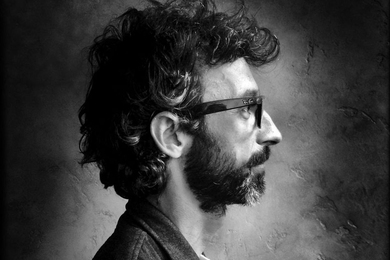
Visiting Artist Karim Ben Khelifa creates immersive experiences using virtual and augmented reality to humanize soldiers in global conflicts.
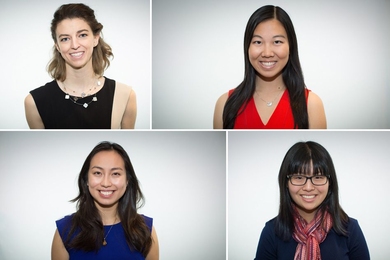
Alix de Monts, Lisa Ho, Anita Liu, and Melody Liu will study for one year at Tsinghua University in China.
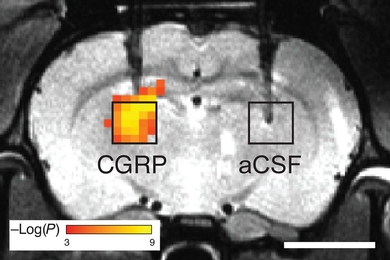
New probe induces blood flow changes that can be seen by MRI.

Machine-learning system doesn’t require costly hand-annotated data.