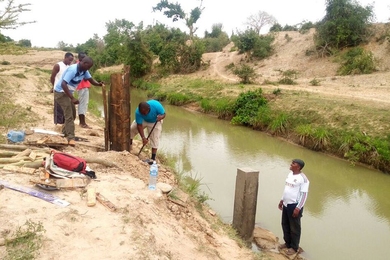
Designing water infrastructure for climate uncertainty
A new method identifies opportunities to learn and adapt to changing temperature and precipitation trends.
A new method identifies opportunities to learn and adapt to changing temperature and precipitation trends.
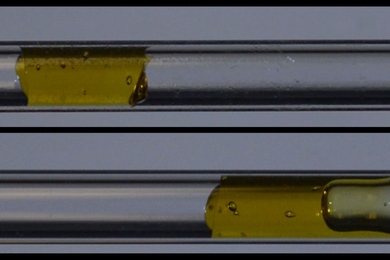
Engineered surface treatment developed at MIT can reduce waste and improve efficiency in many processes.
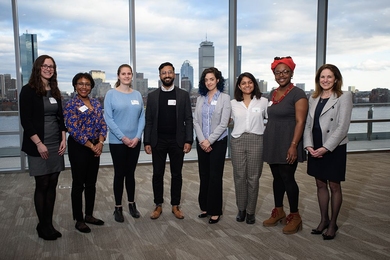
Violence Prevention and Response and Title IX and Bias Response Office celebrate individuals and departments for standing up to sexual harassment and assault.
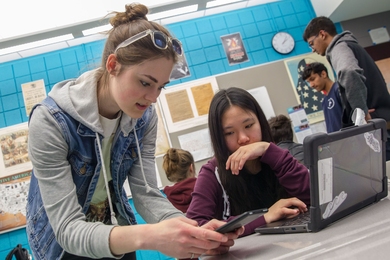
MIT researchers joined Cambridge Rindge and Latin School students for a two-day event focused on future-ready skills.
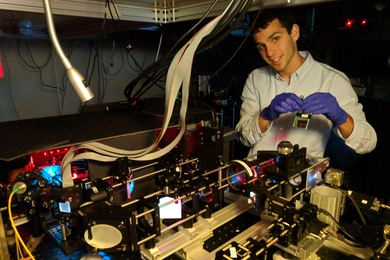
Award funds graduate studies to advance groundbreaking applied science.

Working Group on Curricula and Degrees co-chairs discuss their progress toward establishing credentials and courses for the college.

Decision to move Commencement to late May marks culmination of community dialogue led by vice chancellor and registrar.

EECS faculty member is recognized for technical innovation, educational excellence, and efforts to advance women and underrepresented minorities in her field.
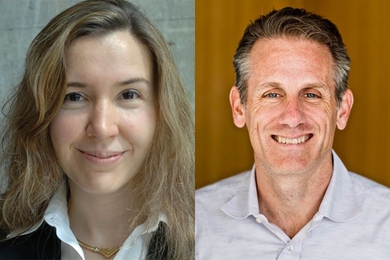
Co-chairs of the Organizational Structure working group discuss their goals and progress.
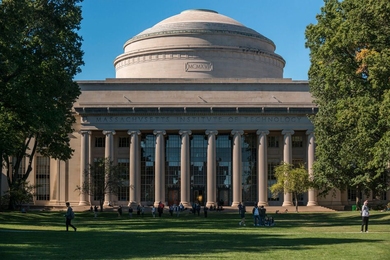
Prestigious honor society announces more than 200 new members.
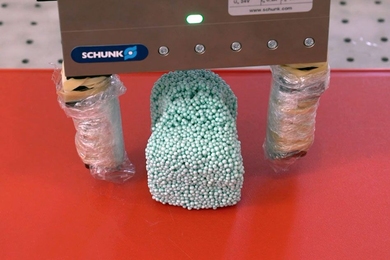
Model improves a robot’s ability to mold materials into shapes and interact with liquids and solid objects.
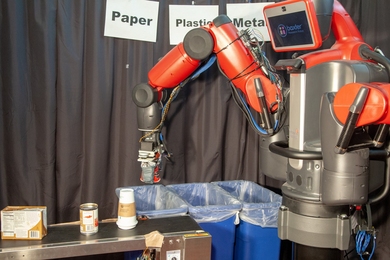
CSAIL’s "RoCycle" system uses in-hand sensors to detect if an object is paper, metal or plastic.

Researchers free up more bandwidth by compressing “objects” within the memory hierarchy.

Novel batteries are the first to use water-splitting technology at their core.

Award funds graduate studies for talented immigrants and children of immigrants.