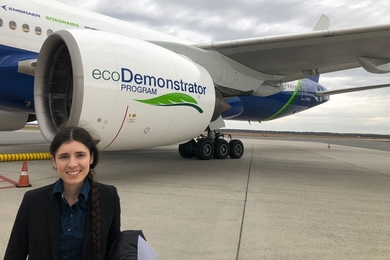
From delayed deceleration to Zooming
Jacqueline Thomas PhD ’20 recounts her final academic year at MIT, from once-in-a-lifetime field work to a virtual thesis defense.
Jacqueline Thomas PhD ’20 recounts her final academic year at MIT, from once-in-a-lifetime field work to a virtual thesis defense.

Report outlines the thinking behind five proposed options for the 2020-2021 academic year.
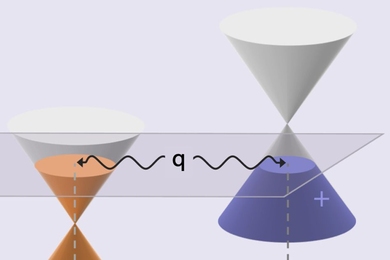
Exotic states called Kohn anomalies could offer clues to why some materials have the electronic properties they do.
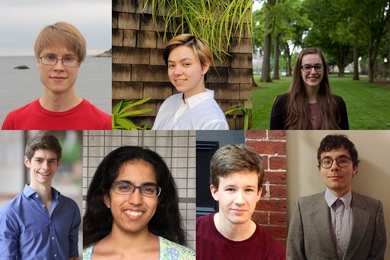
Award recognizes scholars who pursue graduate studies focusing on “bold, risk-taking research.”

Using 3D fabrication, researchers develop novel nuclear materials that optimize both accident tolerance and performance.
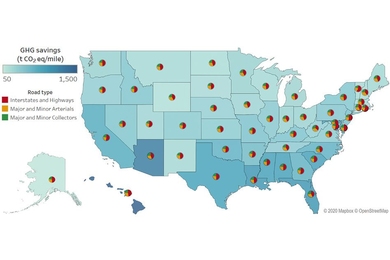
Study finds simple changes in road resurfacing practices could improve gas mileage for heavy vehicles and reduce greenhouse gas emissions.

Ranked at the top for the ninth straight year, the Institute also places first in 12 subject areas.
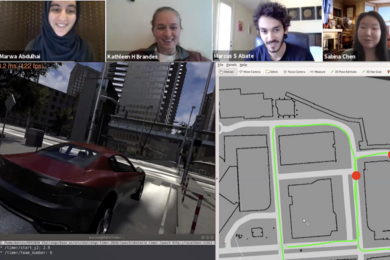
Teaching assistants in Robotics: Science and Systems pulled out all the stops to help engineering students race across the finish line this spring.
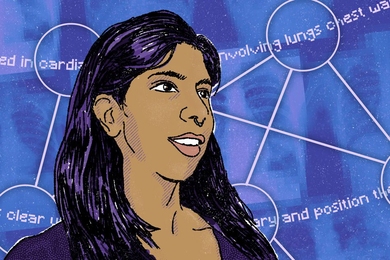
PhD student Geeticka Chauhan draws on her experiences as an international student to strengthen the bonds of her MIT community.
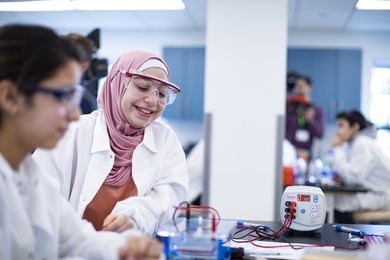
Online learning program combines lab simulations and mentoring experiences focused on biotechnology and neurological diseases.
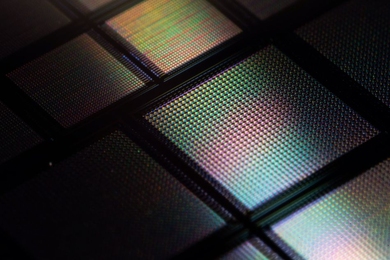
The design could advance the development of small, portable AI devices.
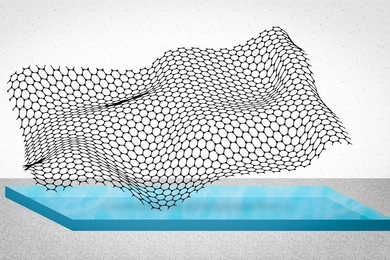
New roll-to-roll production method could enable lightweight, flexible solar devices and a new generation of display screens.
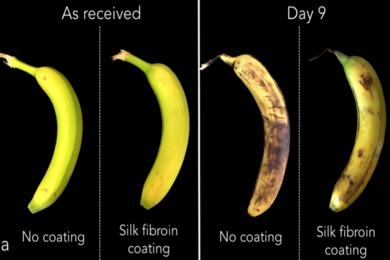
Cambridge Crops develops an edible, imperceptible coating that might replace plastic packaging to preserve meats and produce.

MIT CSAIL researchers say improving computing technology after Moore's Law will require more efficient software, new algorithms, and specialized hardware.
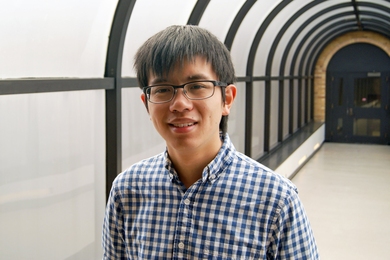
After his PhD thesis invalidates an old assumption, Norman Cao wonders what’s next.