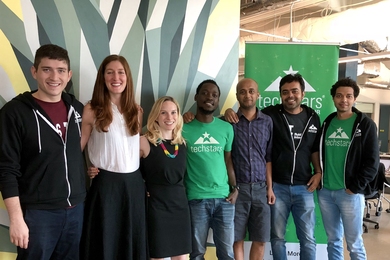
Three MIT-incubated ventures chosen for first Techstars Impact class
Base Operations, MDaaS Global, and Graviky Labs will head to Texas to be part of the first class at the new elite accelerator.
Base Operations, MDaaS Global, and Graviky Labs will head to Texas to be part of the first class at the new elite accelerator.
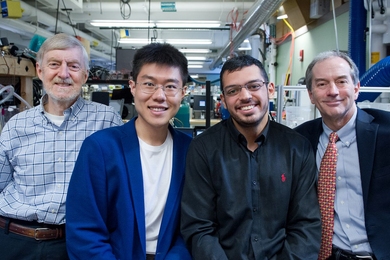
Analysis points the way to energy-efficient systems that take a location-specific approach to cooling and dehumidifying places where people live and work.
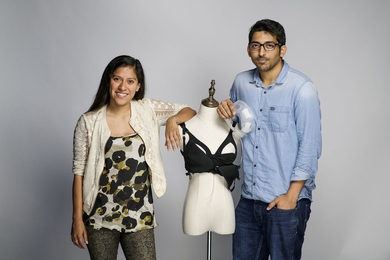
Alumna-founded LiLu promises to make life as a new mom easier by making breast pumping more comfortable and more productive.
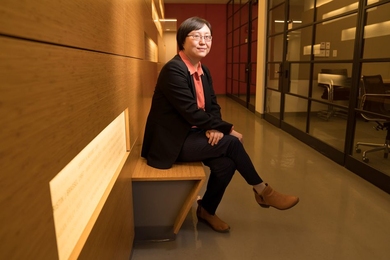
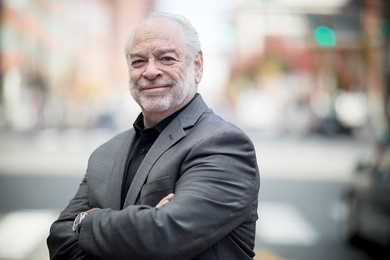
Architect and urban designer brings to the role decades of global expertise on the transformation of cities
![An example of a therapy session augmented with humanoid robot NAO [SoftBank Robotics], which was used in the EngageMe study. Tracking of limbs/faces was performed using the CMU Perceptual Lab's OpenPose utility.](/sites/default/files/styles/term_page__news_article/public/images/201806/MIT-Autism-Robots.png?itok=WUVBwk3H)
Machine learning network offers personalized estimates of children’s behavior.

Grant from The Andrew W. Mellon Foundation will enable a landscape analysis and code audit of all known open source authoring and publishing platforms.
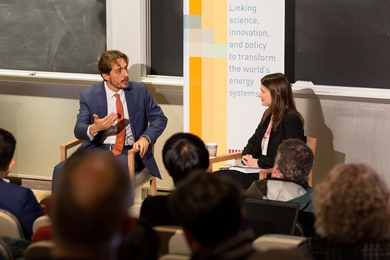
Bruno Verdini, executive director of the MIT-Harvard Mexico Negotiation Program, discusses his award-winning research on negotiating for mutual gains.
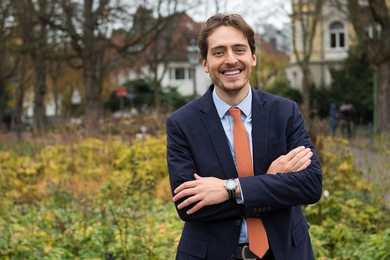
Through research on U.S. - Mexico hydrocarbon drilling rights negotiation, Bruno Verdini provides insights on how to resolve conflicts through proactive collaboration.
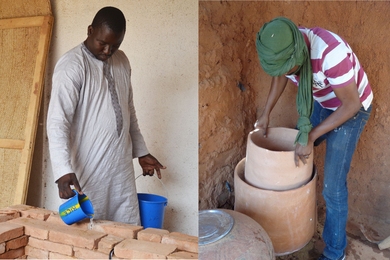
CITE and D-Lab study finds evaporative cooling devices show promise for helping small-scale farmers, market vendors, and families store and preserve vegetables.
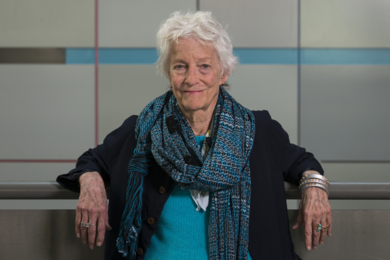
Artist and scholar cited for her “immeasurable impact” in pioneering the integration of performance art and new media.
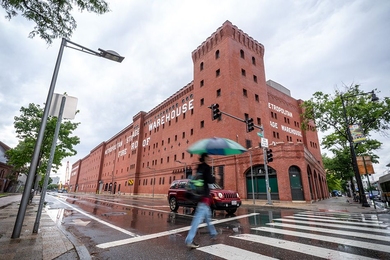
Historic building would create “design hub” for MIT, with benefits for surrounding community.
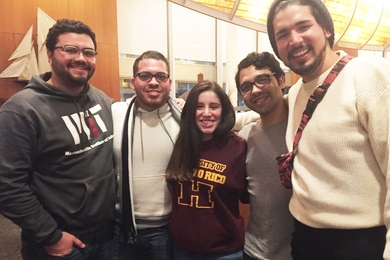
In the wake of the devastating 2017 hurricane, MIT hosted five Puerto Rican undergraduates to help them continue their path toward graduate school.
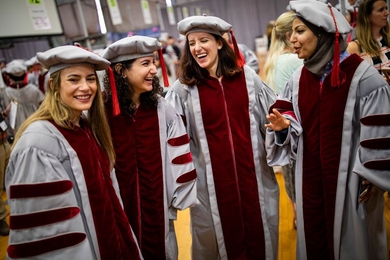
Candis Callison SM ’02, PhD ’10, professor and journalist, tells doctoral graduates they can “shift society” for the better.
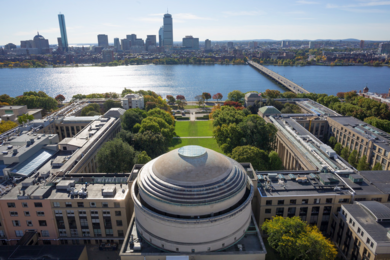
Ranked at the top for the seventh straight year, the Institute also places first in 12 of 48 disciplines.