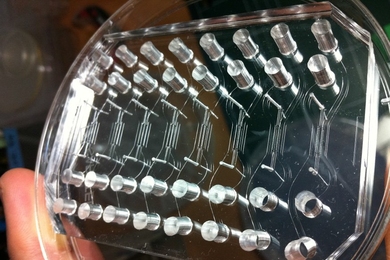
Tiny tools help advance medical discoveries
MIT researchers are designing tools to analyze cells at the microscale.
MIT researchers are designing tools to analyze cells at the microscale.
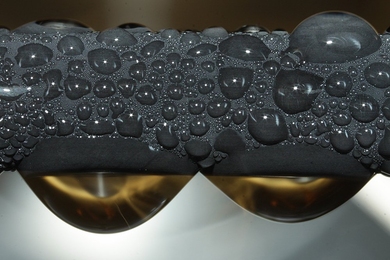
Scalable nanopatterned surfaces designed by MIT researchers could make for more efficient power generation and desalination.
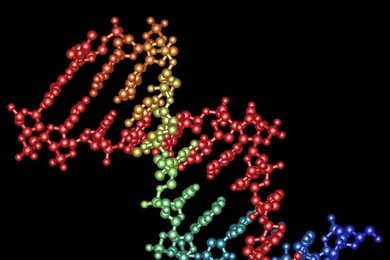
New method allows scientists to insert multiple genes in specific locations, delete defective genes.

Deadline for applications is February 28.
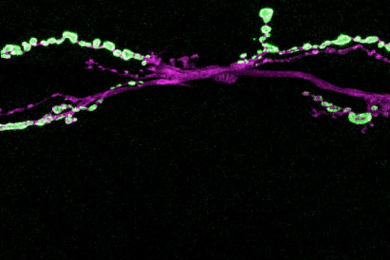
Two essential proteins regulate the molecular machinery that controls neuronal communication and the release of signals between neurons.
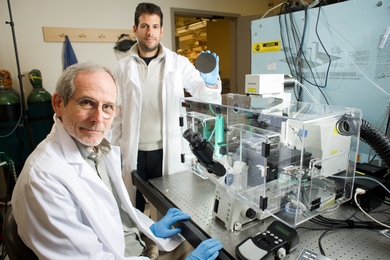
Kamm is studying the mechanics of metastasis, the process of cancer-cell migration from one location in the body to another and the cause of more than 90 percent of cancer deaths.
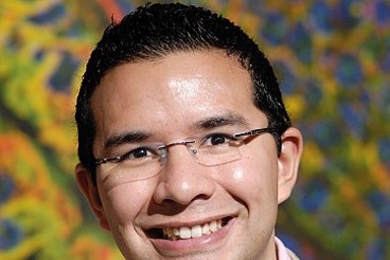
Pedro Valencia PhD '12 honored for drug research.
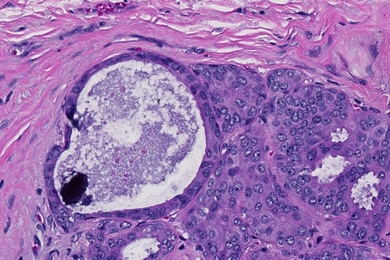
New spectroscopy technique could help doctors better identify breast tumors.

MIT researchers develop a new approach using graphene sheets coated with nanowires.
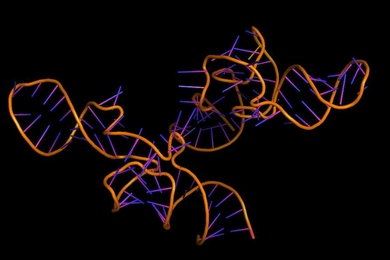
MIT biologists find that alternative splicing of RNA rewires signaling in different tissues and may often contribute to species differences.
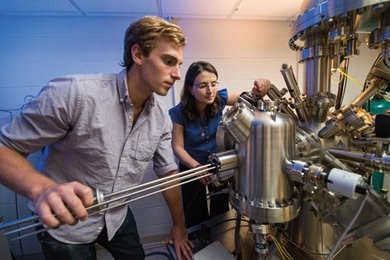
MIT researchers now have new insights into how 'stress corrosion cracking' may be affected by nanoscale disruptions in the crystalline structure of metallic materials.
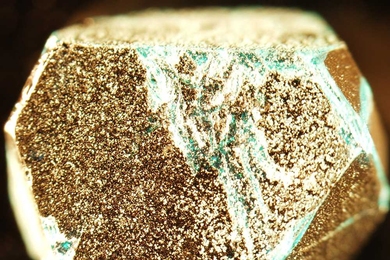
Experiments demonstrate ‘quantum spin liquid,’ which could have applications in new computer memory storage.

MIT’s Gediminas Urbonas emerged from the old Soviet Union to produce new art in Cambridge.

MIT Philosophy has extraordinary success placing PhD graduates in top tenure-track positions.
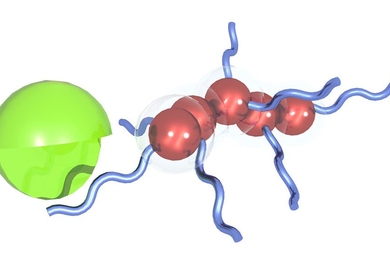
Nanoparticles amplify tumor signals, making them much easier to detect in the urine.