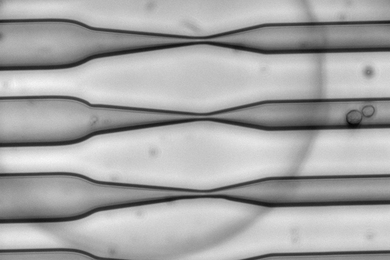
Putting the squeeze on cells
By deforming cells, researchers can deliver RNA, proteins and nanoparticles for many applications.
By deforming cells, researchers can deliver RNA, proteins and nanoparticles for many applications.
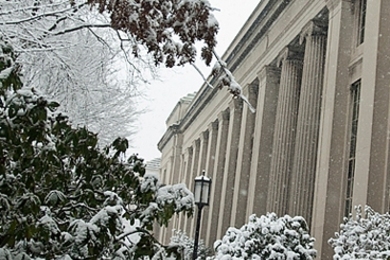
AeroAstro assistant professor, RLE research scientist among 40 winners
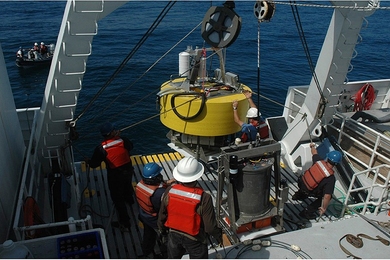
Scientists track ocean microbe populations in their natural habitat to create a ‘day in the life’ montage.
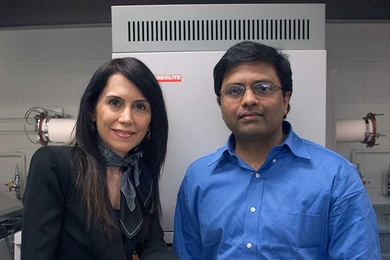
Ceramic forms of hydrophobic materials could be far more durable than existing coatings or surface treatments.

MIT anthropologist’s new book recounts the painful aftermath when steel plants suddenly closed in the American heartland.
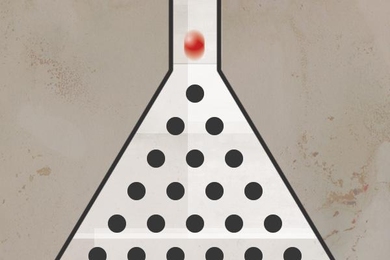
Over three days in December, four research groups announced progress on a quantum-computing proposal made two years ago by MIT researchers.
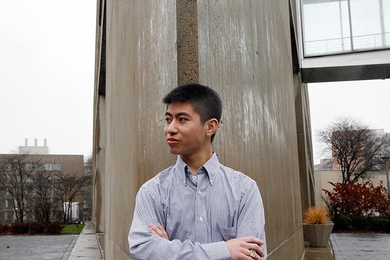
First-generation college student Eric Trac makes the most of MIT — whether through medical research or community service.

Book details how conservatives have changed the terms of the environmental debate in recent decades.

Mutant forms of the gene disrupt chemical modifications that control access to genes necessary for normal brain cell function.
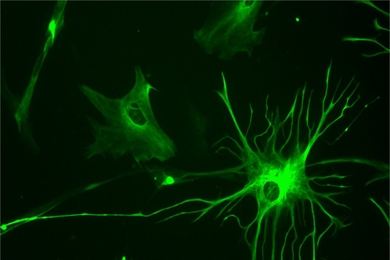
Discovery that some seizures arise in glial cells could offer new targets for epilepsy treatment.
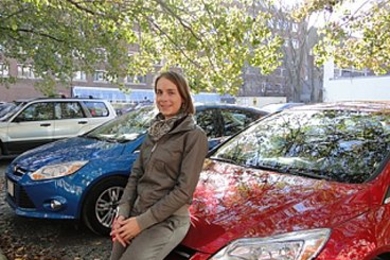
Karplus, Paltsev honored for their study on the impacts of vehicle efficiency standards.
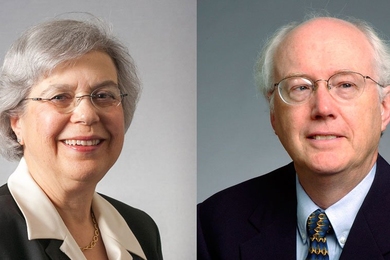
MIT researchers honored for their paper 'Tussle in Cyberspace: Defining Tomorrow’s Internet.'
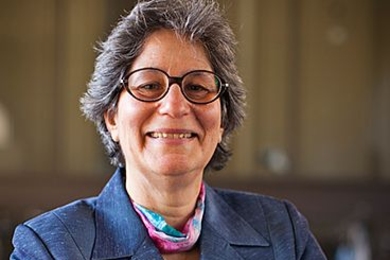
MIT professor honored by BBVA for discovering links between atmosphere, climate and human activity.
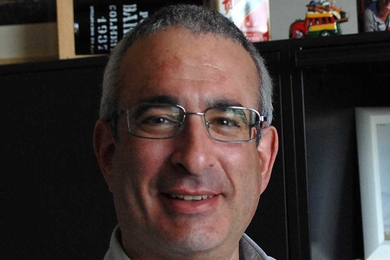
Economist Josh Angrist uses his meticulous methods to find out what makes some schools better than others.
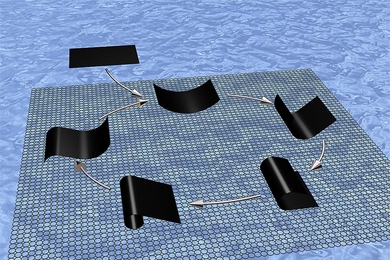
Polymer film could be used in artificial muscle and to power micro- and nanoelectronic devices.