Electron-phonon interactions affect heat dissipation in computer chips
Study shows particle collisions may explain overheated circuits, improve thermoelectric devices.
Study shows particle collisions may explain overheated circuits, improve thermoelectric devices.
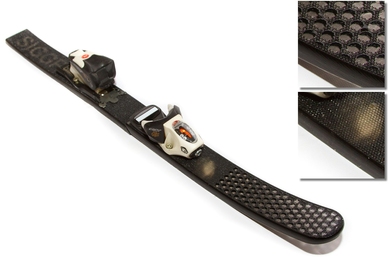
“Foundry” tool from the Computer Science and Artificial Intelligence Lab lets you design a wide range of multi-material 3-D-printed objects.
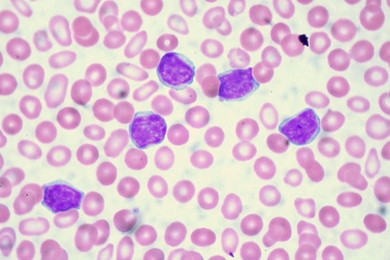
Device can predict tumor responses by measuring cell growth after drug exposure.
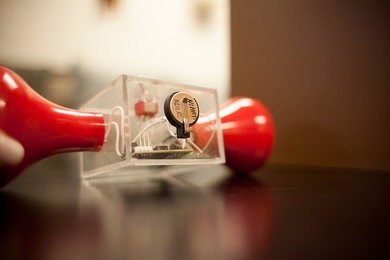
Energy storage device could deliver more power than current versions of this technology.
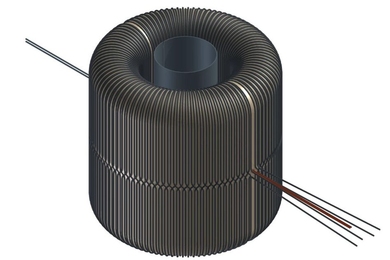
Detecting “axion” particles may solve longstanding problem in particle physics.

Study shows unlicensed health care practitioners in India improve with modest training.
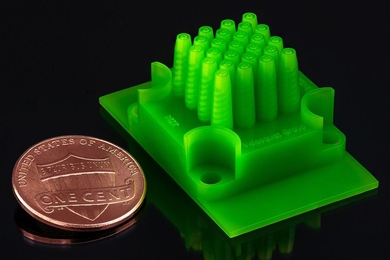
Technique mass-produces uniform, encapsulated particles for pharmaceuticals, many other uses.

One Brave Idea Research Award will support the search for new biomarkers and treatments.

Keyboard-monitoring technique can detect motor difficulties as patients type.
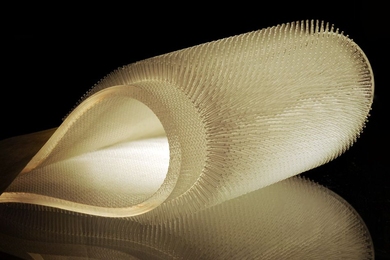

Report projects impacts of 2015 Paris climate agreement, identifies emissions paths/technology advances needed to limit global warming to 2 degrees Celsius.

New book by professor Heather Hendershot explores impact of William F. Buckley’s “Firing Line.”
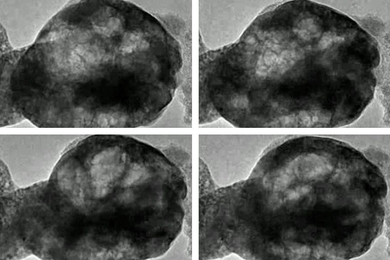
Newly discovered phenomenon could affect materials in batteries and water-splitting devices.
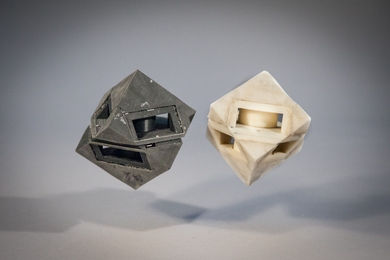
By “programming” customized soft materials, CSAIL team can 3-D print safer, nimbler, more durable robots.