
Scientists make huge dataset of nearby stars available to public
Users can search database of 1,600 stars to find signs of new exoplanets.
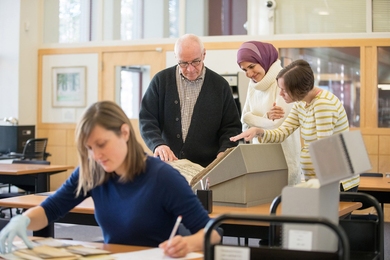
Is the library the new public square?
The Future of the Libraries Task Force seeks feedback on 10 recommendations including global library services and preserving more of MIT’s intellectual work.
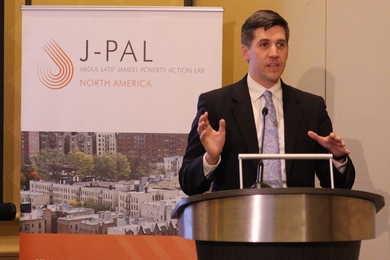
Government leaders gather at MIT to advance evidence-based policymaking
State and local policymakers joined with leading researchers to share experiences overcoming challenges to evaluating government programs.

Secure wireless chargers
New chip would thwart the counterfeiting that plagues the market for wired device chargers.

Scientists estimate solar nebula’s lifetime
Study finds the swirling gas disk disappeared within the solar system’s first 4 million years.
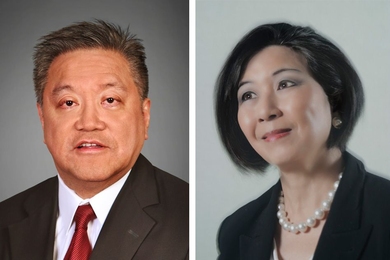
New Center for Autism Research established at MIT’s McGovern Institute
A $20 million gift from Lisa Yang and Hock Tan ’75 SM ’75 will catalyze multidisciplinary autism research.
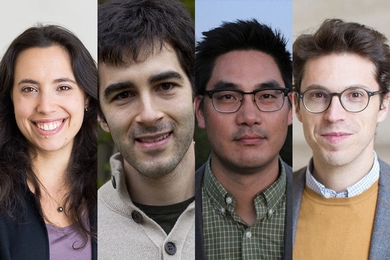
New faculty strengthen, broaden MIT’s energy expertise
MIT's newest faculty bring a wide array of energy interests and developments to the Institute.
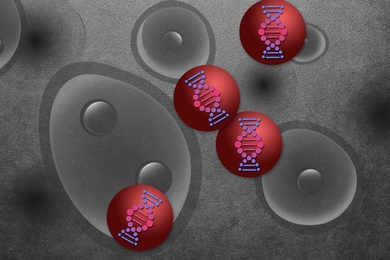
Nanoparticle screen could speed up drug development
New test helps identify particles for gene delivery or RNA interference.

Stars align in test supporting “spooky action at a distance”
Physicists address loophole in tests of Bell’s inequality, using 600-year-old starlight.
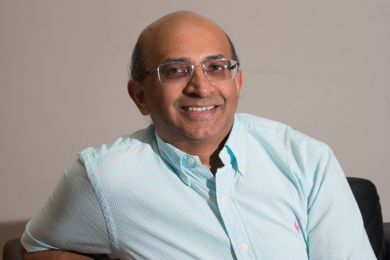
Faculty highlight: Senthil Todadri
A quest to understand superconductivity leads MIT theoretical physicist Senthil Todadri to discoveries about new magnetic materials called quantum spin liquids.
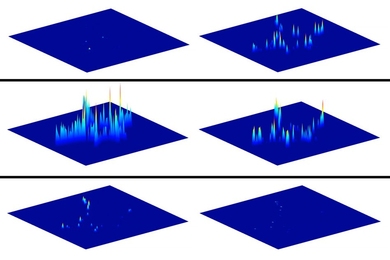
Sensor traces dopamine released by single cells
New technology could help neuroscientists understand how dopamine influences brain activity.

Engineers harness stomach acid to power tiny sensors
Ingestible electronic devices could monitor physiological conditions or deliver drugs.
3 Questions with Richard Nielsen: How political science helps combat terrorism
Assistant Professor Richard Nielsen explores why some Muslim clerics adopt the ideology of militant jihad while most do not.

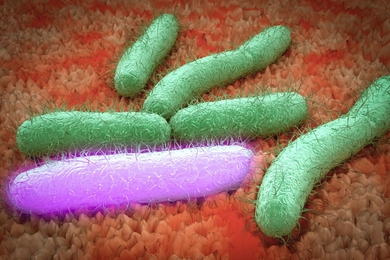
Microbial manufacturing
Engineered bacteria produce rare and commercially useful compounds in large quantities.