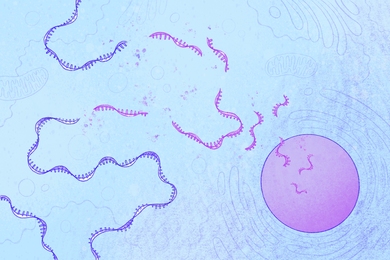
New insights into a hidden process that protects cells from harmful mutations
Research reveals how cells may activate a compensation system that can reduce the effects of harmful genetic mutations. This could inform gene therapy development.
Research reveals how cells may activate a compensation system that can reduce the effects of harmful genetic mutations. This could inform gene therapy development.
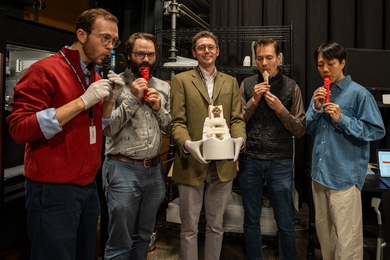
Through an interdisciplinary collaboration between MIT and the Museum of Fine Arts, Boston, researchers are creating playable physical and synthesized replicas.
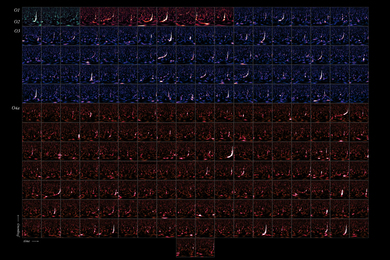
The latest crop of space-time wobbles includes a variety of heavy, fast-spinning, and lopsided colliding black holes.
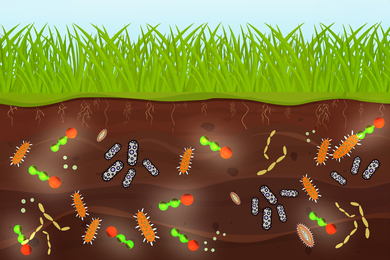
While some N2O is produced naturally at the plant root, agricultural practices can increase its levels, to the detriment of some microbes that support plant growth.
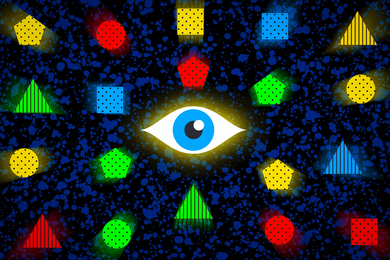
Patterns of gaze and attention can reveal how some people unconsciously figure out how to master a task, new research shows.
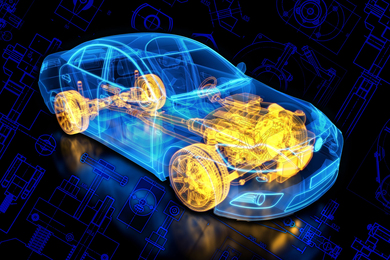
The approach could help engineers tackle extremely complex design problems, from power grid optimization to vehicle design.
The engineered tissue grafts could take on the liver’s function and help thousands of people with liver failure.
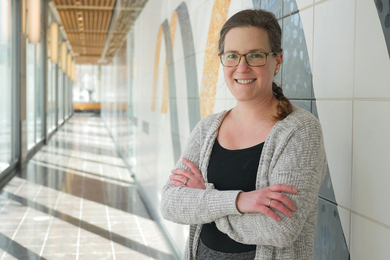
Assistant Professor Alison Ringel will investigate the intersection of immunology and aging biology, aiming to define mechanisms that underlie aging-related decline, thanks to a grant from the foundation.
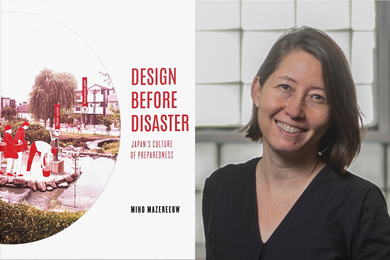
Japan incorporates more disaster planning into its buildings and public spaces than any other nation. Miho Mazereeuw’s new book explains how they do it.
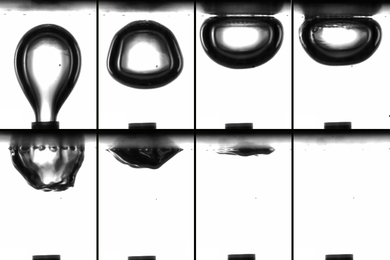
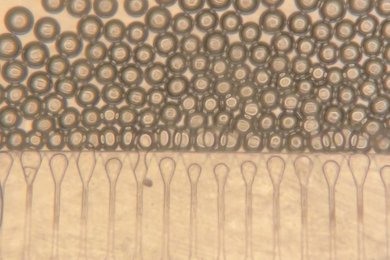
MIT researchers uncovered the physics behind bubble-removing membranes that could improve bioreactors, chemical production, and more.

By leveraging idle computing time, researchers can double the speed of model training while preserving accuracy.

To help generative AI models create durable, real-world accessories and decor, the PhysiOpt system runs physics simulations and makes subtle tweaks to its 3D blueprints.

By providing holistic information on a cell, an AI-driven method could help scientists better understand disease mechanisms and plan experiments.

Strahinja Janjusevic brings an international perspective and US Naval Academy education to his graduate research in the MIT Technology and Policy Program.

An international study reveals disparities in urban shade levels, exacerbating the “heat island” effect in big cities.