
Finding patterns in corrupted data
New model-fitting technique is efficient even for data sets with hundreds of variables.
New model-fitting technique is efficient even for data sets with hundreds of variables.
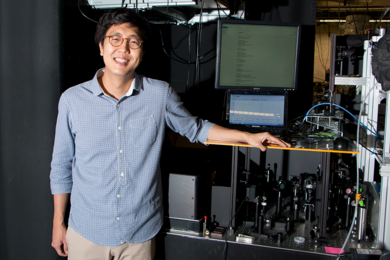
MIT researchers use an optical technique to probe magnetism at a hidden interface between two exotic thin films.

CSAIL team's “Gitless” fixes Git’s biggest issues — and suggests their approach could help improve systems like Gmail and Dropbox.

Counterintuitive “metamaterial” may enable heat-resistant circuit boards.

Activating certain brain neurons may spur recovery from general anesthesia.

New treatment elicits two-pronged immune response that destroys tumors in mice.

New library proposals meant to enhance “meaningful access to knowledge.”

Combining cellphone data with perceptions of public spaces could help guide urban planning.

With new algorithms, data scientists could accomplish in days what has traditionally taken months.
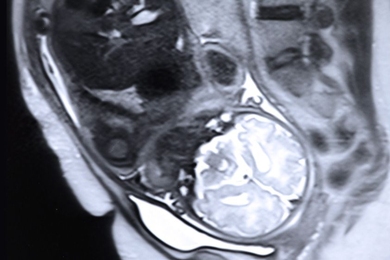
Algorithm could help analyze fetal scans to determine whether interventions are warranted.

Professor Charles Stewart III explains why the U.S. electoral system is strong and how MIT research is making the voting process even more seamless.

Imaging technique that creates 3-D video of serotonin transport could aid antidepressant development.

The Institute had a strong finish to fiscal year 2016, closing with $529 million in new gifts and pledges.
![“Contrary to the conjecture that Medicaid would get people to [move] out of the emergency room and to the primary care physician, we’re seeing a persistent increase in emergency room use,” says Amy Finkelstein, the John and Jennie S. MacDonald Professor of Economics at MIT.](/sites/default/files/styles/term_page__news_article/public/images/201610/MIT-amy-finkelstein.jpg?itok=rE5rhSv8)
Acquiring health insurance does not lead to drop in emergency room usage.

The IPL provides funding and policy outreach support to help MIT researchers connect with the policy world.