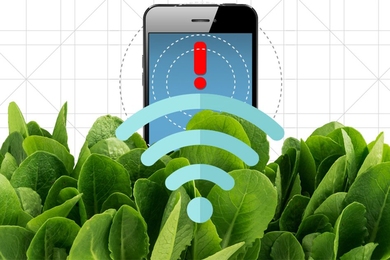
Nanobionic spinach plants can detect explosives
After sensing dangerous chemicals, the carbon-nanotube-enhanced plants send an alert.
After sensing dangerous chemicals, the carbon-nanotube-enhanced plants send an alert.


New training technique would reveal the basis for machine-learning systems’ decisions.

Scientists reconstruct first hours after a giant impact created one of the largest craters on the moon.
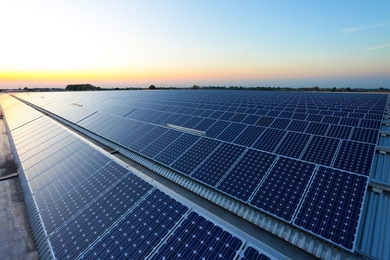
MIT team awarded U.S. Department of Energy grant to investigate cost reductions in solar energy systems.

New model-fitting technique is efficient even for data sets with hundreds of variables.
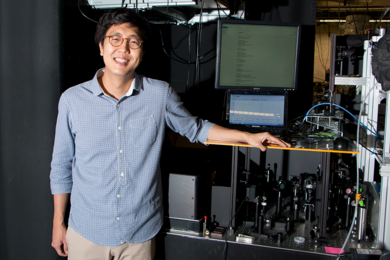
MIT researchers use an optical technique to probe magnetism at a hidden interface between two exotic thin films.
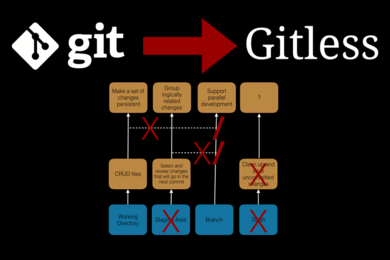
CSAIL team's “Gitless” fixes Git’s biggest issues — and suggests their approach could help improve systems like Gmail and Dropbox.

Counterintuitive “metamaterial” may enable heat-resistant circuit boards.

Activating certain brain neurons may spur recovery from general anesthesia.
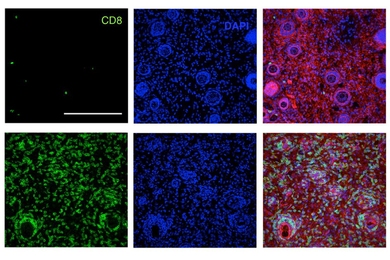
New treatment elicits two-pronged immune response that destroys tumors in mice.
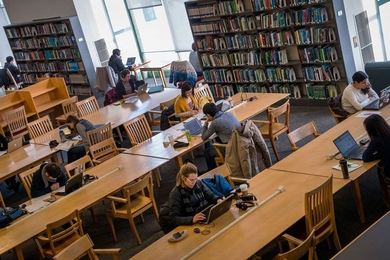
New library proposals meant to enhance “meaningful access to knowledge.”

Combining cellphone data with perceptions of public spaces could help guide urban planning.

With new algorithms, data scientists could accomplish in days what has traditionally taken months.