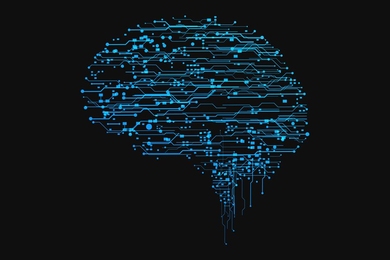
Brain waves reflect different types of learning
For the first time, researchers have identified neural signatures of explicit and implicit learning.
For the first time, researchers have identified neural signatures of explicit and implicit learning.
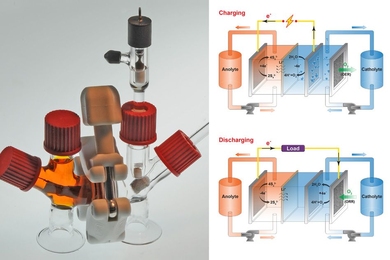
“Air-breathing” battery can store electricity for months, for about a fifth the cost of current technologies.
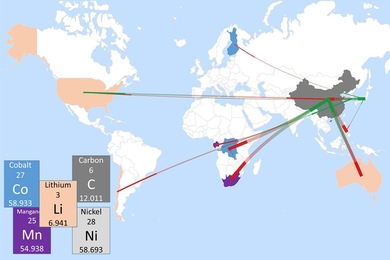
Rise of electric vehicles and grid storage may cause bottlenecks, but no showstoppers, analysis suggests.
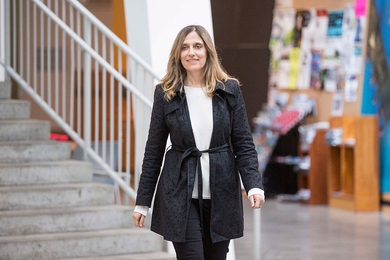
MIT computer scientist who studies natural language processing and machine learning wins $625,000 prize.

Flying in shallow arcs helps birds stay aloft with less effort.
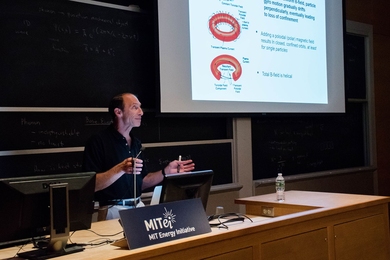
MIT research scientist is exploring how machine learning can predict and prevent disruptions in reactors.
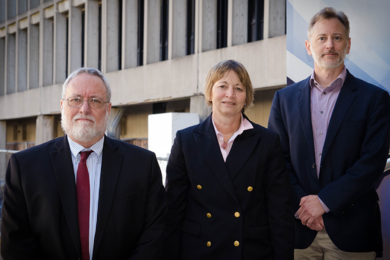
Materials Processing Center, Center for Materials Science and Engineering merger brings together formidable resources for advancing next-generation materials.
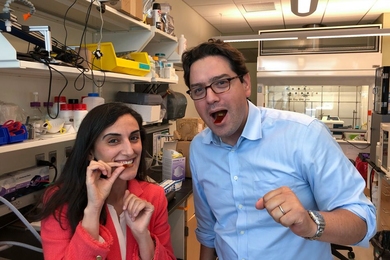
Ingestible devices could diagnose gastrointestinal slowdown or monitor food intake.
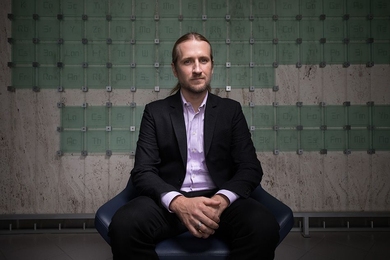
Jeremiah Johnson designs novel materials for drug delivery, energy, and other applications.
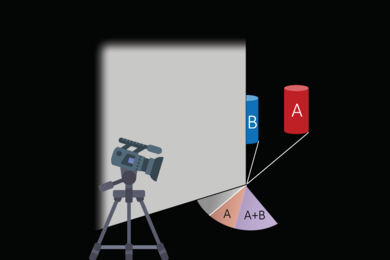
Using smartphone cameras, system for seeing around corners could help with self-driving cars and search-and-rescue.
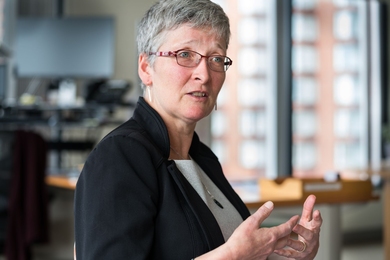
The TLO serves to protect and invest in the inventions created by MIT researchers.
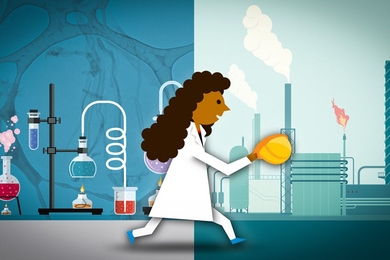
Project reveals benefits of communicating with industry when conducting research.
Ceremony honors research that may have once seemed obscure but has had significant social impact.
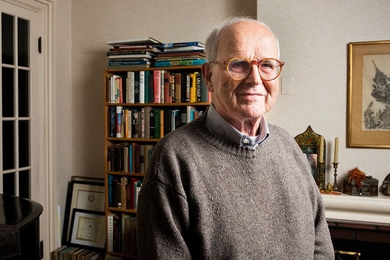
LIGO inventor and professor emeritus of physics recognized “for decisive contributions to the LIGO detector and the observation of gravitational waves.”
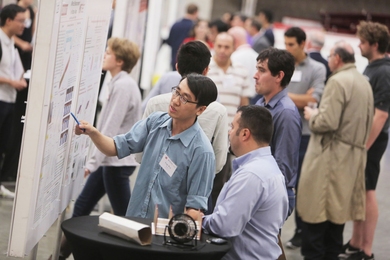
Students hone their communication skills by presenting their research projects at the 4th annual Mechanical Engineering Research Exhibition.