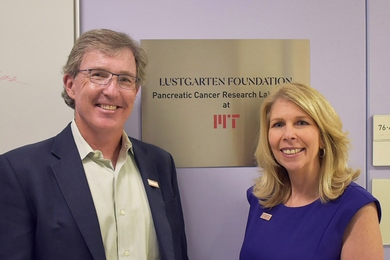
Progress against pancreatic cancer
Lustgarten Foundation names MIT laboratory to improve understanding and treatment of a deadly disease
Lustgarten Foundation names MIT laboratory to improve understanding and treatment of a deadly disease
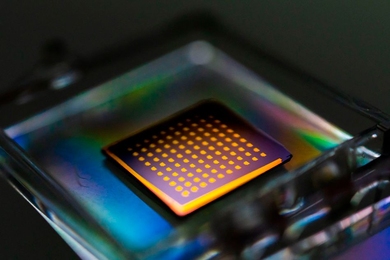
Efficient method for making single-atom-thick, wafer-scale materials opens up opportunities in flexible electronics.
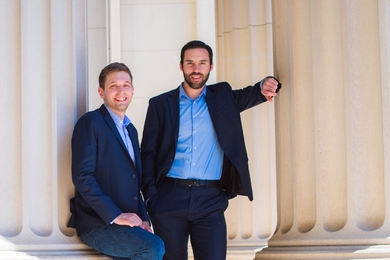
Matt Ellis PhD ’17 and Sam Shaner SM ’14, PhD ’18 launch a startup to develop an advanced nuclear reactor design.
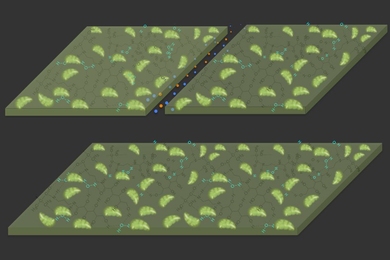
Taking a page from green plants, new polymer “grows” through a chemical reaction with carbon dioxide.
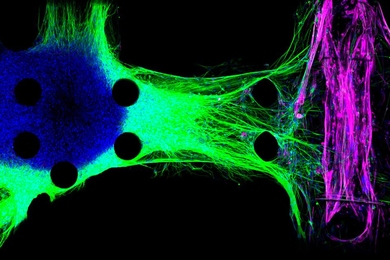
3-D tissue model replicates the motor neuron connections affected by amyotrophic lateral sclerosis.
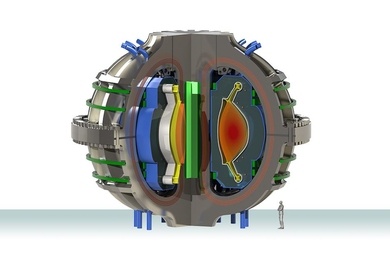
Novel design could help shed excess heat in next-generation fusion power plants.
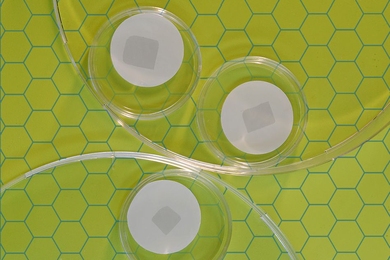
Fabrication technique could be integrated into manufacturing to make large-scale membranes.
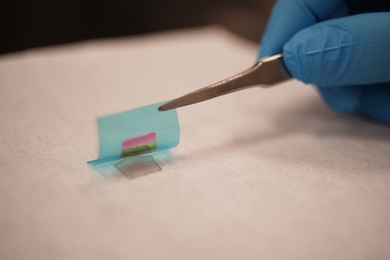
Cost-effective method produces semiconducting films from materials that outperform silicon.

Scholar shares award for his work on climate economics.

Student researchers lend voices, ideas for exploring nuclear energy’s potential to address climate change, and describe insights gained from the experience.
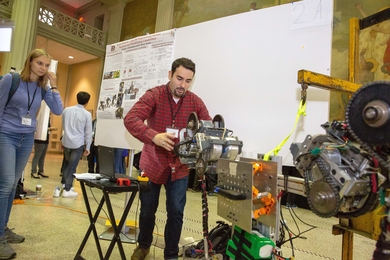
At the fifth annual Mechanical Engineering Research Exhibition, graduate students gain valuable practice presenting their innovative work.

Riccardo Comin, Phillip “Donnie” Keathley, and Luqiao Lui are among 31 selected nationwide.
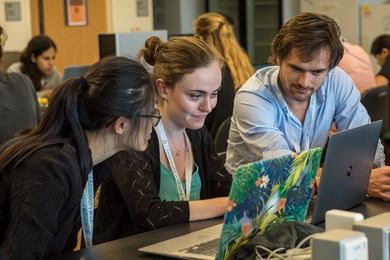
New investment supports intelligence research, student fellowships.
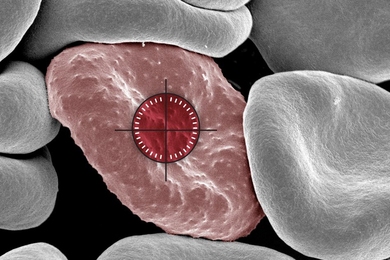
Natural killer cells’ failure to respond to infection may explain why the disease is more grave in some patients.
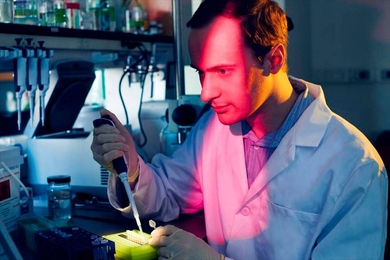
Cryptography techniques to screen synthetic DNA could help prevent the creation of dangerous pathogens, argues Professor Kevin Esvelt.