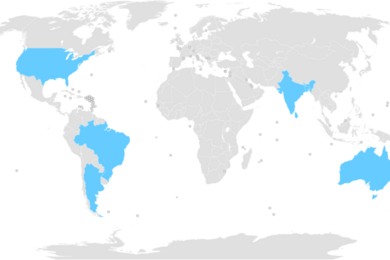
A new way to calculate global intensive care unit mortality risk
The GOSSIS algorithm was developed using data from hospitals around the world to spur greater multi-center collaboration and improved benchmarking.
The GOSSIS algorithm was developed using data from hospitals around the world to spur greater multi-center collaboration and improved benchmarking.
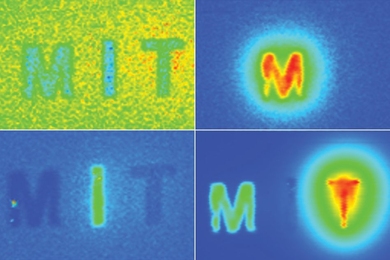
Near-infrared technology pinpoints fluorescent probes deep within living tissue; may be used to detect cancer earlier.

Researchers find vast gains in productivity after countries democratize.

Coating graphene with wax makes for a less contaminated surface during device manufacturing.

A scholar’s book uncovers new material about the effects of the infamous nuclear meltdown.
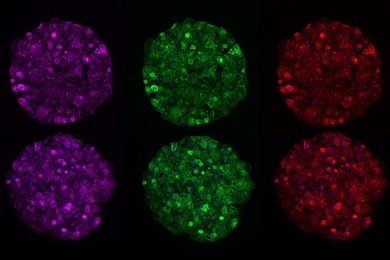
Studies could speed the development of new treatments for liver disease.

Researchers design a negotiation strategy to help cities and organizations minimize losses when their data are held hostage.

Growing material directly onto substrates and recycling chip patterns should enable faster, simpler manufacturing.
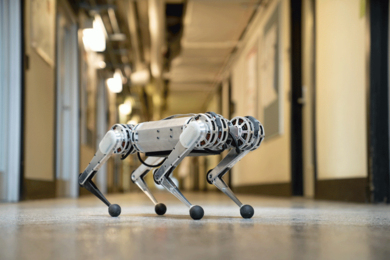
Robot’s lightweight, high-power design is the perfect platform to share and play, developers say.
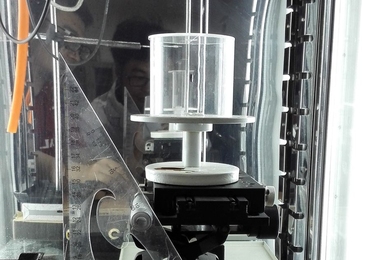
Unusual property of the ultrastrong material could be harnessed for twisting or pulling motions.
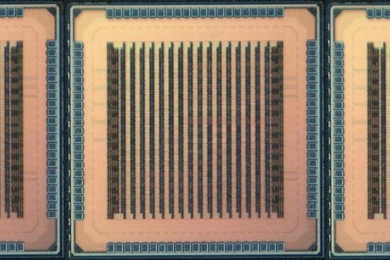
Efficient chip enables low-power devices to run today’s toughest quantum encryption schemes.

Optical effect could be harnessed for light displays, litmus tests, and makeup products.
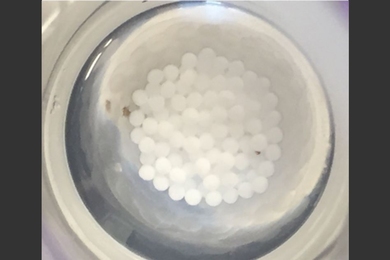
Measurements could help scientists develop better designs for a bioartificial pancreas.
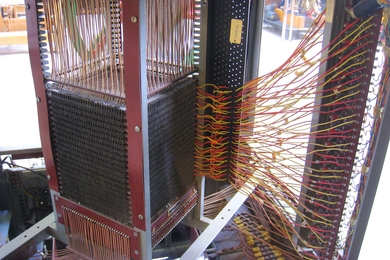
From digital circuits to ingestible robots, the Institute has helped spearhead key innovations in the technology revolution.

MIT-led team uses nanoparticles to deliver genes into plant chloroplasts.