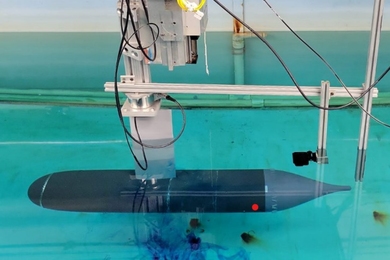
MIT researchers demonstrate ship hull modifications to cut fuel use
Wedge-shaped vortex generators reduce drag in ship hulls, which could advance decarbonization for the shipping industry.
Wedge-shaped vortex generators reduce drag in ship hulls, which could advance decarbonization for the shipping industry.
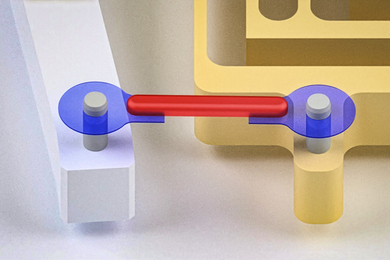
The new design from MIT engineers could pump up many biohybrid builds.

Large language models can learn to mistakenly link certain sentence patterns with specific topics — and may then repeat these patterns instead of reasoning.
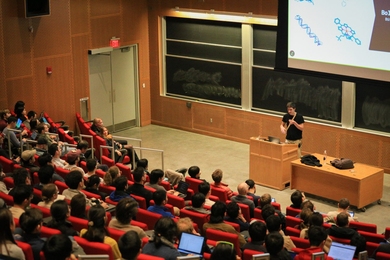
BoltzGen generates protein binders for any biological target from scratch, expanding AI’s reach from understanding biology toward engineering it.
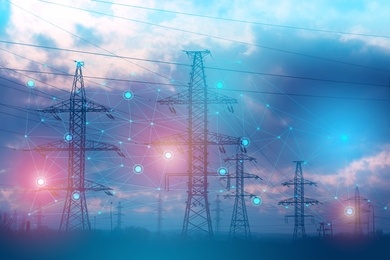
AI supports the clean energy transition as it manages power grid operations, helps plan infrastructure investments, guides development of novel materials, and more.
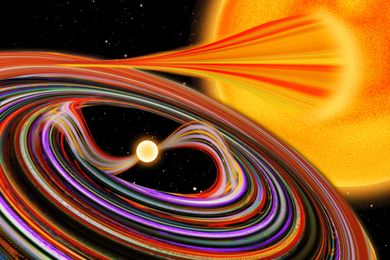
X-ray observations reveal surprising features of the dying star’s most energetic environment.

MIT neuroscientists find a surprising parallel in the ways humans and new AI models solve complex problems.

The virtual VideoCAD tool could boost designers’ productivity and help train engineers learning computer-aided design.
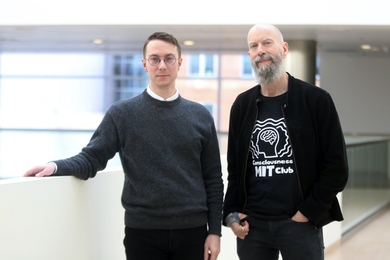
Through the MIT Consciousness Club, professors Matthias Michel and Earl Miller are exploring how neurological activity gives rise to human experience.
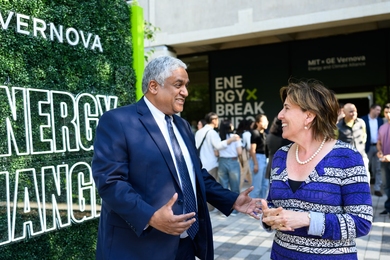
Five-year collaboration between MIT and GE Vernova aims to accelerate the energy transition and scale new innovations.

The team adapted the medical technique to study slag waste that was a byproduct of ancient copper smelting.
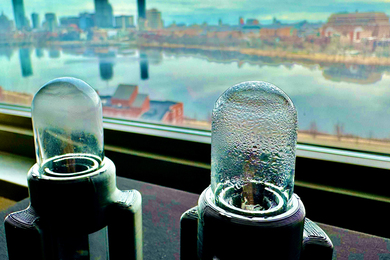
The system can be paired with any atmospheric water harvesting material to shake out drinking water in minutes instead of hours.
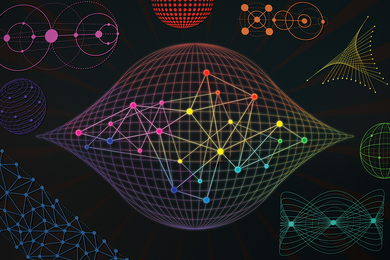
MIT researchers developed a way to identify the smallest dataset that guarantees optimal solutions to complex problems.

Five volunteers received 40Hz stimulation for around two years after an early-stage clinical study. Those with late-onset Alzheimer’s performed better on assessments than Alzheimer’s patients outside the trial.
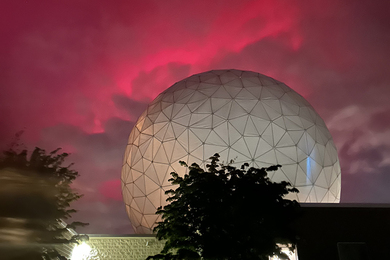
Solar maximum occurred within the past year — good news for aurora watchers, as the most active period for displays at New England latitudes occurs in the three years following solar maximum.