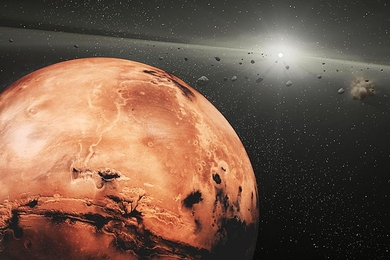
Asteroids' close encounters with Mars
Scientists find that Mars, not Earth, shakes up some near-Earth asteroids.
Scientists find that Mars, not Earth, shakes up some near-Earth asteroids.
A MIT faculty member for more than 40 years, Madden is remembered for his contributions to earth science research.
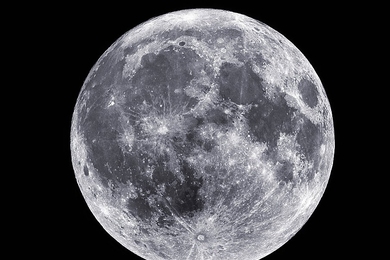
Researchers find that huge craters on the near side of the moon may overstate the intensity of asteroid impacts about 4.1 billion years ago.
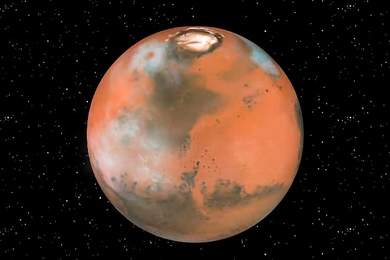
Cloud-chamber experiments show that clouds on Mars form in much more humid conditions than clouds on Earth.
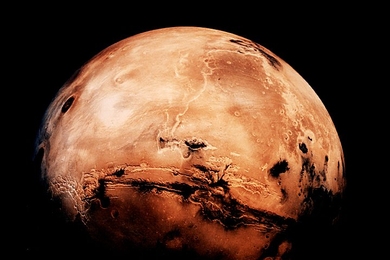
Researchers, in a step toward analyzing Mars for signs of life, find that gene-sequencing chip can survive space radiation.
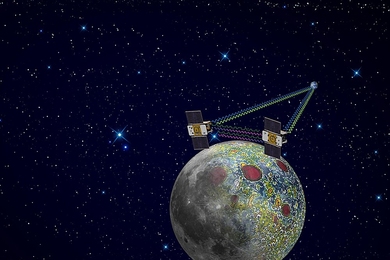
Simulations based on GRAIL data show how gravitational anomalies developed early in lunar history.
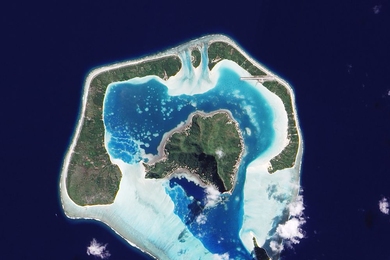
New study helps resolve a dispute over the origins of coral-reef formations.
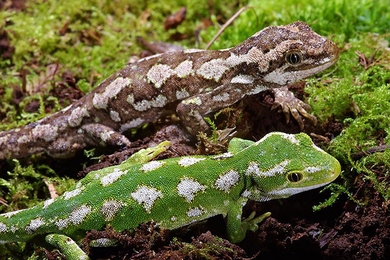
A combination of crowdsourcing and computer vision could identify individuals within endangered populations.
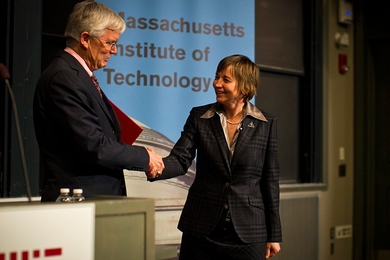
In 41st annual Killian Lecture, Maria Zuber describes looking deep into the moon’s interior to chart its early history.
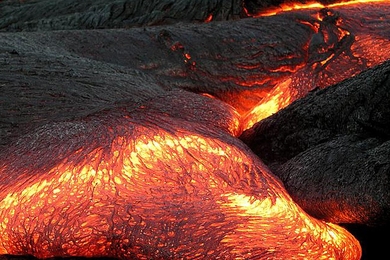
Massive lava flows may have given rise to two distinct rock types on Mercury’s surface.
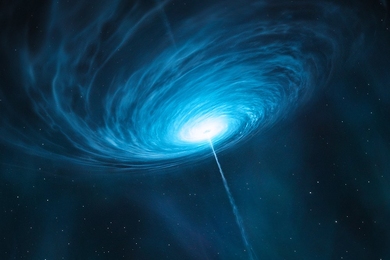
The very first stars may have turned on when the universe was 750 million years old.
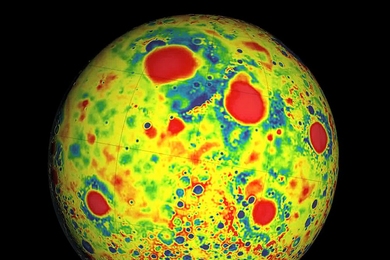
Twin spacecraft create a highly detailed gravity map of the moon, finding an interior pulverized by early impacts.
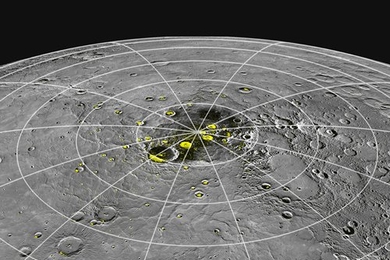
Ice and organic material may have been carried to the planet by passing comets.
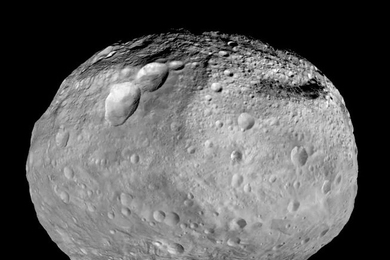
A meteorite found in Antarctica holds evidence of a once-active dynamo on Vesta.