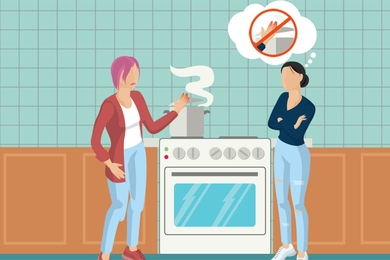
Brain circuit helps us learn by watching others
Scientists pinpoint neural interactions that are necessary for observational learning.
Scientists pinpoint neural interactions that are necessary for observational learning.
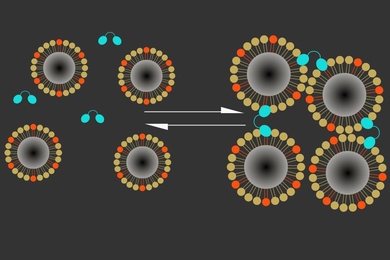
System detects direct signals of neural activity; could reveal patterns underlying behavior.
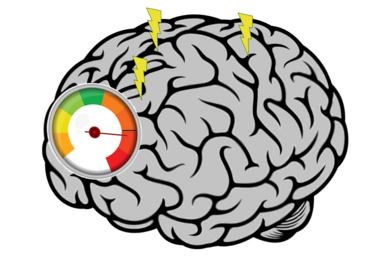
Picower Institute study explains what happens when working memory reaches its full capacity.
Seven staff members honored for their outstanding contributions to the MIT community.
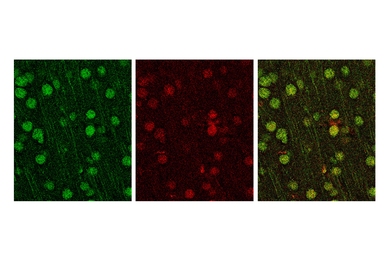
Study finds that major vault protein is needed for homeostatic plasticity.
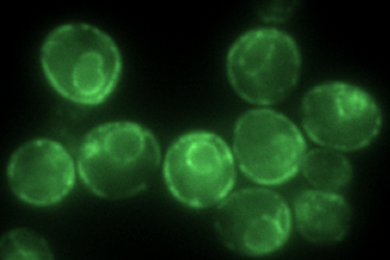
Whitehead Institute study in yeast illuminates the role of a molecular de-clogger in disease biology.
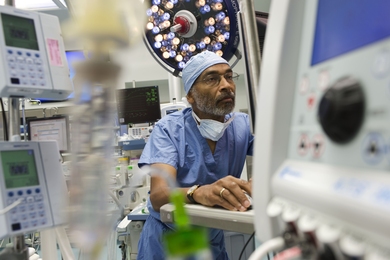
Emery N. Brown explains how statistics and neuroscience improve anesthesiology at the American Association for the Advancement of Science's annual meeting.
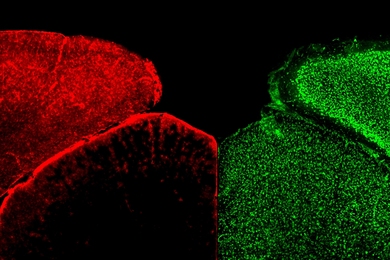
With a new grant, a Picower Institute team is studying the role of astrocytes, which may partner with neurons to process information in the brain.
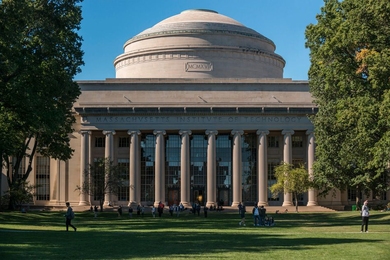
New Institute-wide initiative will advance human and machine intelligence research.
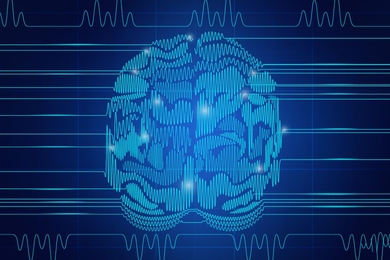
Brain rhythms act as a gate for information entering and leaving the mind.
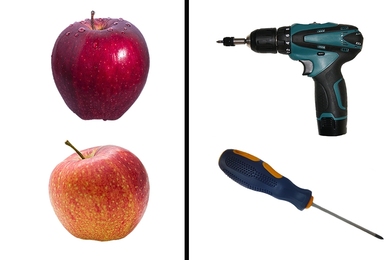
High-frequency gamma oscillations sort similar-looking objects; lower-frequency beta oscillations kick in when connections are more abstract.
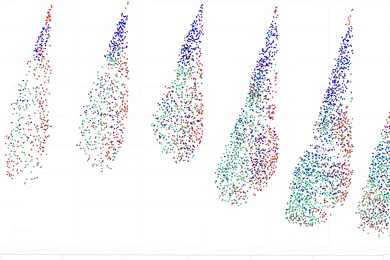
Researchers map the amygdala's distinct but diverse and dynamic neighborhoods where feelings are assigned.

Eight research staffers and postdocs are recognized for their extraordinary contributions and dedication to programs, colleagues, and the Institute.
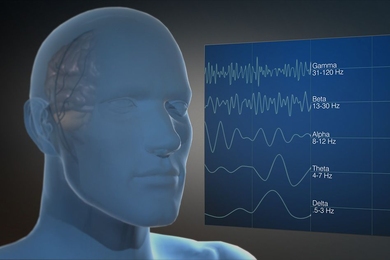
MIT neuroscientists suggest a model for how we gain volitional control of what we hold in our minds.
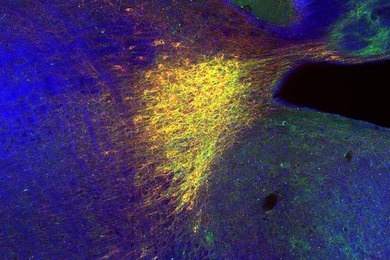
Neuroscientists identify a circuit that helps the brain record memories of new locations.