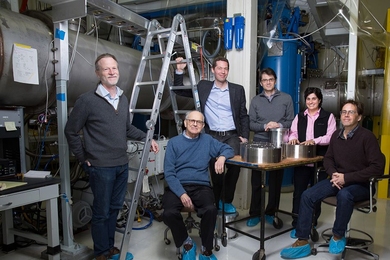
Scientists make first direct detection of gravitational waves
LIGO signal reveals first observation of two massive black holes colliding, proves Einstein right.
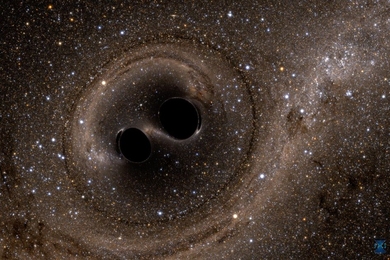
Gravitational waves detected 100 years after Einstein’s prediction
LIGO opens a new window on the universe with the observation of gravitational waves from colliding black holes.

Q&A: Rainer Weiss on LIGO’s origins
MIT physicist developed the concept for LIGO as a teaching exercise.
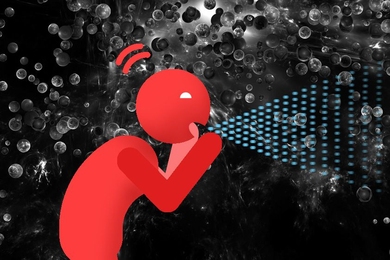
Sneezing produces complex fluid cascade, not a simple spray
High-speed imaging shows how fluid breaks apart in air, may help identify super-spreaders.
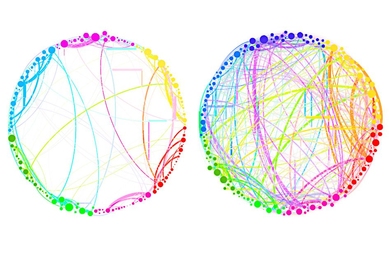
A new quantum approach to big data
System for handling massive digital datasets could make impossibly complex problems solvable.
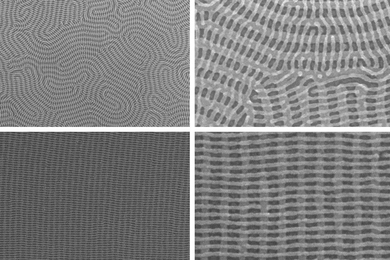
Self-stacking nanogrids
Polymer nanowires that assemble in perpendicular layers could offer route to tinier chip components.
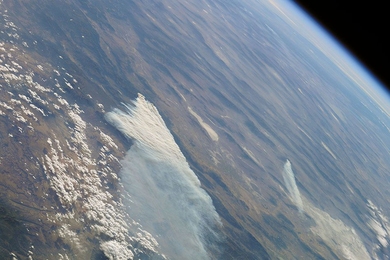
How aerosols drive the rain
Study finds human-made aerosols exert strong influence on the geography of precipitation.

Cutting down runway queues
Model that predicts time from gate departure to takeoff could cut airport congestion, fuel waste.
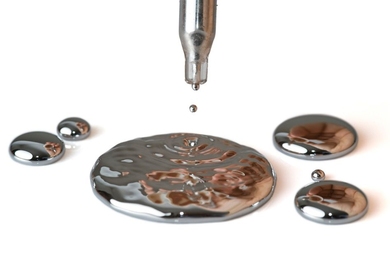
Global reductions in mercury emissions should lead to billions in economic benefits for U.S.
Benefits from international regulations may double those of domestic policy.

A healthy breakdown
Researchers discover how some organisms process oxalate, a molecule that can harm humans.
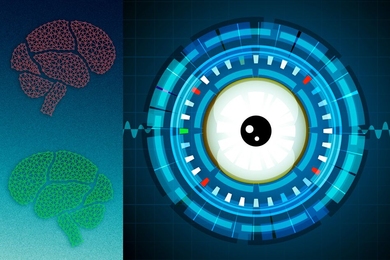
Machines that learn like people
Algorithms could learn to recognize objects from a few examples, not millions; may better model human cognition.
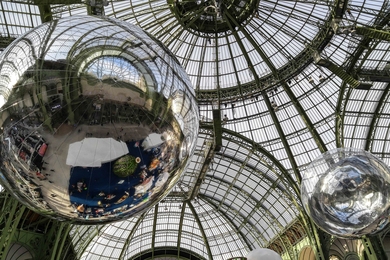
At COP21, finding hope for climate in the "Aerocene"
Visiting Artist Tomás Saraceno and MIT scientists join forces to confront climate crisis at United Nations conference.
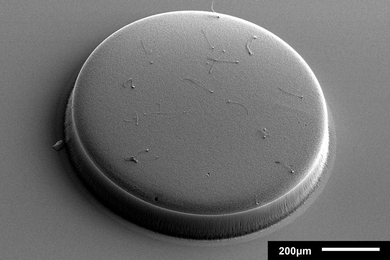
New device uses carbon nanotubes to snag molecules
Nanotube “forest” in a microfluidic channel may help detect rare proteins and viruses.