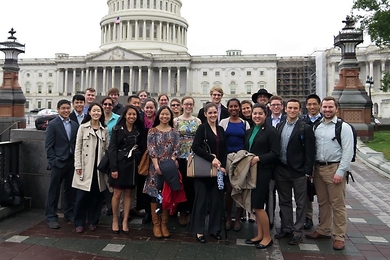
MIT students and postdocs advocate for science and engineering funding on Capitol Hill
Members of MIT's Science Policy Initiative meet with members of Congress on Science-Engineering-Technology Congressional Visits Day.
Members of MIT's Science Policy Initiative meet with members of Congress on Science-Engineering-Technology Congressional Visits Day.
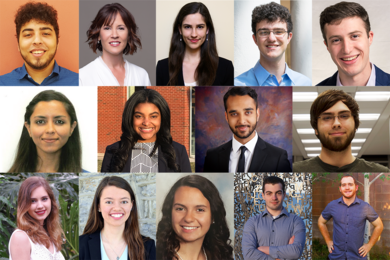
Diverse group seeks MIT laboratory internship experiences in materials science, photonics, energy, and biomedical applications.
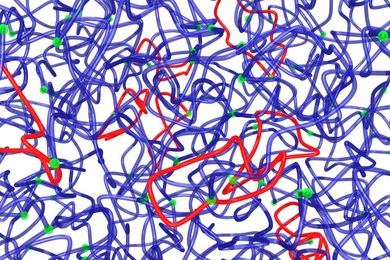
Simple technique cuts down on loops that weaken materials such as plastic and rubber.
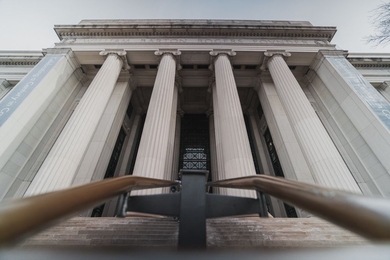
Support will enable the exploration of new research terrains.
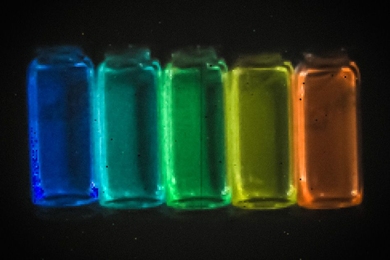
“Quantum dots” that emit infrared light enable highly detailed images of internal body structures.
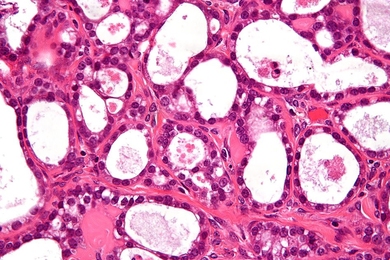
“Synthetic biomarkers” could be used to diagnose ovarian cancer months earlier than now possible.
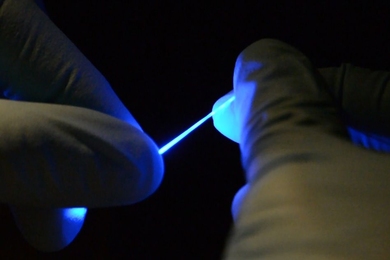
Rubbery, multifunctional fibers could be used to study spinal cord neurons and potentially restore function.
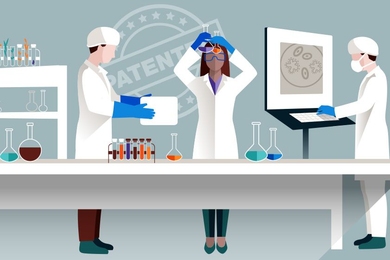
New research shows large spillover from the lab to commercial activity.

MIT vice president for research and chair of National Science Board testifies before Congress.
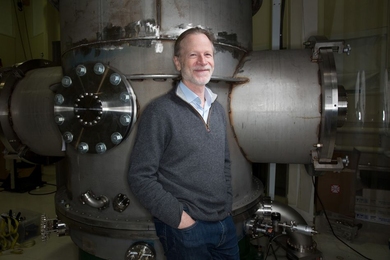
Senior MIT research scientist to speak for international collaboration for gravitational wave detection research.
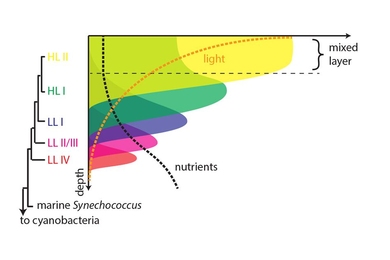
Ubiquitous marine organism has co-evolved with other microbes, promoting more complex ecosystems.

A simple statistical trick could help make a ubiquitous model of decision processes more accurate.
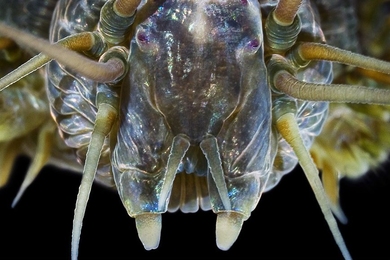
A bio-inspired gel material developed at MIT could help engineers control movements of soft robots.
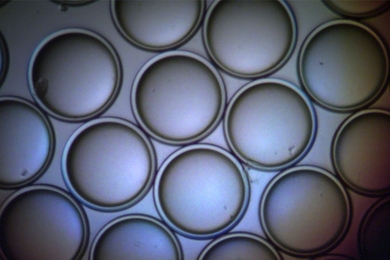
With chemistry and light, researchers can tune the focus of tiny beads of liquid.