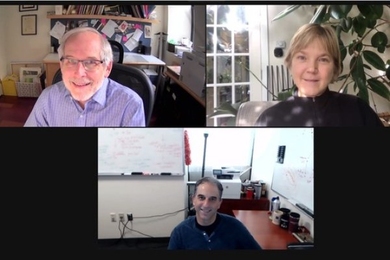
MIT launches Center for Multi-Cellular Engineered Living Systems
M-CELS are purpose-driven living systems with multiple interacting living components.
M-CELS are purpose-driven living systems with multiple interacting living components.
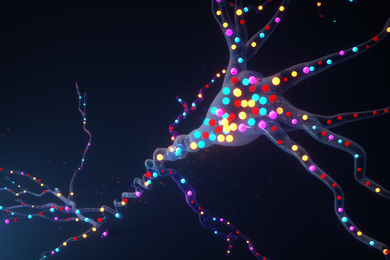
Fluorescent imaging technique simultaneously captures different signal types from multiple locations in a live cell.
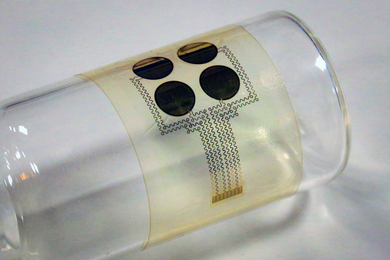
Researchers have designed a skin-like device that can measure small facial movements in patients who have lost the ability to speak.
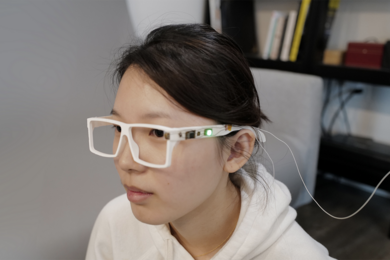
MorphSensor lets users digitally model an object’s form and electronic function in one integrated space.
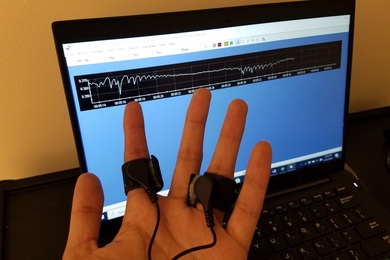
By accounting for sweat physiology, method can make better use of electrodermal activity for tracking subconscious changes in physical or emotional state.
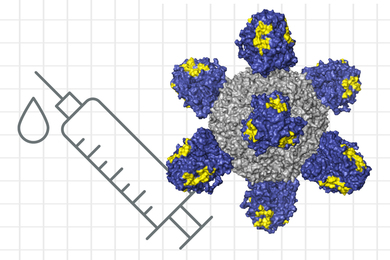
With computer models and lab experiments, researchers are working on a strategy for vaccines that could protect against any influenza virus.

Study suggests parts of the Sierra Nevadas formed in a “geologic instant,” more than twice as fast as previously thought.

A new NSF-funded project is developing a model to help manufacturers pivot and produce personal protective equipment.

Study suggests sea ice blocks the flow of carbon both into and out of the ocean, in roughly equal measure.

Funding will support workshops to advance research, development, and translation in emerging areas of socioresilient and sustainable infrastructure, and in ocean environments.
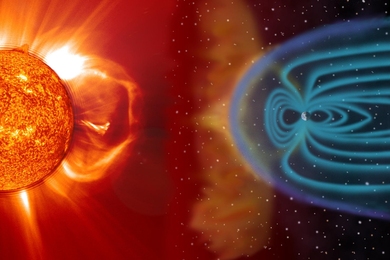
National Science Foundation awards proposal for space weather modeling.
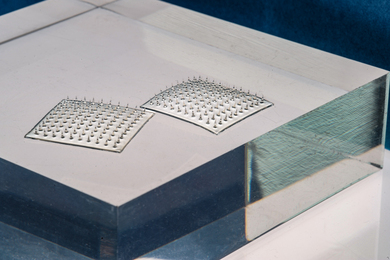
Color-changing array of silk microneedles could help stem outbreaks and avoid food waste.

The winners of an MIT competition to design a future, climate-ready Boston have landed an award to realize their vision.
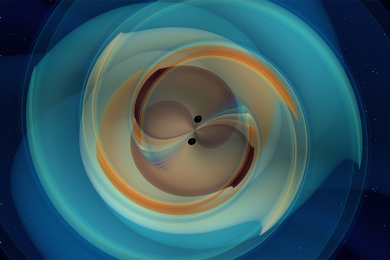
A binary black hole merger likely produced gravitational waves equal to the energy of eight suns.

Researchers suggest a novel process to explain the collision of a large black hole and a much smaller one.