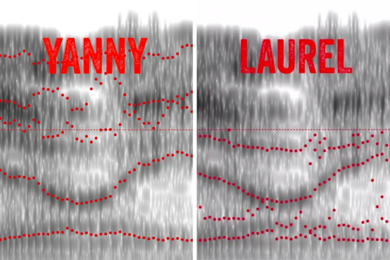
Featured video: The neuroscience behind "Yanny" vs. "Laurel"
MIT grad students explain why some people hear "Yanny" and others hear "Laurel" in the audio clip that's taken the world by storm.
MIT grad students explain why some people hear "Yanny" and others hear "Laurel" in the audio clip that's taken the world by storm.

MIT neuroscientist is recognized for her pioneering work on the complexity and function of the basal ganglia.
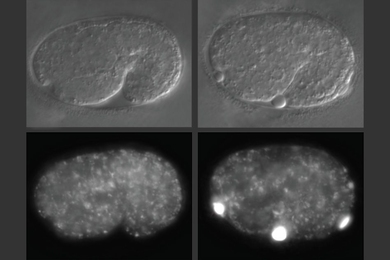
Study in worms reveals gene loss can lead to accumulation of waste products in cells.

Scientists pinpoint neural interactions that are necessary for observational learning.
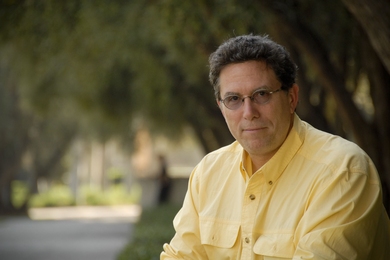
Neuroscientist honored for his work on the biology of neural stem cells and neural circuits that control emotional behaviors.
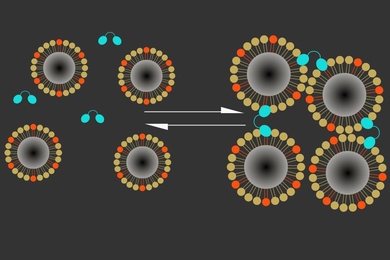
System detects direct signals of neural activity; could reveal patterns underlying behavior.
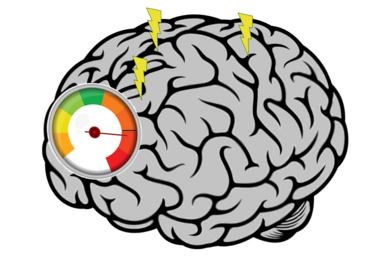
Picower Institute study explains what happens when working memory reaches its full capacity.
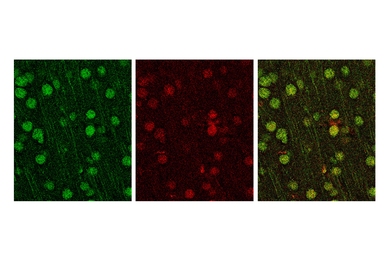
Study finds that major vault protein is needed for homeostatic plasticity.
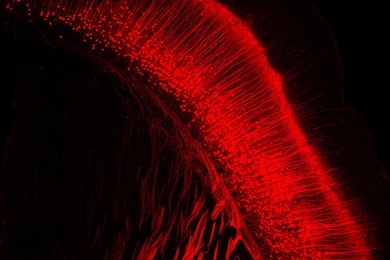
New technique is nontoxic to cells, should allow scientists to study neuron function for months or years instead of weeks.
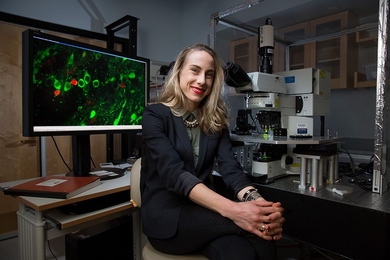
Polina Anikeeva explores ways to make neural probes that are compatible with delicate biological tissues.

Emery N. Brown explains how statistics and neuroscience improve anesthesiology at the American Association for the Advancement of Science's annual meeting.
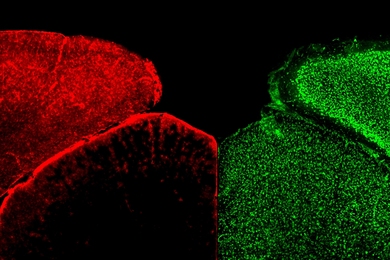
With a new grant, a Picower Institute team is studying the role of astrocytes, which may partner with neurons to process information in the brain.
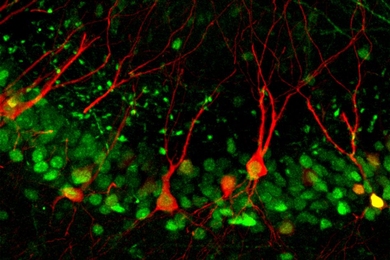
Neuroscientists discover a cellular pathway that encodes memories by strengthening specific synapses.
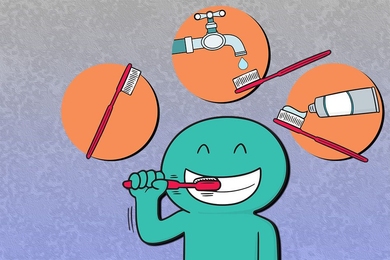
Study identifies neurons that fire at the beginning and end of a behavior as it becomes a habit.

MIT senior and Marshall Scholar Liang Zhou wants to elucidate the neural basis for our thoughts and intuitions.