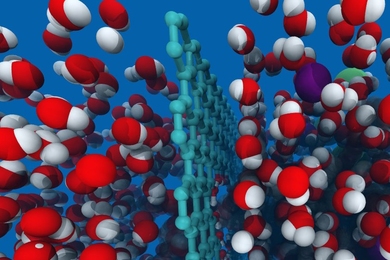
A new approach to water desalination
Graphene sheets with precisely controlled pores have potential to purify water more efficiently than existing methods.
Graphene sheets with precisely controlled pores have potential to purify water more efficiently than existing methods.
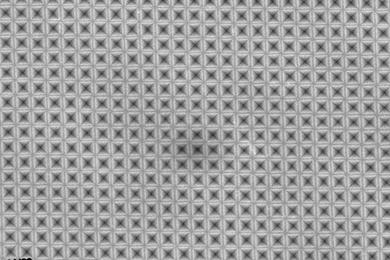
MIT team finds new approach to trapping light efficiently in thin-film silicon solar cells.
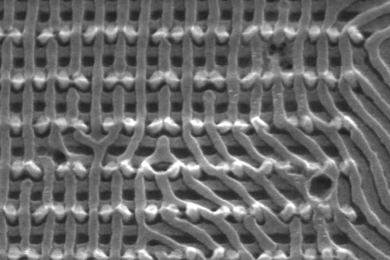
MIT researchers produce 3-D configurations that could lead to new microchips and other devices.
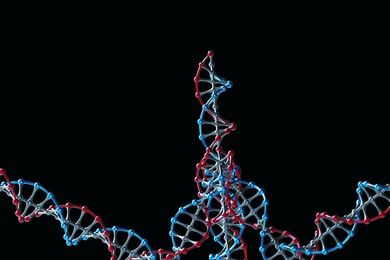
Pared-down nucleic acid nanoparticle poses less risk of side effects, offers better targeting.

Biennial prizes in astrophysics, nanoscience and neuroscience include a $1 million cash award in each field.

Jing Kong’s research focuses on how to make and control novel forms of thin-film carbon.

Materials science and engineering professor studies nanophotonics and electronics.
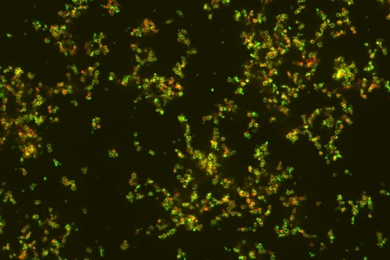
Engineers design nanoparticles that deliver high doses of antibiotics directly to bacteria.

New sensor can accurately measure fruits’ ripeness, helping prevent loss of produce from spoilage.

Thin films of bismuth-antimony have potential for new semiconductor chips, thermoelectric devices.
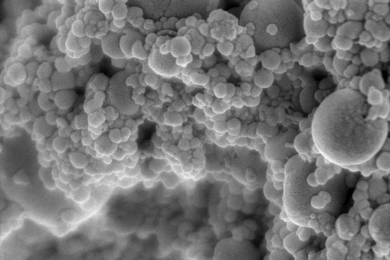
Nanoscale films developed at MIT promote bone growth, creating a stronger seal between implants and patients’ own bone.
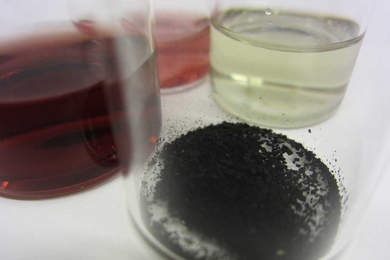
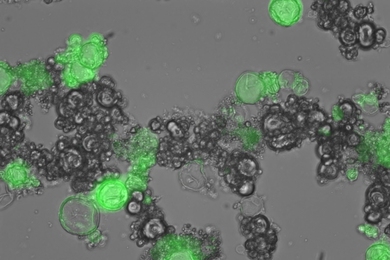
Tiny particles could manufacture cancer drugs at tumor sites.
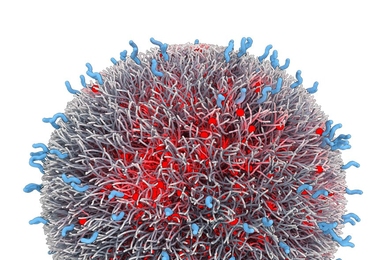
Tiny particles designed to home in on cancer cells achieve tumor shrinkage at lower doses than traditional chemotherapy.

10th anniversary of MIT Graduate Program in Science Writing celebrates past, looks to future.