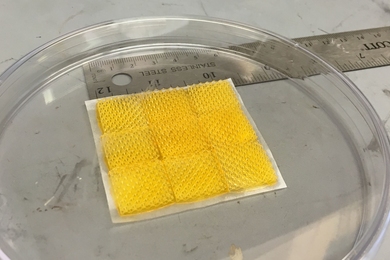
Transparent, flexible solar cells
Researchers develop a novel technique using graphene to create solar cells they can mount on surfaces ranging from glass to plastic to paper and tape.
Researchers develop a novel technique using graphene to create solar cells they can mount on surfaces ranging from glass to plastic to paper and tape.

Theoretical chemist Troy Van Voorhis probes big energy-related questions, scrutinizing electrons and chemical bonds to improve sustainable energy solutions.

MIT Energy Initiative Director of Research Francis O’Sullivan reflects on current trends in the utility industry, as well as potential solutions to current challenges.

Engineers and co-directors of MITEI's Energy Bioscience Low-Carbon Energy Center discuss their vision for transforming the energy system.
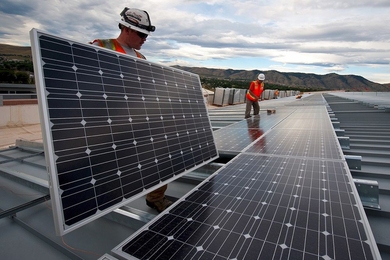
Analysis shows the design and framing of renewable energy policies can strengthen public support — or opposition.

Funding will establish MIT professorship and support low-carbon energy and climate initiatives.

Award-winning paper by Arun Singh shows how one of the world’s fastest-growing economies can expand its energy consumption while limiting emissions.
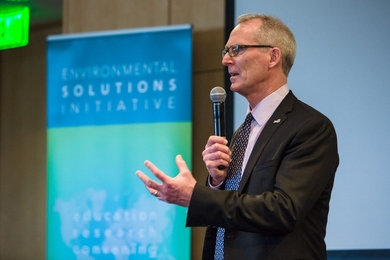
At MIT, former Congressman Bob Inglis speaks about climate and free enterprise.
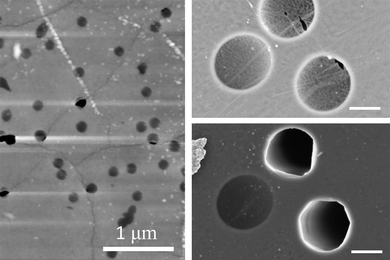
Used in filtration membranes, ultrathin material could help make desalination more productive.

Exelon Generation funding for the MIT Center for Advanced Nuclear Energy Systems could transform the performance of the fuel cladding in light water reactors.
Analysis shows system could economically bring fresh water and renewable energy storage to drought-stricken coastal regions worldwide.

ENN Group, one of China’s largest private energy companies, will join MITEI’s Center for Energy Storage Research.

“Mobility of the Future” study examines how developments in technology, fuel, infrastructure, policy, and consumer preference will drive transportation changes.

A trained scientist, Gurib-Fakim discusses ways of strengthening ties with Institute.