
Estimating suicide risk from text
A new language-processing tool could help identify the highest-risk individuals from natural language, enabling swifter interventions.
A new language-processing tool could help identify the highest-risk individuals from natural language, enabling swifter interventions.

They also found that obesity may put patients at higher risk for activation of the pathway. Drugs that block the pathway may help prevent metastasis.
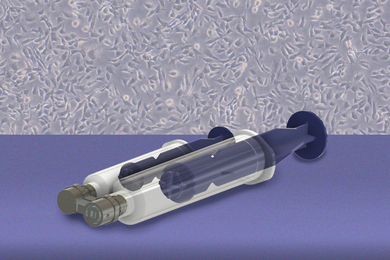
MIT researchers developed a handheld system that gently collects living cells from patient samples to aid cancer testing and development of personalized medicines.
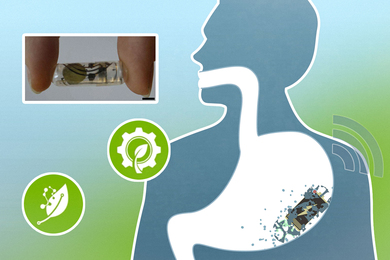
Made from “bioresorbable” materials, the new batteries could power capsules for drug delivery, sensing, and other applications.
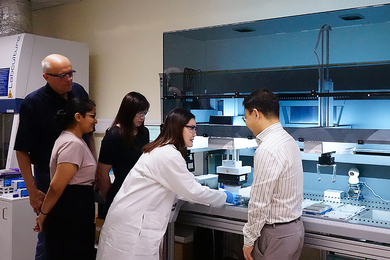
Novel research expands scientific understanding of how RNA shapes the reading of genetic information.
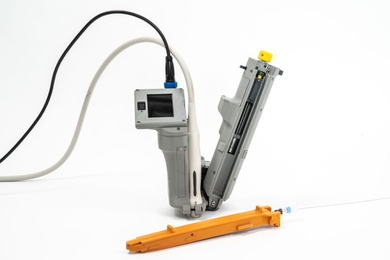
The handheld catheterization device AI-GUIDE, created by Lincoln Laboratory and Massachusetts General Hospital, promises improved health outcomes for injured service members and civilians.
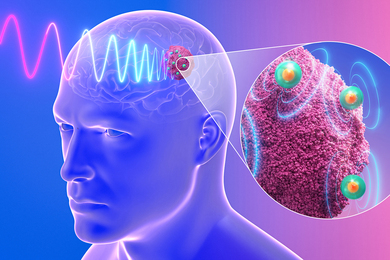
MIT researchers show implanted nanoantennas can be activated wirelessly to kill brain cancer cells without damage to healthy tissue.
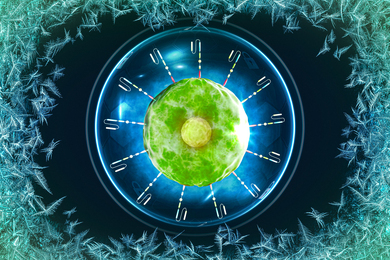
MIT researchers’ approach, which uses naturally occurring sugars as antifreeze, could make it easier for hospitals to deploy this type of cancer treatment.
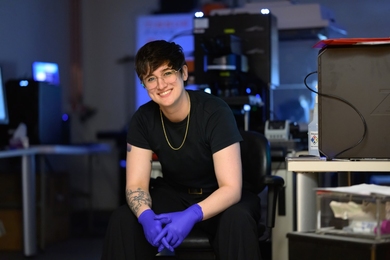
Shannon Knight, a brain and cognitive sciences PhD candidate and McGovern Institute researcher, focuses on developing a novel gene therapy.
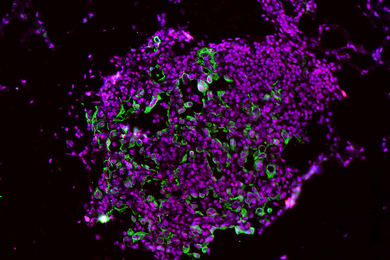
A new study by MIT researchers shows that inhibiting caspase-1 can reduce the risk of tumor growth.

A new short film from MIT Open Learning explores the influential career of Institute Professor and School of Engineering Dean Paula Hammond.
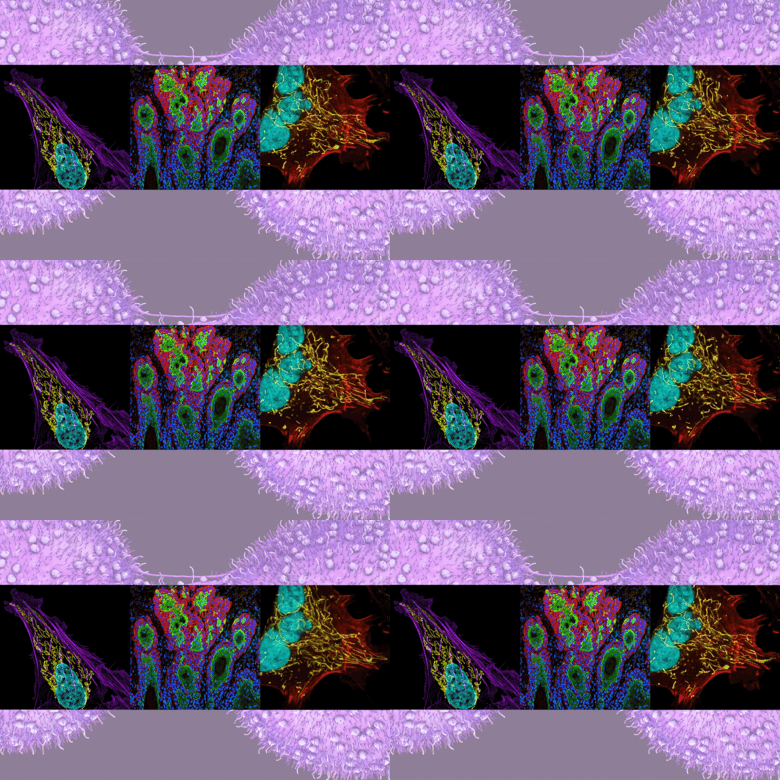
Derived from patient tumor samples and available to researchers around the world, the cells will aid the development of new cancer treatments.
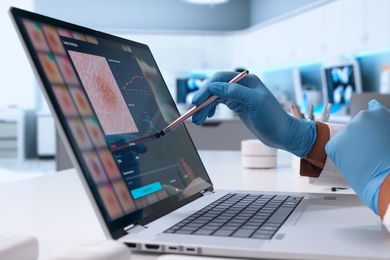
Study finds non-experts deferred to LLM-based diagnostic assistance, even when it was wrong, while clinicians caught AI errors.
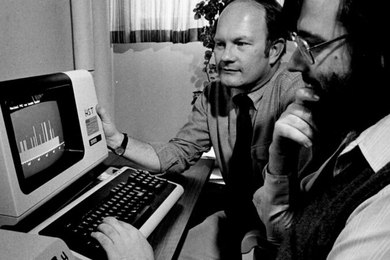
The visionary PhysioNet platform launched 25 years ago, based on a system developed at MIT in the 1970s. It has become one of the most comprehensive biomedical and clinical data repositories in existence.
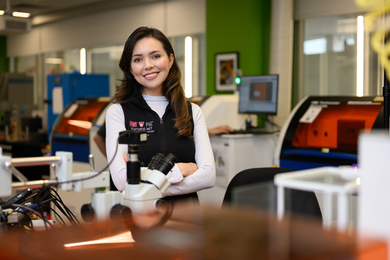
The PhD candidate builds soft bioelectronic technologies to decode signals between the brain and the rest of the body.