
In it for the long run
When Millie Dresselhaus won the prestigious Kavli Award last year, she put her money where her career has been.
When Millie Dresselhaus won the prestigious Kavli Award last year, she put her money where her career has been.
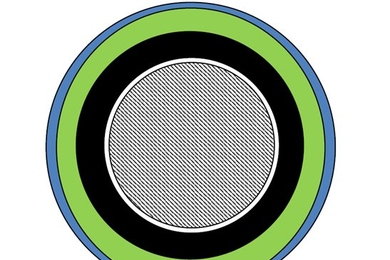
A substitute for traditional zircaloy could greatly reduce the danger of hydrogen explosions.
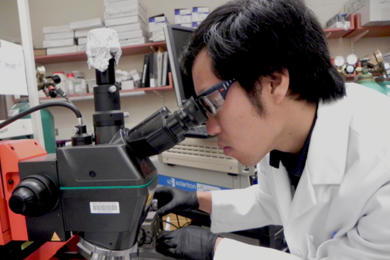

Understanding the properties that control surface dissipation of heat could lead to improved power plants and electronics with high heat-transfer rates.
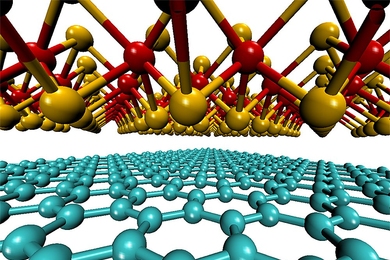
Atom-thick photovoltaic sheets could pack hundreds of times more power per weight than conventional solar cells.

Professor Eugene Fitzgerald and Andreas Wankerl reconceptualize the innovation process in new MOOC
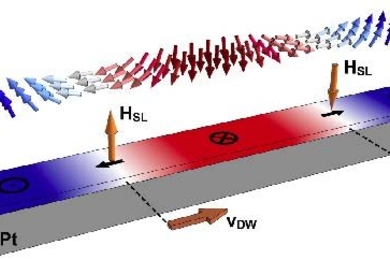
MIT researchers discover efficient control of magnetism in chiral ferromagnets.

MIT graduate student David Cohen-Tanugi works to improve water filtration, desalination.
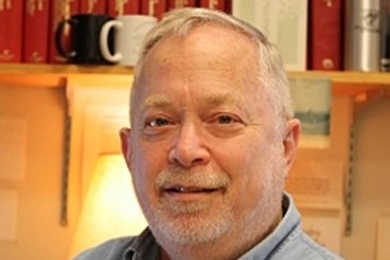
Ronald Ballinger named to Nuclear Regulatory Commission's Advisory Committee on Reactor Safeguards
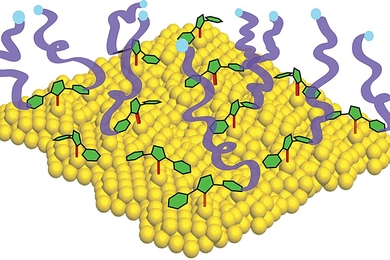
Method for attaching molecules to metal surfaces could find applications in medicine, electronics and other fields.

MIT researchers develop a new approach to controlling the motion of magnetic domains; work could lead to low-power computer memory.

MIT team finds that the ratio of component atoms is vital to performance.
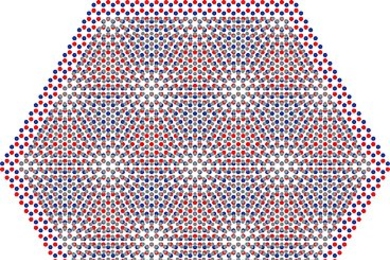
New experiments reveal previously unseen effects, could lead to new kinds of electronics and optical devices.
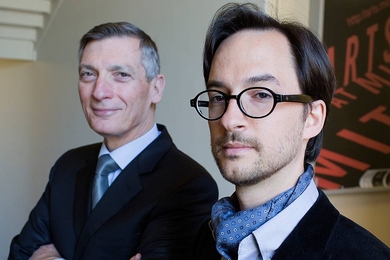
Steelmaking, a major emitter of climate-altering gases, could be transformed by a new process developed at MIT.