NIST awards $539,990 grant to photonics consortium
MIT Microphotonics Center joins iNEMI for 19-month project to develop technology road map.
MIT Microphotonics Center joins iNEMI for 19-month project to develop technology road map.

Antoine Allanore is developing molten copper sulfide electrolysis to improve purity and drastically reduce pollutants.
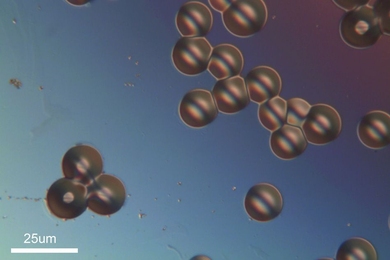
MRI sensor that enables long-term monitoring of oxygen levels could aid cancer diagnosis and treatment.

Technique developed at MIT reveals the motion of energy-carrying quasiparticles in solid material.

Globally important, chemically distinct lines of research promise easier access to potassium fertilizer, cleaner and purer metals.
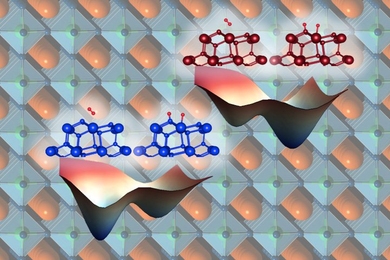
New field of "strain engineering" could open up areas of materials research with many potential applications.
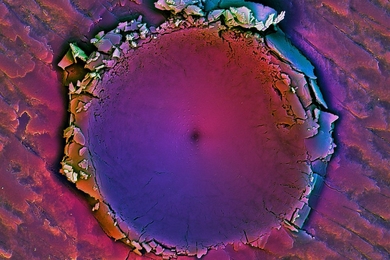
MIT researchers uncover the secrets behind a marine creature’s defensive armor — one that is exceptionally tough, yet optically clear.
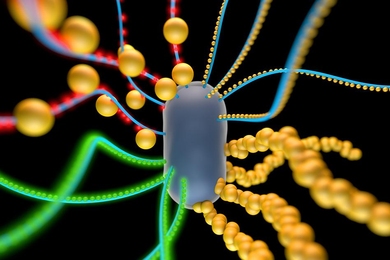
Hybrid materials combine bacterial cells with nonliving elements that can conduct electricity or emit light.
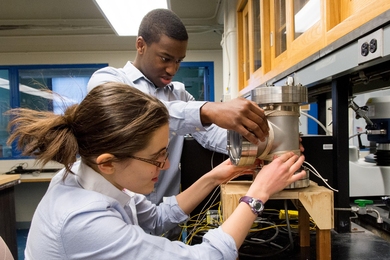

Institute’s programs rank first in 7 engineering, 5 science, and 3 business fields.
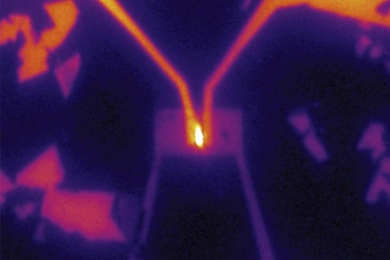
Team creates LEDs, photovoltaic cells, and light detectors using novel one-molecule-thick material.
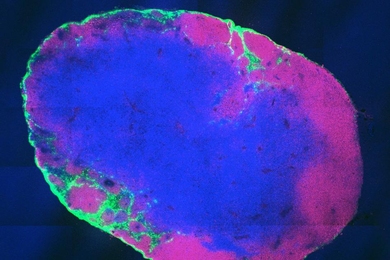
New MIT vaccines that catch a ride to immune cell depots could help fight cancer and HIV.
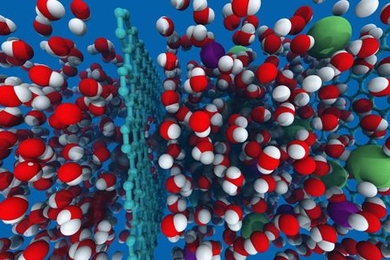
MIT researchers evaluate graphene’s potential for making desalination economically viable.