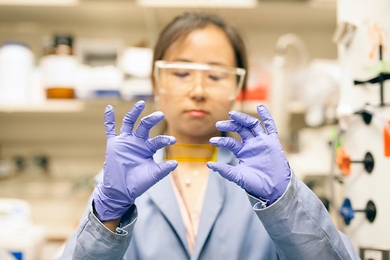
A new way to store thermal energy
MIT researchers create material for a chemical heat “battery” that could release its energy on demand.
MIT researchers create material for a chemical heat “battery” that could release its energy on demand.
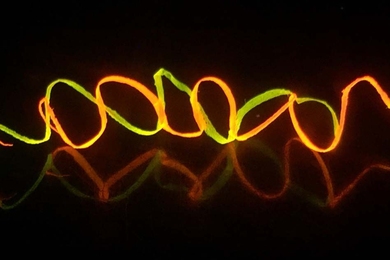
Reconstituted silk can be several times stronger than the natural fiber and made in different forms.
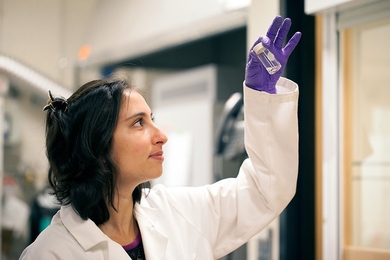
Condensation-based method developed at MIT could create stable nanoscale emulsions.
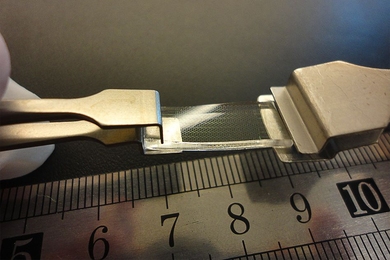
Light-based devices could be used as biomedical sensors or as flexible connectors for electronics.
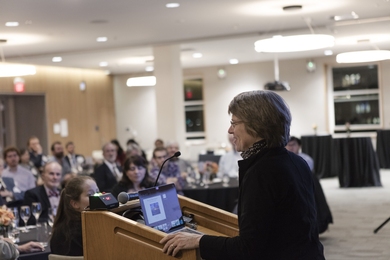
New Research Reception gives alumni and the community an inside look at research and initiatives in Department of Civil and Environmental Engineering.

System could pore through millions of research papers to extract “recipes” for producing materials.

Bringing together researchers from different science and engineering fields for Materials Day Symposium promises solutions to energy, health, and other needs.
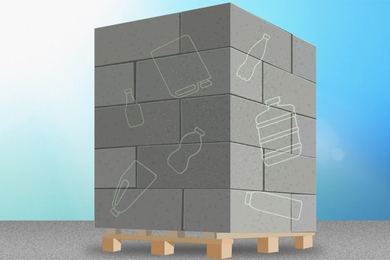
Adding bits of irradiated plastic water bottles could cut cement industry’s carbon emissions.
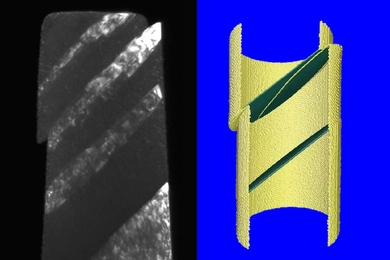
Materials with a special kind of boundary between crystal grains can deform in unexpected ways.
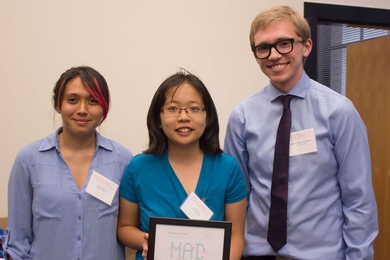
Teams developing materials solutions for ships and buildings split second and third prizes.
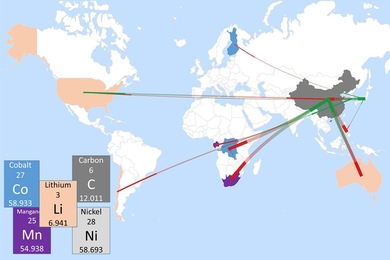
Rise of electric vehicles and grid storage may cause bottlenecks, but no showstoppers, analysis suggests.
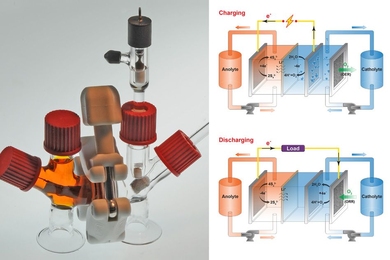
“Air-breathing” battery can store electricity for months, for about a fifth the cost of current technologies.

Materials Processing Center, Center for Materials Science and Engineering merger brings together formidable resources for advancing next-generation materials.
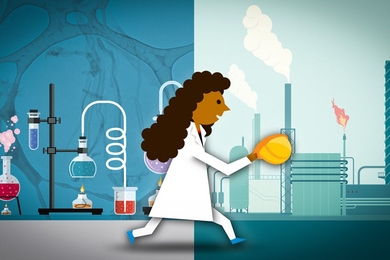
Project reveals benefits of communicating with industry when conducting research.
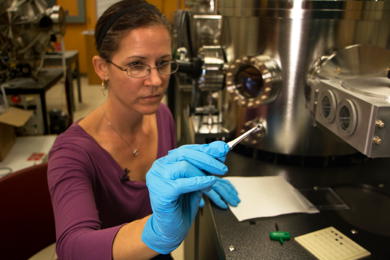
Summer Scholar Stephanie Bauman interns in Luqiao Liu lab synthesizing and testing manganese gallium samples for spintronic applications.