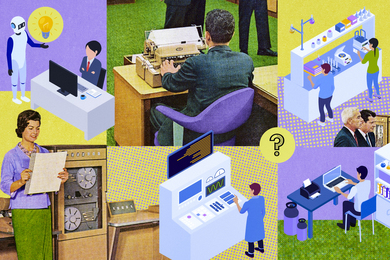
Technology usually creates jobs for young, skilled workers. Will AI do the same?
A new study of the postwar U.S. shows which kinds of workers historically filled new tech-enabled jobs.
A new study of the postwar U.S. shows which kinds of workers historically filled new tech-enabled jobs.
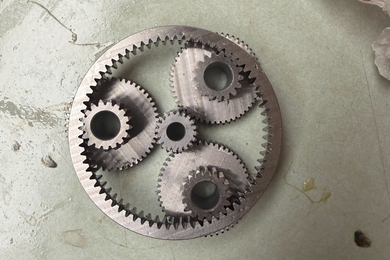
Ferrium C61 was designed with the aid of computers in a field pioneered at the Institute.
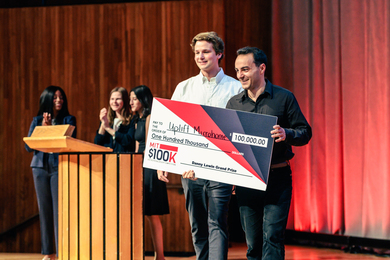
Uplift Microhome’s modular housing units can provide their own power and water, for faster deployments.
Students in a Department of Urban Studies and Planning course work with leaders from Vinnytsia, Ukraine, exploring innovation ecosystems, infrastructure, and workforce development amid constraints of war.
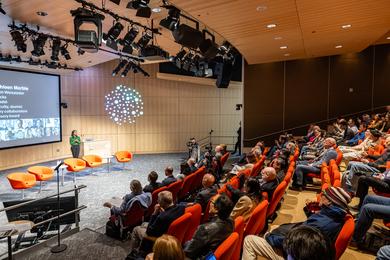
The MIT Marble Center for Cancer Nanomedicine looks back at 10 years of turning big ideas about nanotechnology into transformative advances for cancer patients.

Akorfa Dagadu, an MIT senior in chemical engineering, learns the importance of community-engaged research and innovation through the PKG Center for Social Impact.
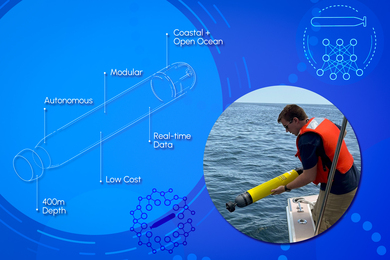
Founded by Ravi Pappu SM ’95, PhD ’01, Apeiron Labs is deploying low-cost ocean sensors to improve storm forecasts, detect endangered species, and more.
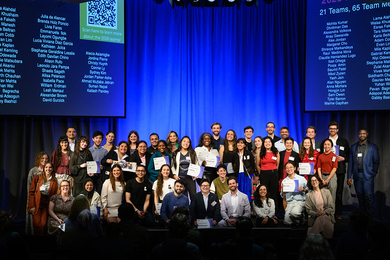
At the 25th IDEAS Social Innovation Incubator Showcase and Awards, 21 student-led ventures joined 1,200 alumni-led ventures tackling the world’s most pressing problems through social entrepreneurship.
Founded by Peter Godart ’15, SM ’19, PhD ’21, the company has developed technologies for extracting critical metals and making fuel out of aluminum.

Founded by Jake Donoghue PhD ’19 and former MIT researcher Jarrett Revels, the company is creating an AI-driven platform to help diagnose and treat disease.
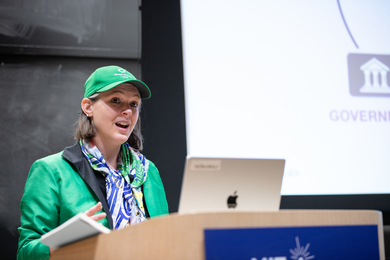
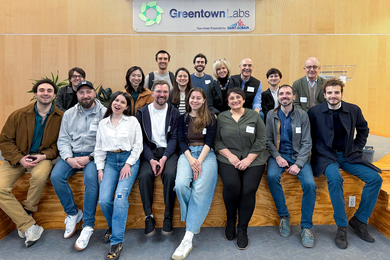
Greentown Labs CEO Georgina Campbell Flatter emphasizes the importance of collaboration in the entrepreneurship space, and the role that universities play in this landscape.
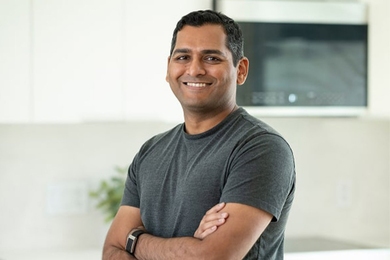
Reframe Systems, co-founded by Vikas Enti SM '20, creates microfactories for modular home construction, reducing carbon emissions and costs.
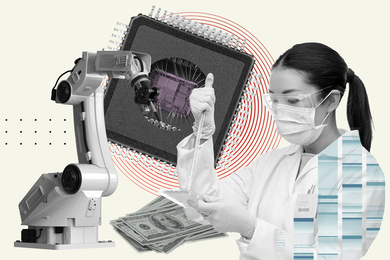
In “Priority Technologies,” MIT faculty examine key areas of innovation that can drive American prosperity and security — now and in the decades ahead.
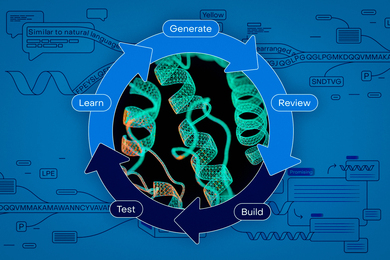
Founded by Tristan Bepler PhD ’20 and former MIT professor Tim Lu PhD ’07, OpenProtein.AI offers researchers open-source models and other tools for protein engineering.
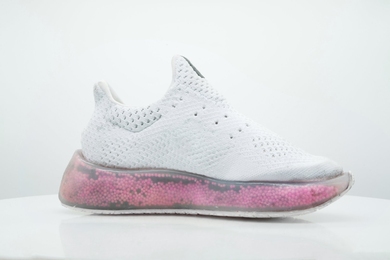
Associate Professor Skylar Tibbits discusses a new technology that uses granular convection to deliver individualized performance.