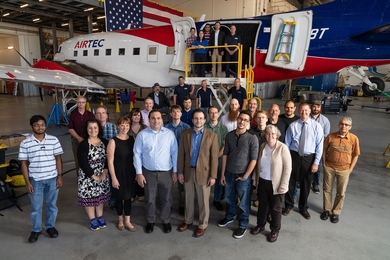
Using lidar to assess destruction in Puerto Rico
Lincoln Laboratory team's lidar data will allow FEMA to track further damage if another hurricane strikes the island.
Lincoln Laboratory team's lidar data will allow FEMA to track further damage if another hurricane strikes the island.
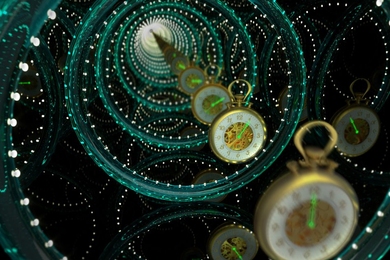
Technique can capture a scene at multiple depths with one shutter click — no zoom lens needed.
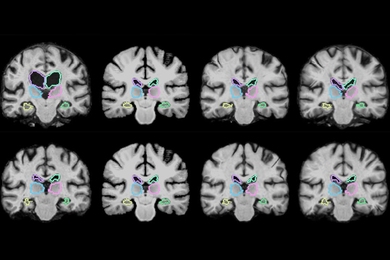
Algorithm makes the process of comparing 3-D scans up to 1,000 times faster.
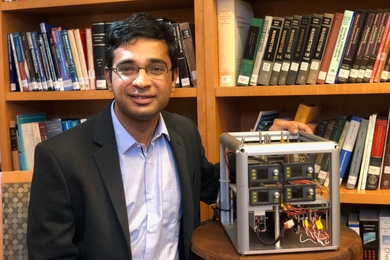
Using diamond dust and laser light to control atomic spin, Ashok Ajoy PhD ’16 pursues alternatives to costly conventional imaging technologies.
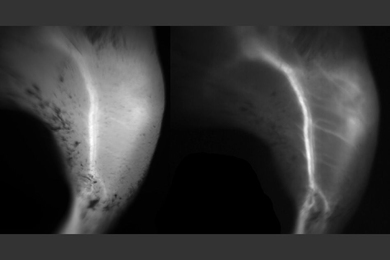
Technique could allow doctors and researchers to generate clearer images of blood vessels and other tissues.
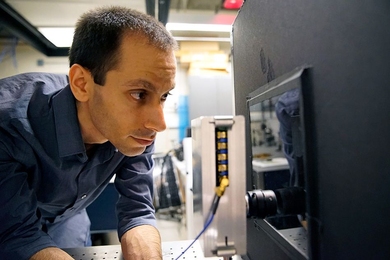
Computational photography could solve a problem that bedevils self-driving cars.
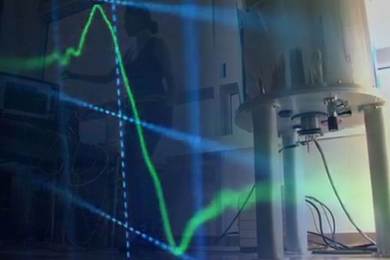
Advance holds promise for “wiring” of quantum computers and other systems, and opens new avenues for understanding basic workings of the quantum realm.
![According to Corban Swain, a first-year PhD student in biological engineering, a great headshot relies on fine facial details and angles of light: “Fifty-plus percent is just forming a connection with the person … just to break the tension. [Then there are] angular things, where you put the light, the shoulders, a head tilt. You know when photographers do that? They’re actually doing stuff!...](/sites/default/files/styles/term_page__news_article/public/images/201802/MIT-Profile-Swain.jpg?itok=9MTlBw20)
Photographer, poet, and PhD student in biological engineering Corban Swain pursues diverse interests with a keen eye.
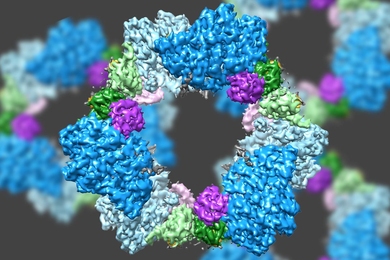
New finding suggests differences in how humans and bacteria control production of DNA’s building blocks.
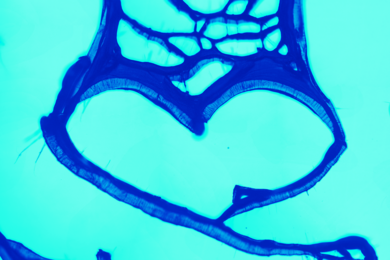
MIT researchers create predictable patterns from unpredictable carbon nanotubes.
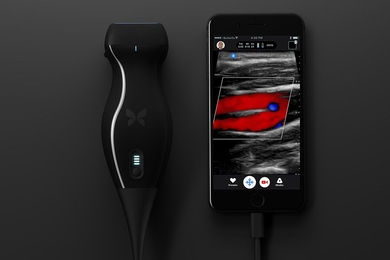
Startup’s low-cost, portable scanner generates clinical-quality ultrasounds on a smartphone.
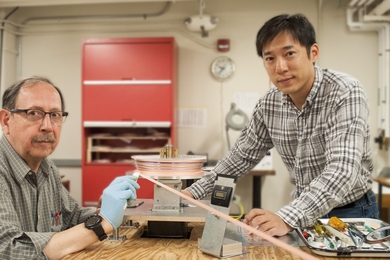
Francis Bitter Magnet Lab researcher continues a decades-long pursuit to create a revolutionary magnet for nuclear magnetic resolution spectroscopy.
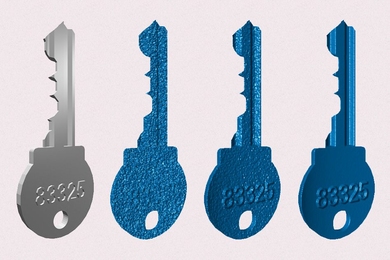
Computational method improves the resolution of time-of-flight depth sensors 1,000-fold.
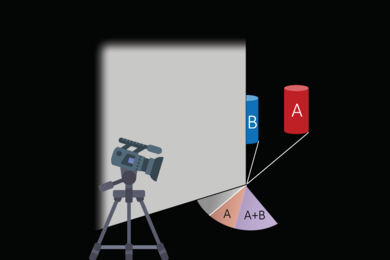
Using smartphone cameras, system for seeing around corners could help with self-driving cars and search-and-rescue.
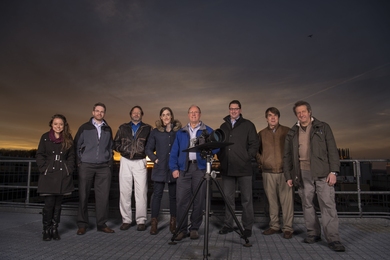
MIT Lincoln Laboratory team is working on ground-based cameras that detect sources of laser beam attacks on aircraft and may lessen dangers for pilots.