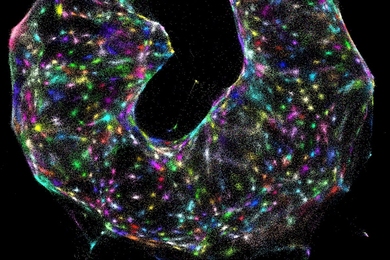
A chemical approach to imaging cells from the inside
Researchers develop a new microscopy system for creating maps of cells, using chemical reactions to encode spatial information.
Researchers develop a new microscopy system for creating maps of cells, using chemical reactions to encode spatial information.
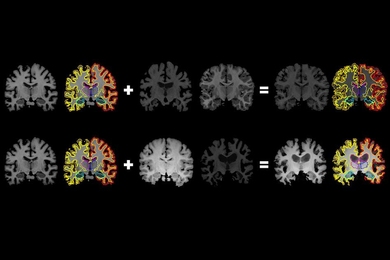
System helps machine-learning models glean training information for diagnosing and treating brain conditions.
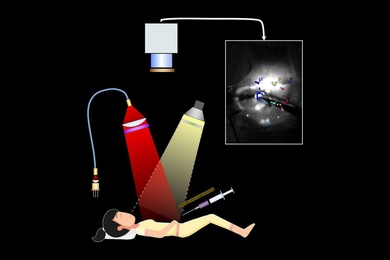
More effective surgery could boost survival rates for ovarian cancer.
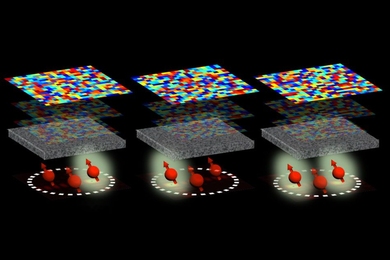
Approach developed by MIT engineers surmounts longstanding problem of light scattering within biological tissue and other complex materials.
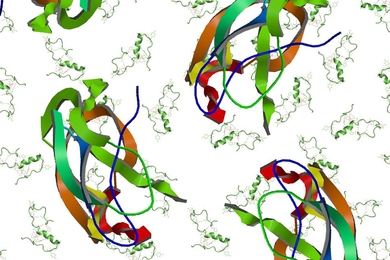
Technique could yield insights into complex proteins involved in Alzheimer’s and other diseases.
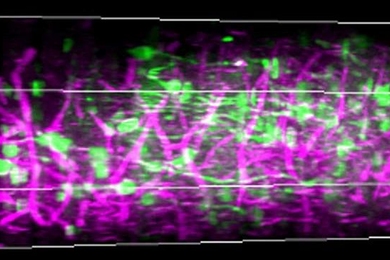
Substantial refinements of three-photon microscopy allow for novel discoveries in neuroscience.
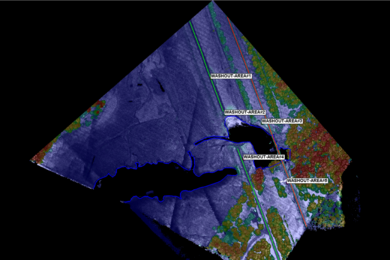
Lincoln Laboratory's lidar data, processed quickly with support from the organization MCNC, helped FEMA assess flooding and damages caused by Hurricane Florence.
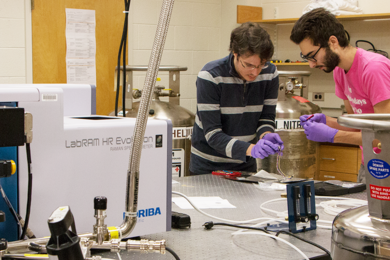
Riccardo Comin seeks to elucidate the microscopic physics of high-temperature superconducting devices to advance their technological applications.
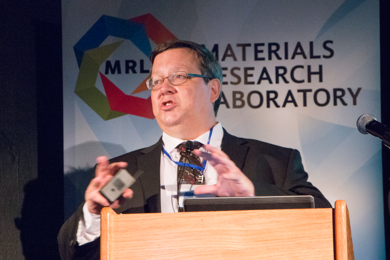
In MIT visit, BP chemist details new X-ray and sample chamber technologies, yielding insights into fighting metal corrosion, improving catalytic reactions, and more.
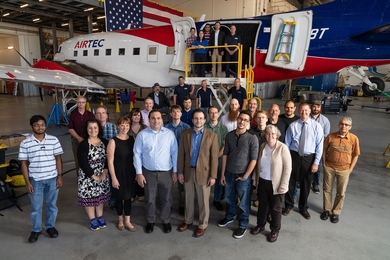
Lincoln Laboratory team's lidar data will allow FEMA to track further damage if another hurricane strikes the island.
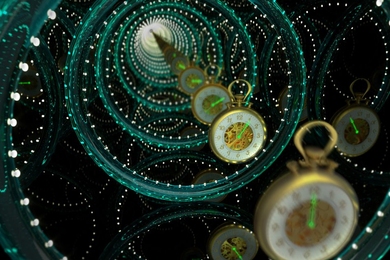
Technique can capture a scene at multiple depths with one shutter click — no zoom lens needed.
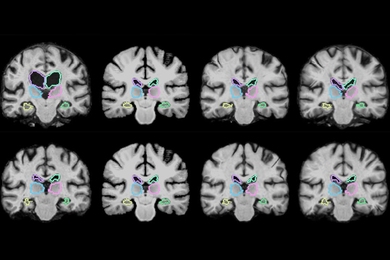
Algorithm makes the process of comparing 3-D scans up to 1,000 times faster.
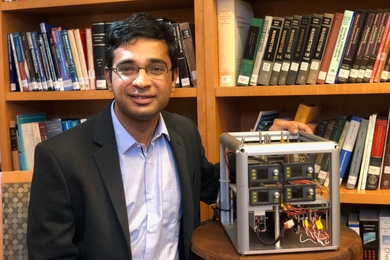
Using diamond dust and laser light to control atomic spin, Ashok Ajoy PhD ’16 pursues alternatives to costly conventional imaging technologies.
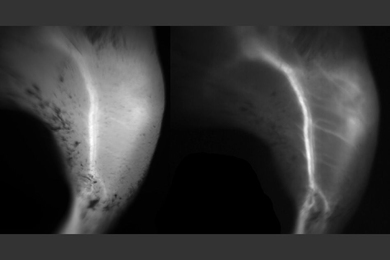
Technique could allow doctors and researchers to generate clearer images of blood vessels and other tissues.
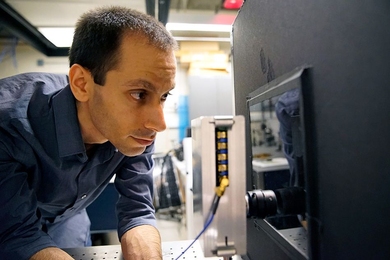
Computational photography could solve a problem that bedevils self-driving cars.