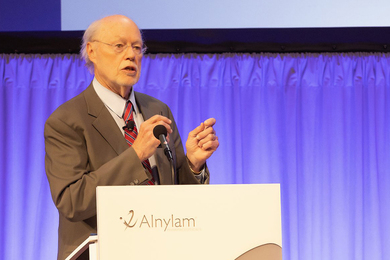
Phil Sharp-Alnylam Fund for Emerging Scientists to support MIT biology graduate students and faculty
Alnylam Pharmaceuticals establishes named fund in honor of its co-founder, an MIT Institute Professor and Nobel laureate.
Alnylam Pharmaceuticals establishes named fund in honor of its co-founder, an MIT Institute Professor and Nobel laureate.
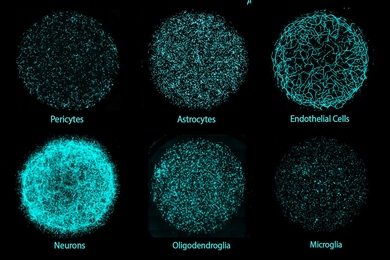
Cultured from induced pluripotent stem cells, “miBrains” integrate all major brain cell types and model brain structures, cellular interactions, activity, and pathological features.
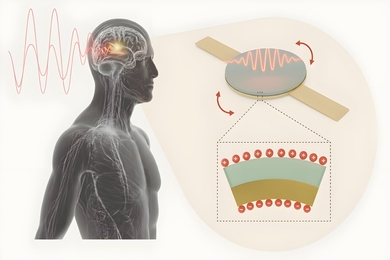
The technology would allow battery-free, minimally invasive, scalable bioelectronic implants such as pacemakers, neuromodulators, and body process monitors.
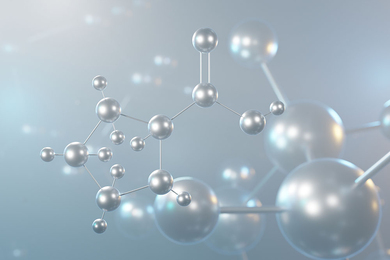
Adding amino acids to certain protein-based medications can improve stability and effectiveness. New MIT research demonstrates how it works.

Exercise is Medicine class integrates physical activity and academics.

A beloved member of the Department of Mechanical Engineering for nearly 60 years, Yannas helped save the lives of thousands of burn victims through his research and innovation.
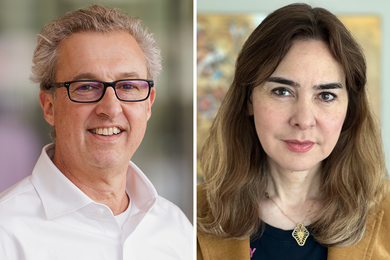
Professors Facundo Batista and Dina Katabi, along with three additional MIT alumni, are honored for their outstanding professional achievement and commitment to service.
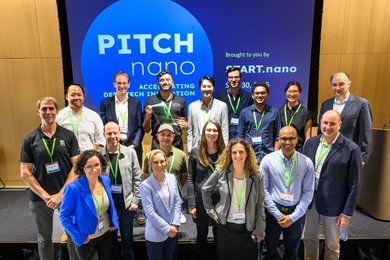
Twelve START.nano companies competed for the grand prize of nanoBucks to be used at MIT.nano’s facilities.
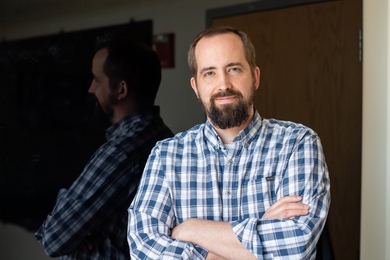
A leading researcher in protein folding biochemistry and next-generation protein engineering techniques will advance chemistry research and education.

MIT CSAIL and McMaster researchers used a generative AI model to reveal how a narrow-spectrum antibiotic attacks disease-causing bacteria, speeding up a process that normally takes years.
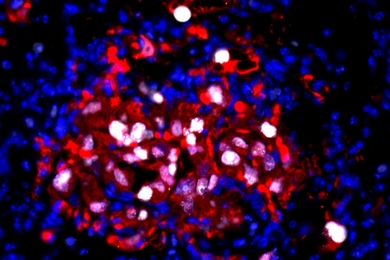
Chemotherapy-induced injury of organ tissue causes inflammation that awakens dormant cancer cells, which may cause new tumors to form.

The method enhances 3D bioprinting capabilities, accelerating process optimization for real-world applications in tissue engineering.

MIT CSAIL researchers developed a tool that can model the shape and movements of fetuses in 3D, potentially assisting doctors in finding abnormalities and making diagnoses.
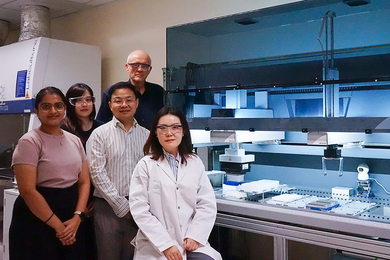
Advance from SMART will help to better identify disease markers and develop targeted therapies and personalized treatment for diseases such as cancer and antibiotic-resistant infection.

Professor Caroline Uhler discusses her work at the Schmidt Center, thorny problems in math, and the ongoing quest to understand some of the most complex interactions in biology.