MIT researchers seek to create tool to identify sources of foodborne illness outbreaks
Team receives two-year award from the Robert Wood Johnson Foundation
Team receives two-year award from the Robert Wood Johnson Foundation
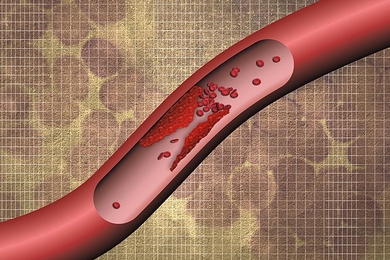
Simple urine test developed by MIT engineers uses nanotechnology to detect dangerous blood clotting.
With the grant, MIT’s Biomanufacturing Research Program aims to develop new technologies that can rapidly manufacture biologic drugs on the battlefield.
Stephanie Seneff is using the novel natural language processing techniques she developed to better understand how drugs and environmental toxins impact human health.
The future of biomedical innovation depends in part on learning from the trend for all players to work together for the common goal, say two MIT researchers.

New MIT study finds vehicle emissions are the biggest contributor to these premature deaths.

An algorithm that can accurately gauge heart rate by measuring tiny head movements in video data could ultimately help diagnose cardiac disease.
Research could help prevent millions of people from becoming infected with the next pandemic flu
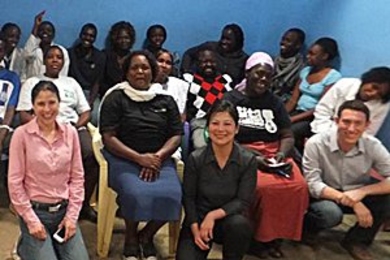
Students in Global Health Delivery Lab course help deliver health care to resource-limited areas in sub-Saharan Africa and South Asia
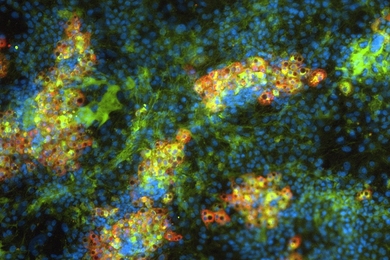
Researchers identify compounds that help liver cells grow outside the body.
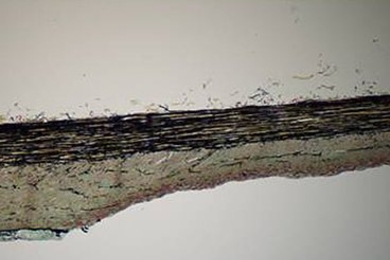
Computational model offers insight into mechanisms of drug-coated balloons.
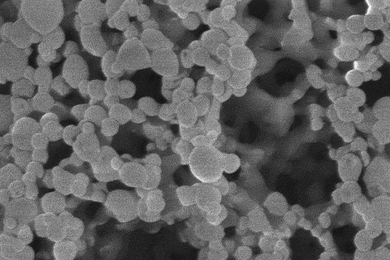
Injectable nanogel can monitor blood-sugar levels and secrete insulin when needed.

Study: Health insurance helps lower-income Americans avoid depression, diabetes, major financial shocks.
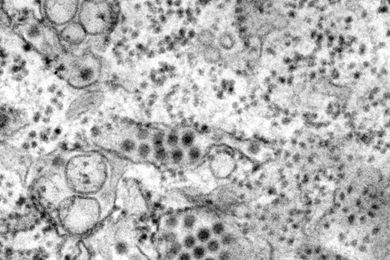
MIT team presents a novel approach to developing a treatment using mutated antibodies.