
Trust or consequences
More than 100 experts identify four scenarios that could shape people’s health between now and 2040.
More than 100 experts identify four scenarios that could shape people’s health between now and 2040.
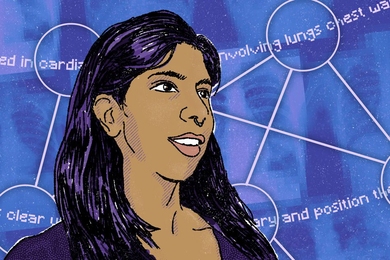
PhD student Geeticka Chauhan draws on her experiences as an international student to strengthen the bonds of her MIT community.
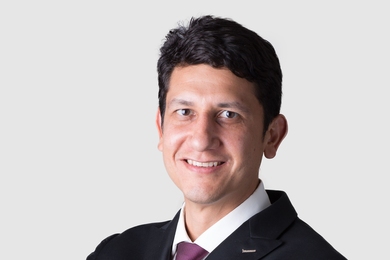
Erwin Franz's experiences with MIT System Design and Management had a major effect on his work with the rapid response team at Philips Respironics.
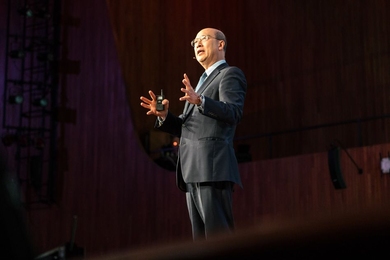
Study: Vaccines find more success in development than any other kind of drug, but have been relatively neglected in recent decades.
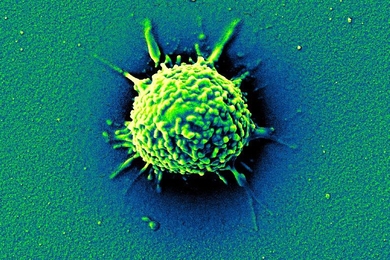
The MIT-IBM Watson AI Lab is funding 10 research projects aimed at addressing the health and economic consequences of the pandemic.
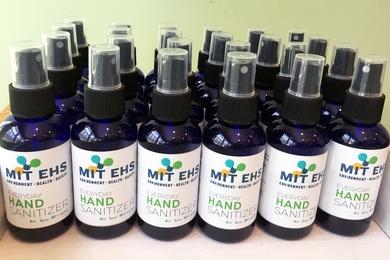
MIT Environment, Health and Safety Office responds to national shortage by producing, testing, and distributing its own product for the MIT community.
Paper co-authored by MIT economist proposes a new way to handle medical shortages during the Covid-19 crisis.
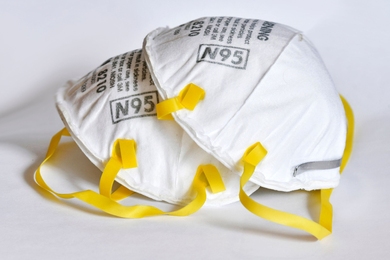
Lincoln Laboratory joins MIT and others in testing N95 and similar, imported respirator masks to check how well they keep out particles and blood.
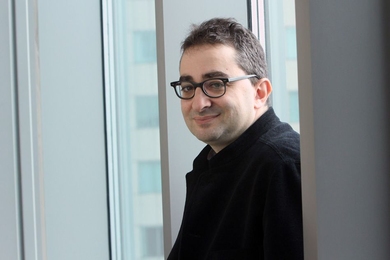
MIT economist Pierre Azoulay outlines a roadmap for scientific success against the virus.
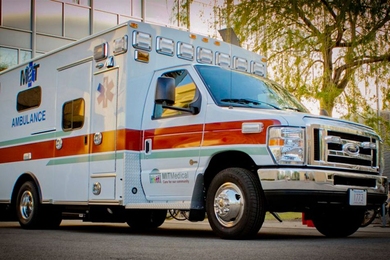
“We volunteered because we thought it would be a great opportunity to give back to the MIT community in a time of necessity,” says Nathan Han.
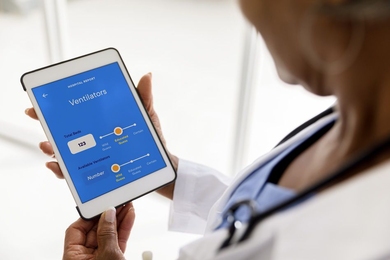
Based on crowdsourced data, app helps patients, EMTs, and physicians determine real-time availability of hospital resources.
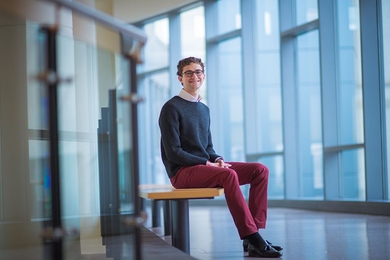
“Operations in practice are very messy, but I think that’s what makes them exciting,” says graduate student Jean Pauphilet.
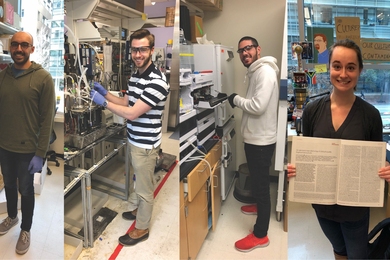
Manufacturability is key to producing a widely available, affordable vaccine.
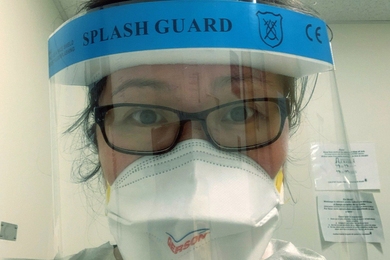
Neurologist and researcher Diane Chan pitches in to help New England get through tough times.
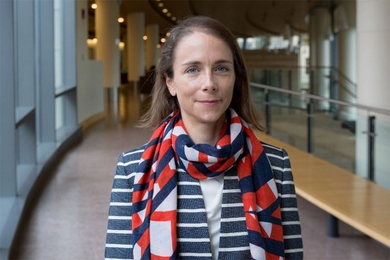
The group is working to increase availability of personal protective equipment during the pandemic.